
Rallies and Musical Numbers: Hairspray Unpacks Racism in The 1960s
The multifaceted musical represents America in the 1960s and the battle against bigotry as an ensemble cast portrays how to fight for the limelight.
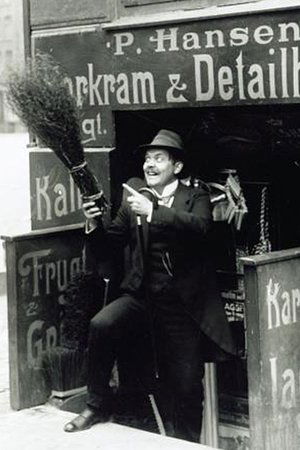


Mr Mikkelsen, a merchant, is out on the town with his friends, enjoying a drink or five. At one point he spills soda all over the place, trying to remedy matters by drying off the tavern’s stove with his handkerchief. Being more than a little tipsy, he then proceeds to wipe his face with the sooty cloth. Stumbling home, he throws himself into bed, much to the horror of his wife, who mistakes him for the chimney sweep. (Stumfilm.dk)
The multifaceted musical represents America in the 1960s and the battle against bigotry as an ensemble cast portrays how to fight for the limelight.
"His Girl Friday" set the bar for romcoms and gave us a feminist heroine before feminism was cool.
A group of criminal animals tries their best to reform themselves into good citizens to avoid serving time in prison.
Disney+'s The Falcon and the Winter Soldier is over, but that doesn’t mean discussion about it has stopped. One of the most controversial characters on the show that’s still stirring up discourse is John Walker. Many have debated his morality online: Is he a hero, a villain, an anti-hero?
Netflix’s Shadow and Bone has a complicated relationship with race. It has a diverse cast, but not without its problems. Based on Leigh Bardugo’s two book series, the show features characters from the Shadow and Bone trilogy, which is very straight and white, and the Six of Crows duology, which is much more diverse. When bringing together a cast and writing about these characters, the team behind the show expanded upon some of the representation missing from the first trilogy, then seemed to take away representation from the duology. Shadow and Bone seems to play a bit of a push and pull game when it comes to portraying diversity onscreen.