












Time To Get Critical About Representation in “Shameless”
A decade since it aired, Shameless (U.S.) has always stuck to its guns (and baseball bats) about character diversity.
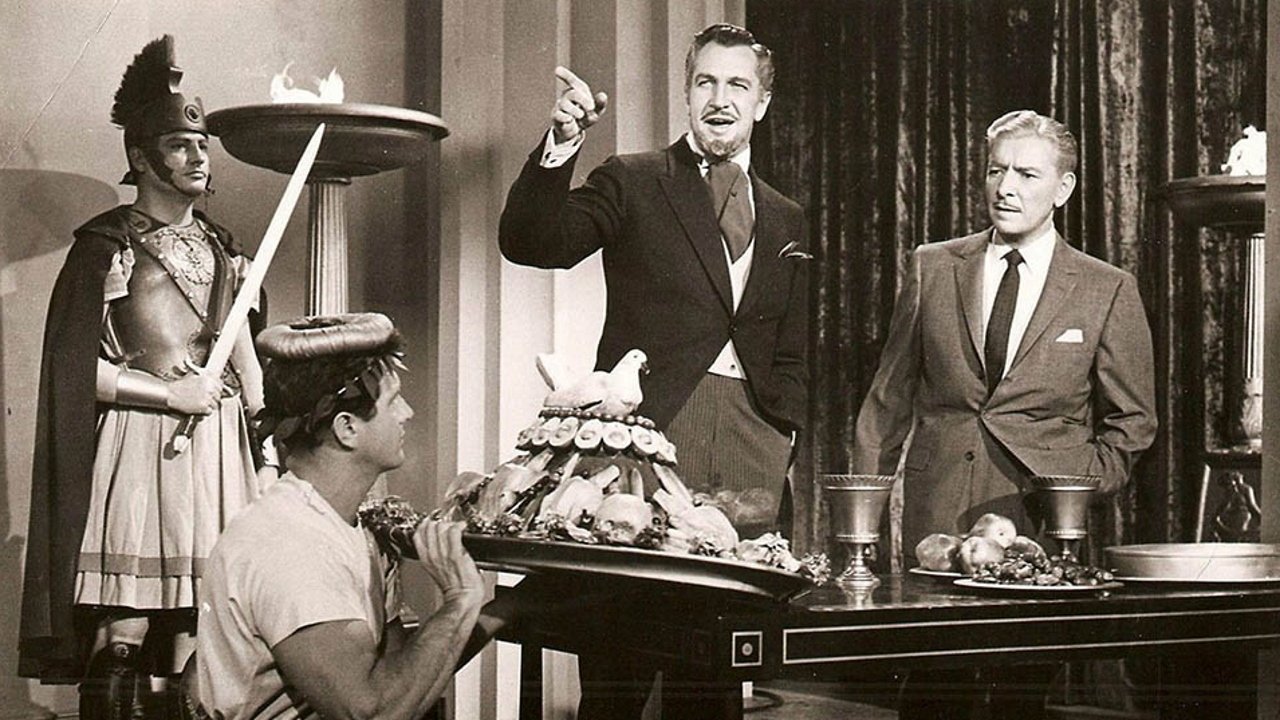



The devil and the spirit of mankind argue as to whether or not humanity is ultimately good or evil.
A decade since it aired, Shameless (U.S.) has always stuck to its guns (and baseball bats) about character diversity.
The Sandman features a plethora of LGBTQ+ characters and is openly expressive about it!
Sonic is a pretty generic buddy comedy with a light dusting of eccentricity.
The second episode of the highly anticipated Afrofuturism series delivers with a high-speed race teaching us to go far beyond just accepting ourselves.
Could you use some hearty laughs? Then you’re in the right place! Enjoy this selection of diverse international comedies.