







The End of “The End of Oak Street” is Oak Street
An attempt to capture nostalgia that unfortunately just doesn’t work

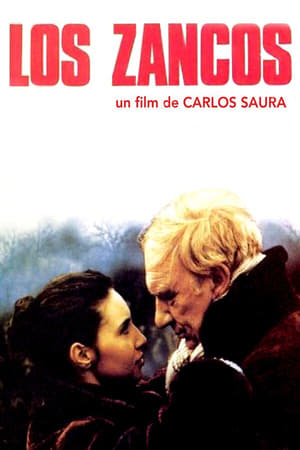


After the death of his wife, Angel, a university professor and writer, he falls into a severe depression. He flees to his house in the country, but there the evil is accentuated, which leads him to an attempted suicide that Teresa, his young neighbor, saves him. Angel starts a relationship with her and her partner, Alberto. Soon he falls in love with Teresa and, through a passionate relationship, he frees himself from his torments. Teresa, Alberto and her theater group on stilts ask her to write a play to represent her in the town. Obsessed by Teresa, she is vivified with this experience with the young, but she soon moves away from him carnally. This rupture desperate and as Teresa disabuses him of any possibility of continuity, in the mind of Angel reappears suicide as the only solution
An attempt to capture nostalgia that unfortunately just doesn’t work
This is not a story of oppression but a story of liberation.
At 2:17 a.m., every child in a third-grade class wakes up, leaves their home, and disappears into the darkness—except one. The next day, teacher Justine Gandy discovers that Alex Lily is the only student left, while the rest have vanished without a trace. Did Justine have something to do with it, or is a far more sinister force stalking the town, targeting not just children, but anyone in its path?
It’s the most loving tribute to cinema and to Ingmar Bergman, set in world that feels so habitable that I felt like only re-watching this for eternity, because of how inviting it looks and feels.
Celebrate Pride with these movies and TV shows available on popular streaming services. (Good news: a lot of them are available for free.)
Billy Eichner provides a hearty dose of good old fashioned romance with a lot of laughs