
The Spirit of '45
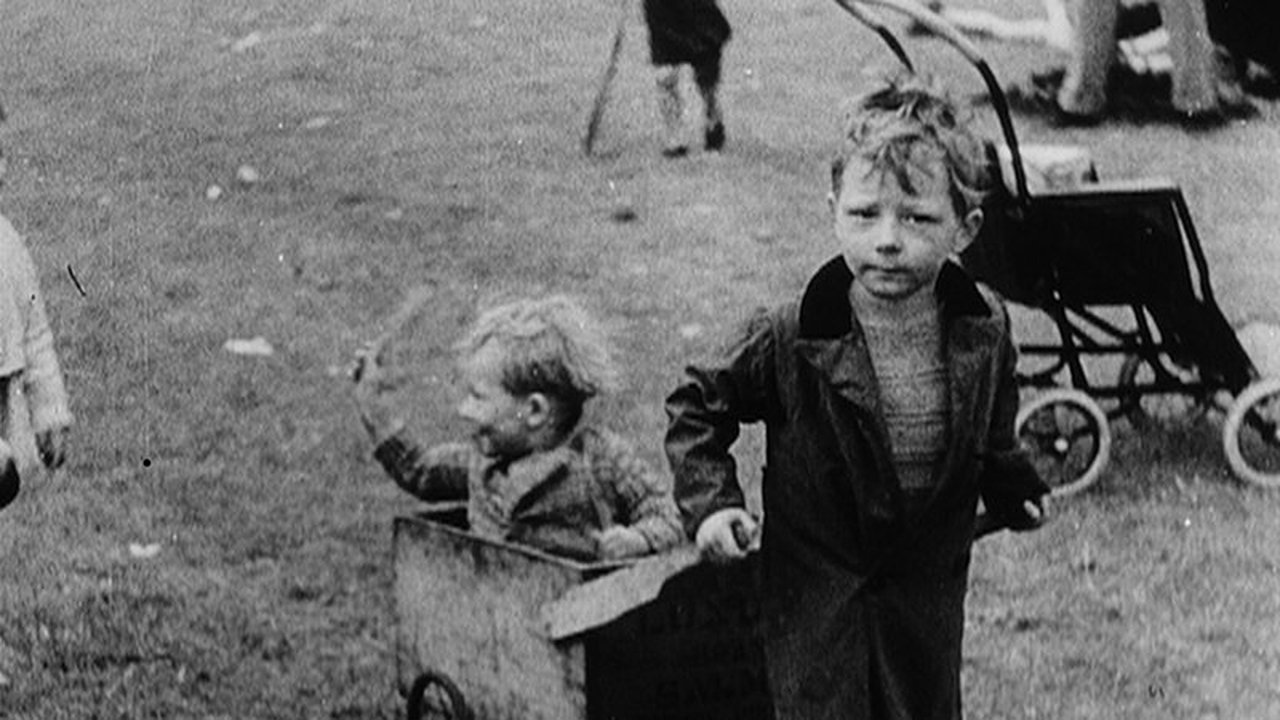
In an age marked both by austerity and post-war optimism, the Labour Party (1945–1951) creates the welfare state, nationalises many business sectors and creates a fairer society for all. However, as Margaret Thatcher rises to power in 1979, virtually all of Clement Attlee's innovations are dismantled by successive governments.

- / 5
PopScore
Representation
Pictures and Videos

Movie Information
In an age marked both by austerity and post-war optimism, the Labour Party (1945–1951) creates the welfare state, nationalises many business sectors and creates a fairer society for all. However, as Margaret Thatcher rises to power in 1979, virtually all of Clement Attlee's innovations are dismantled by successive governments.
Rating:
Genre:Documentary, History
Written By:Ken Loach
In Theaters:
Box Office:$488,854
Runtime:94 minutes
Studio:Sixteen Films, Fly Film, Film4 Productions




Articles You May Like
'The Half of it' Handles its Presented Social Issues Thoughtfully
The social issues The Half of it takes on are handled well, between the antagonization brought on to Ellie for her race and the conflict that arises from her being gay. Both aspects of her character are built up over the course of the film and don’t seem abrupt or rushed. The film shows racism towards Ellie and her and father in varying levels, from having her schoolmates specifically address her as "Chinese girl” to the fore mentioned way her Dad is treated due to language barriers. The same can be said about Ellie being a lesbian. While she never truly “comes out” in the narrative, that does not undermine her journey of self-discovery from being meaningful. These ideas aren’t thrust upon the viewer in a preachy manor, the scenarios that occur feel believable given the rural setting. The film presents watchers with problems whom those like Ellie may face, and leaves us to sit with them and reflect.
“Sea Fever” Examines the Emotional Cost of Quarantine
While doing research on a fishing boat, a scientist encounters a parasite.
"The Hidden Side of the Moon" is an Exploration of One Father-Son Relationship
Prajdnik Awasthi’s film uses a mix of metaphor and more grounded details to tell the story of childhood sexual abuse that caused the narrator to close himself off from his father.
The Drama: A Marriage of Discomfort and Empathy
This is not a film, it’s a drop tower. A drop tower that you don’t get off of for the vast majority of its 106-minute runtime.
Terminator: Dark Fate - Empowering Women, but a Disappointing Sequel in Arc
Overall, “Dark Fate” is a run-of-the-mill flick. Together, Reyes and Davis have excellent chemistry, but their characters’ story is nothing new, lacking surprise and deep emotion. During the middle points, the film drags considerably, and when the action hits, it feels consistently tight, eliminating the rhythm and fluidity of conflicts.