









Mortal Kombat: Scorpion’s Revenge Gives Fans a Gory Good Time
Ever since the mid-’90s, the Mortal Kombat game franchise has seen multiple attempts to make it on the big screen, or at least adapted into other media.
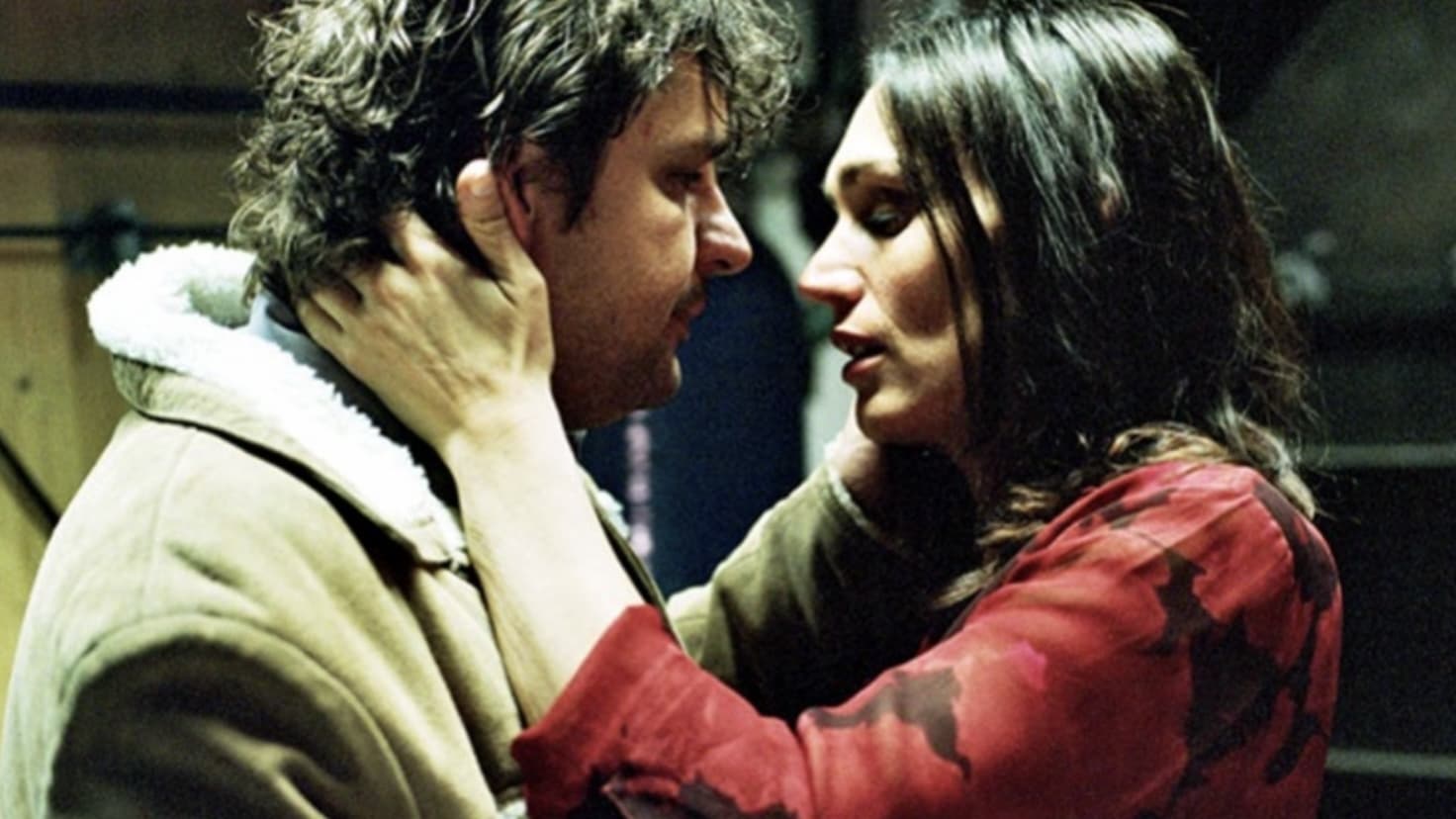
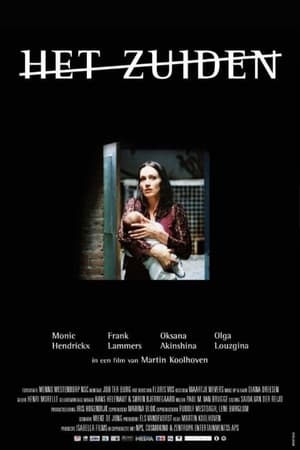


Martje is the manager of a successful laundry service, but in her personal life she struggles with her self-image after the amputation of one of her breasts. After she is humiliated when Loe, one of her employees, is startled by the discovery of her prosthesis during foreplay, she imprisons him in the laundry plant. As Loe is slowly dying in imprisonment, Martje loses contact with reality and starts imagining having a family with him.
Ever since the mid-’90s, the Mortal Kombat game franchise has seen multiple attempts to make it on the big screen, or at least adapted into other media.
In the spirit of Halloween, here's a list of body horror films which can be interpreted as trans allegories.
In all honesty, “Black and Blue” is a satisfying experience, complete with solid craftsmanship. With the help of cinematographer Dante Spinotti, Deon Taylor (the director) creates a murky, lived in atmosphere.
But what many do not know is that in 2019, a Wonder Woman film was released that had all of the positive qualities of WW84, and remedied many of the negative ones. Wonder Woman: Bloodlines, a direct-to-video animated movie in the DC Animated Movie Universe, perfectly balances the campiness and seriousness of the character.
The makings of a great midseason filler episode that would connect in many different directions. This is a police drama filler with a guest director.
With The Father, writer-director Florian Zeller- who wrote and developed the play upon which the film is based- pulls no punches as he confidently makes every effort to put the audience in the mind of someone whose grip on reality has all but vanished. It’s a dazzling testament to Zeller’s abilities as a director as he makes his first transition from stage to film appear as if he’s been working behind a camera his entire career. The dialogue he fashions with co-writer Christopher Hampton, along with the work of production designers Peter Francis and Cathy Featherstone, collectively makes the downward spiral of dementia startlingly tangible, doing so in a way that can be comprehended by everyone except the person it directly affects.