The Gloriously Unapologetic Queerness of The Sandman
The Sandman features a plethora of LGBTQ+ characters and is openly expressive about it!
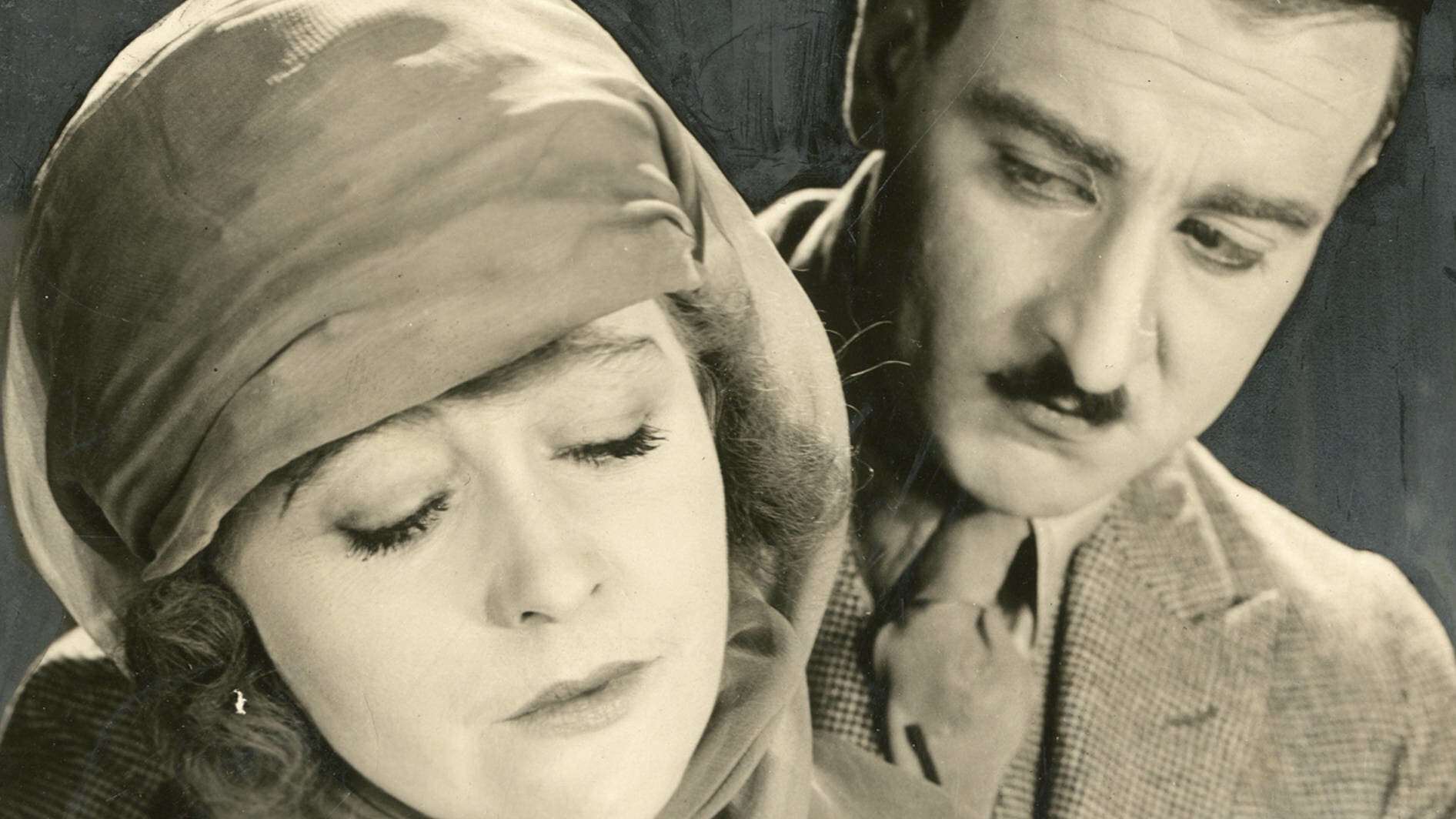
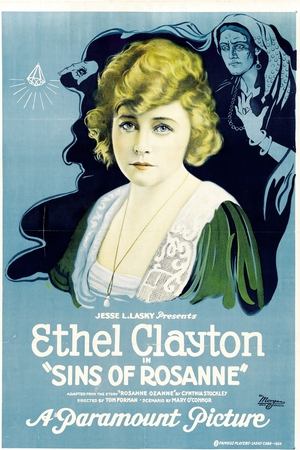


Roseanne (Ethel Clayton) has grown up near some diamond mines in South Africa. As a child, she became ill and a Malay nurse, Rachel Bangat (Fontaine La Rue) promised to cure her. That she did, but she also worked some voodoo on the child, who, as a grown up now displays a powerful desire for diamonds and the ability to throw evil curses on those who displease her.
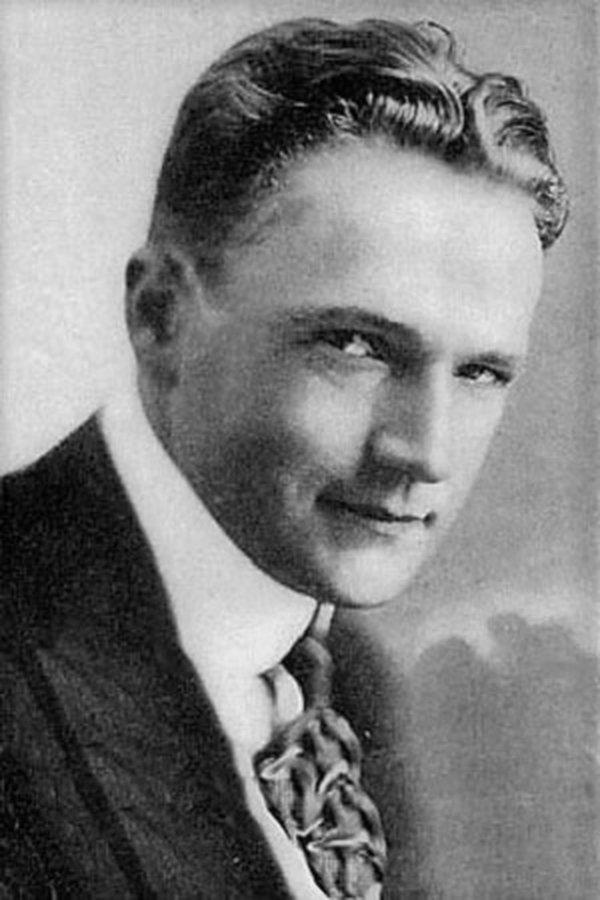
Tom Forman
Director

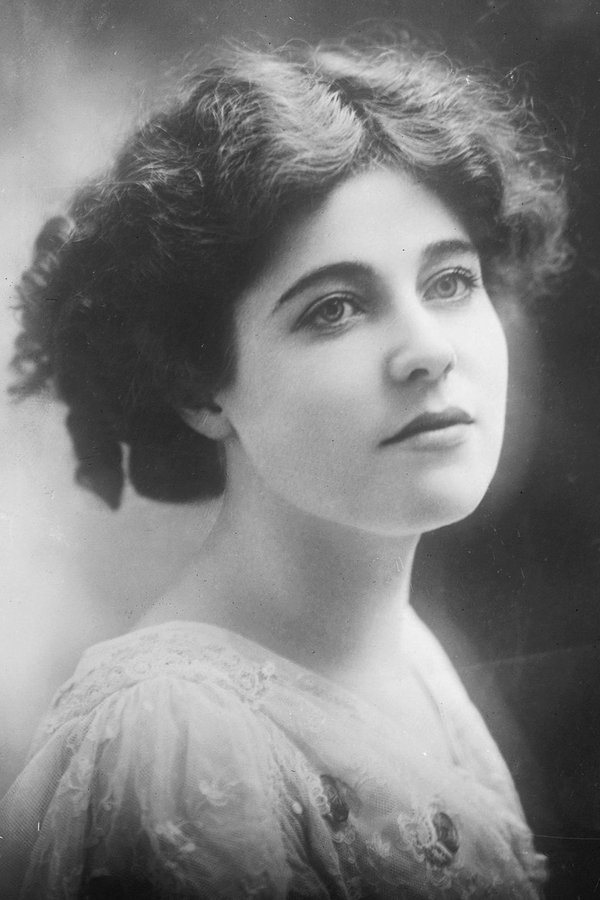
Ethel Clayton
Roseanne Ozanne

Jack Holt
Sir Dennis Harlenden
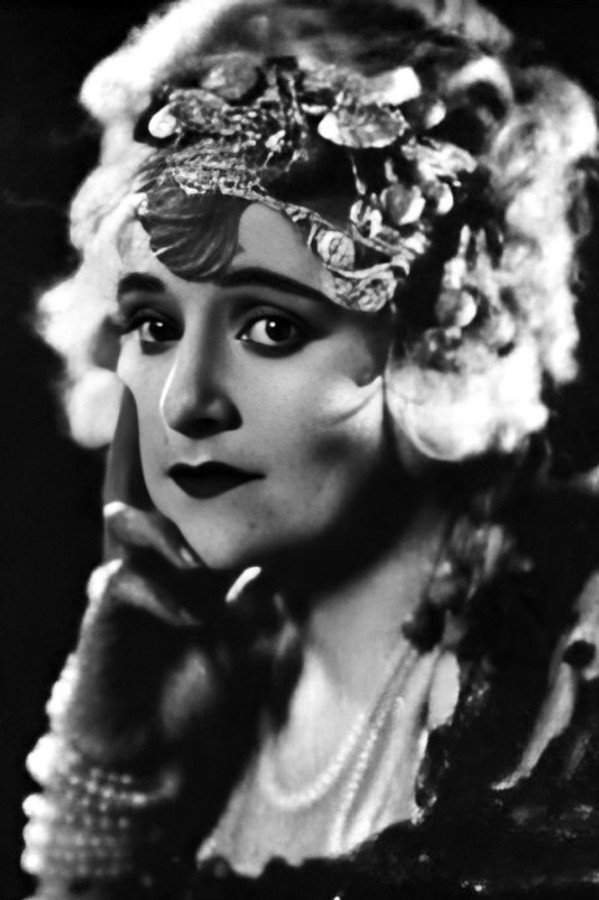
Fontaine La Rue
Rachel Bangat
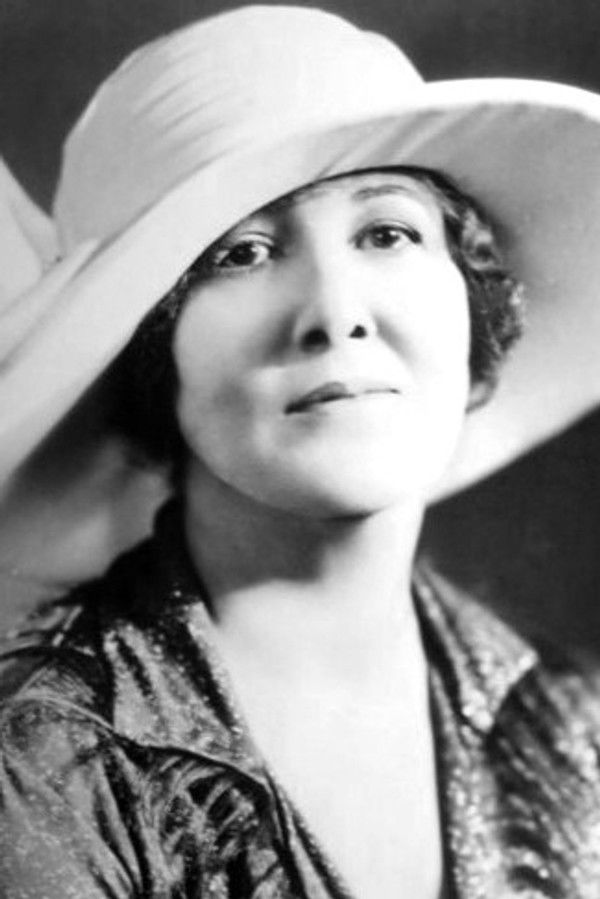
Mabel Van Buren
Mrs. Ozanne
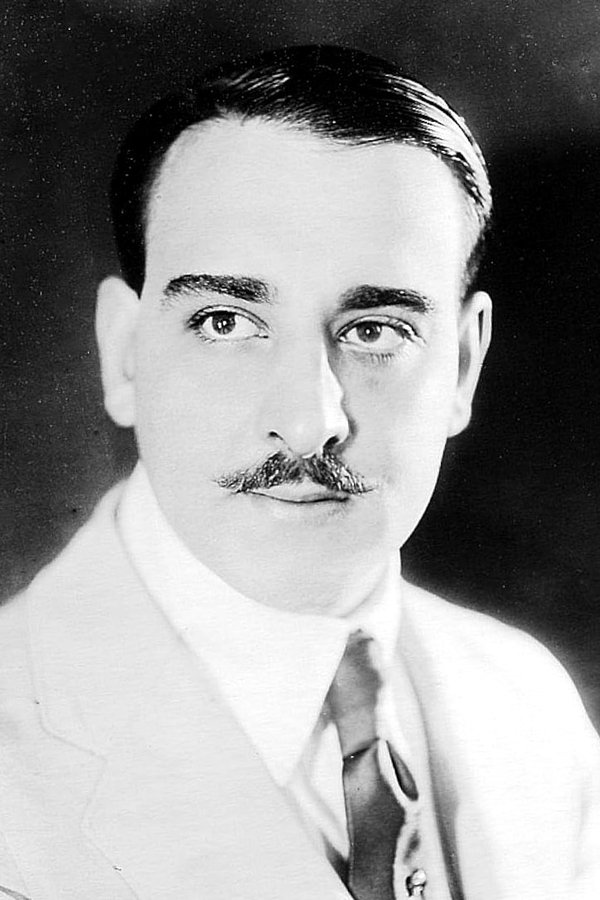
Fred Malatesta
Syke Ravenal
Grace Morse
Kitty Drummond
Dorothy Messenger
Precious Drummond

Guy Oliver
Hlangeli's Father
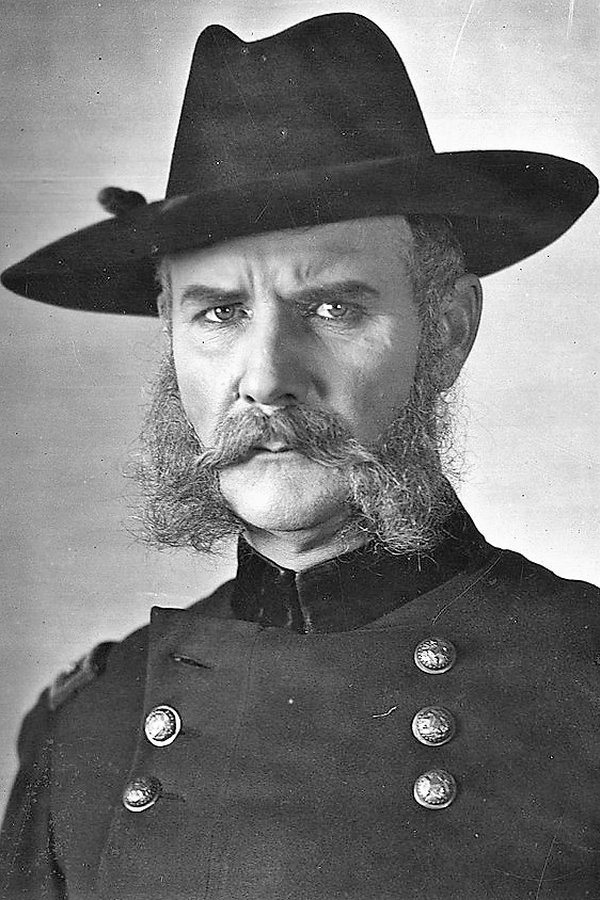
Clarence Geldart
Leonard (as C.H. Geldart)
James Smith
Hlangeli
The Sandman features a plethora of LGBTQ+ characters and is openly expressive about it!
The sequel to the 2021 remake of the same name continues from where we last left off in this spooky adventure.
This current year, as well as the past several, has seen a slowly building increase in something the horror genre has required for quite a while in this critic's opinion...originality. I've stated before that I am very hard to please when it comes to this vein of the film industry's offerings, always leaning more towards that which sends chills through my very being in lieu of buckets of blood and gore.
"Idina Menzel: Which Way to the Stage?" shows viewers how the star became who she is today.
The social issues The Half of it takes on are handled well, between the antagonization brought on to Ellie for her race and the conflict that arises from her being gay. Both aspects of her character are built up over the course of the film and don’t seem abrupt or rushed. The film shows racism towards Ellie and her and father in varying levels, from having her schoolmates specifically address her as "Chinese girl” to the fore mentioned way her Dad is treated due to language barriers. The same can be said about Ellie being a lesbian. While she never truly “comes out” in the narrative, that does not undermine her journey of self-discovery from being meaningful. These ideas aren’t thrust upon the viewer in a preachy manor, the scenarios that occur feel believable given the rural setting. The film presents watchers with problems whom those like Ellie may face, and leaves us to sit with them and reflect.
Taylor Swift dazzles many fans with remixes of her country and pop singles in her Reputation Stadium concert tour, becoming a successful concert film.