







Trauma Profiteering in Jordan Peele's 'Nope'
Nope succeeds tremendously in dealing with higher concepts in an engaging and highly entertaining manner without sacrificing theme or personality.
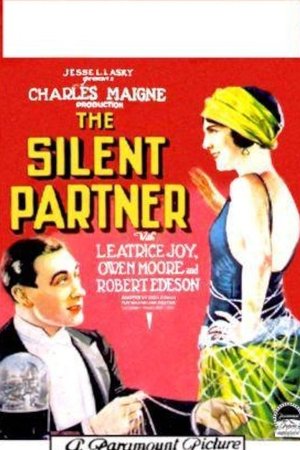


Wall Street clerk George Coburn leaves the employ of broker Ralph Coombes to become an independent speculator. Although she disapproves, George's wife, Lisa, insists on being his "silent partner" with a fifty percent share of the profits. Lisa avoids spending lavishly and saves her share of the money. Later, Ralph, who is in love with Lisa, conspires with brokers Jim Harker and Charles Nesbit to involve George in a stock deal that will likely ruin his business and his marriage. George loses his fortune and leaves his wife. Ralph conspires with his friend, Gertie Page, to lure Lisa on a voyage to Europe. Soon after boarding the ship, Lisa learns of the plot and disembarks. She reunites with George and assures him that they are not destitute. (Source: AFI)
Nope succeeds tremendously in dealing with higher concepts in an engaging and highly entertaining manner without sacrificing theme or personality.
There is a lot of controversy around Q-force. It’s certainly not hard to see why—the series is quite hyperbolic. I will say, that was the first aspect I noticed on my initial watch. Right from the get-go Q-Force barrages you with gay joke after gay joke. This is hit or miss throughout the series.
Yes, "Nope" is definitely about the modern obsession with turning tragedy and horror into a spectacle for people’s enjoyment. But it's also about the power of looking, who has the right to look, and what happens to those who are looked upon.
A throwback to the last months of the 20th century in this comedy film.
Women who pray together, play together. Very rarely would I describe a story about a group of punk rockers as “whimsical”, but such an engaging array of visual and comedic components make this stand-out new series the star that it is.
Given that Charlie Cox is having a moment with the rise in interest in 'Daredevil,' let's return to one of his earlier movies: the fantasy romance 'Stardust' where he shines amidst a slew of characters, from a stereotypical witch to a crossdressing pirate.