







Once Upon a Time in (White) Hollywood
Tarantino's alternative history of the 1960's uncritically repeats the era's sexist and racist stereotypes.



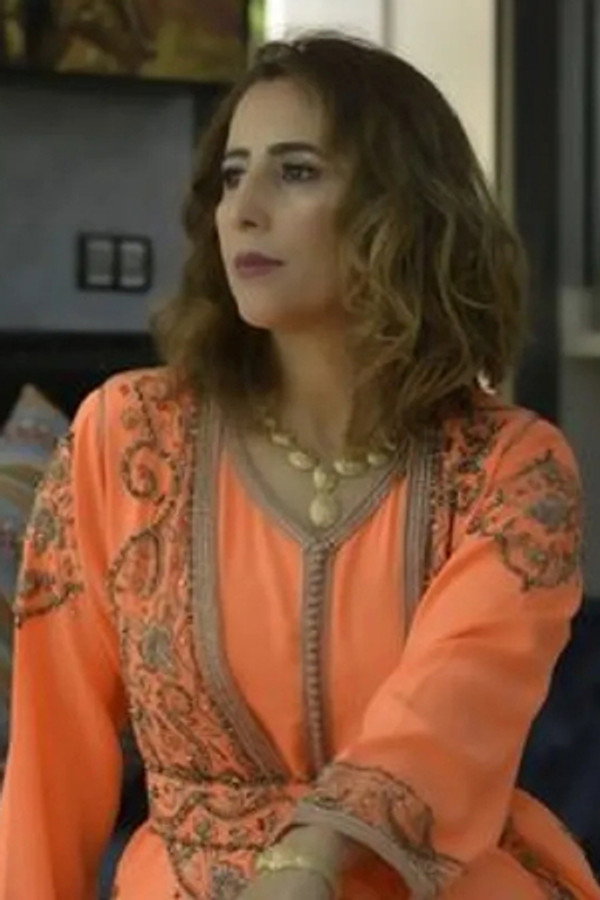
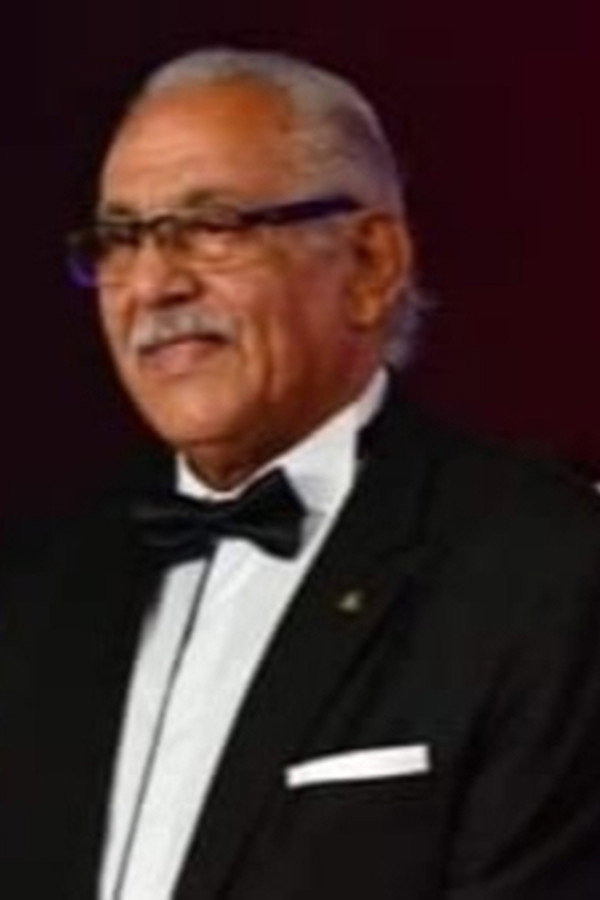
Malika, a mathematics professor faces deep problems with her husband. As a result, she seeks treatment from psychiatrist Omar, who tries hard to instill hope in her and make her cling to life.
Tarantino's alternative history of the 1960's uncritically repeats the era's sexist and racist stereotypes.
Diana’s spirit has taken off, ‘No right, no wrong, no rules for me.’ And in that moment, as she runs on the screen, she gets it, her ‘Let It Go’ moment.
Despite its aggressiveness, the Beef anthology series is about romantic love in all its forms. The final scene of the first season led us to believe that, despite the conflict, drama, and toxic traits, the main characters would end up together and, most likely, live happily ever after. The whole “beef” plot was the prelude to their love story.
“Candyman ain't a 'he.’ Candyman is the whole damn hive." Candyman represents all Black victims of white supremacy, and this art form narratively conveys it in a succinct, adulatory way, the history of which is rare to find.
... La huesera haunts her daily life, leaving people to question her viability as a mother, and Valeria’s lack of satisfaction with her life leave her asking similar questions. These misgivings reach their peak after the baby is born, when Valeria, visibly in a state akin to possession, locks her in the fridge when she won’t stop crying through the night
Emily Henry’s adaptation reaches romance movie standards, but not romance reader standards.