
Last Christmas: Emilia Clarke Stopped Eating Hearts and Decided to Win Them.
In Paul Feig’s newest comedy, Last Christmas, Katarina (Emilia Clarke) didn’t give a heart, she got a heart, you see.
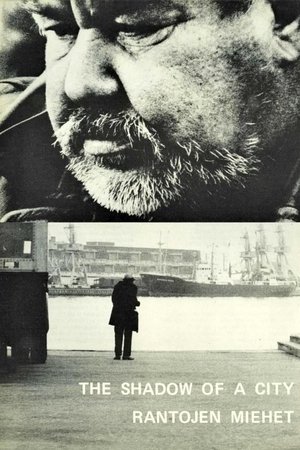


The degenerate alcoholics, the men and women of the beaches, themselves speak openly about their lives and problems. Through their stories, a picture emerges of those on the periphery of society who succumbed to alcohol because of war or difficult living conditions. They are aware of their own State; reason is still there, but the Will is lacking. The film is a cry for help on behalf of humans, it is a dispassionate and honest description of the position of degenerate alcoholics in Finnish society in the early 1970s.
In Paul Feig’s newest comedy, Last Christmas, Katarina (Emilia Clarke) didn’t give a heart, she got a heart, you see.
"King Richard" paints a nuanced portrait of a Black father trying to ensure his daughters’ success in a racist, misogynistic world. Yet, Richard and his kids overcome that fear and adversity to succeed.
While the film didn’t hit me as emotionally as I wanted it to, I still enjoyed it. I simply wish there was a little more, particularly with the world building.
“Candyman ain't a 'he.’ Candyman is the whole damn hive." Candyman represents all Black victims of white supremacy, and this art form narratively conveys it in a succinct, adulatory way, the history of which is rare to find.
In this short film, writer/director Nikita Hattangady focuses on Jai, a starving artist rooted in the latter category. Though unhoused, he works hard.
If you mix religious rituals with dark mythology, the result will be effective, and the story powerful in 90% of the cases. That is exactly what happens at the beginning of The Vigil.