










“Disclosure Day” and Anthropocentrism
Disclosure Day asks us to question humanity's role in the universe but falls victim to the same assumptions of centrality.

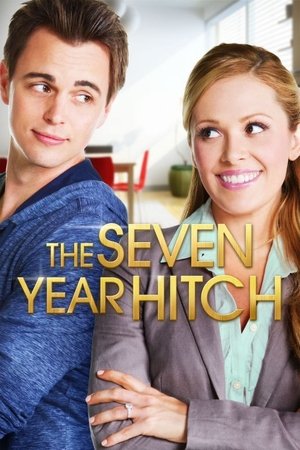


Jennifer and Kevin are childhood best friends who have lived together, platonically, as adults for many years. When Jennifer decides to marry her cheating, manipulative boyfriend, Bryce Kevin has to stop the wedding to protect her from making, what he believes is, a terrible mistake. With a little help from his brother and neighbor Kevin discovers that he and Jennifer are already legally married due to common law, having lived together for seven years and, as such, Jennifer can not marry Bryce.
Disclosure Day asks us to question humanity's role in the universe but falls victim to the same assumptions of centrality.
Him is visually stunning—all concrete cathedrals and bone-rattling impact shots that look like a nightmare highlight reel. Marlon Wayans is magnetic as this legendary quarterback who's basically selling salvation with a smile that never quite reaches his eyes. But the story keeps running in circles: more tests, more cryptic pep talks, more ritualistic drills. The sports-as-religion metaphor beats you over the head when subtlety would've been more effective. The middle drags, and that finale chooses spectacle over substance. It's undeniably stylish, but left me cold. Also worth noting: despite the Monkeypaw connection, this isn't actually a Jordan Peele film—he didn't write or direct.
Villeneuve’s Dune is a masterpiece for its crafting process, but references to David Lynch's picture are sometimes too obvious.
A teen comedy that nobody wants to see.
A review of the Ryan Polomski documentary featuring the story of Basketball star Raymond Lewis.