The End of “The End of Oak Street” is Oak Street
An attempt to capture nostalgia that unfortunately just doesn’t work
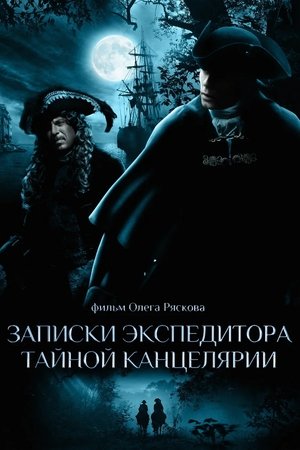


These are the dark times around 1720 in Russia. Tsar Peter the Great dies and his highly esteemed partner and friend Prince Menshikov rules the country from now on. But there are also those who oppose the prince. Messenger Ivan, an army officer, fails one of the risky resistance orders given to him by the scheming opposition and openly confesses to it. He is to be punished mercilessly, but the head of the secret service recognizes the officer's qualities, and from now on Ivan becomes an agent of the Tsar. Thus begins a series of mysterious incidents and he begins to investigate them. Masons, pirates and grand dukes, all have their dark secrets...
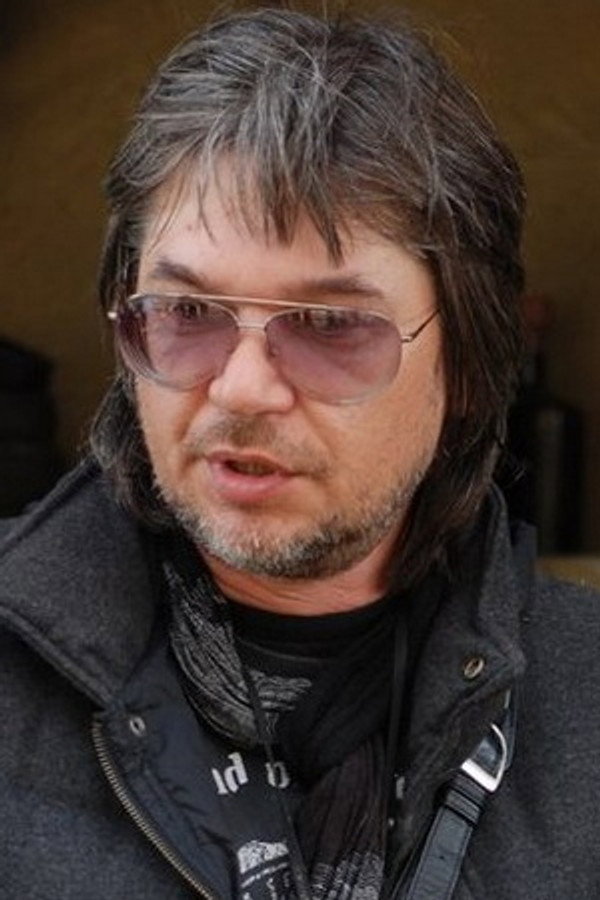
Oleg Ryaskov
Director


Ilya Sokolovskiy
Ivan Samoylov
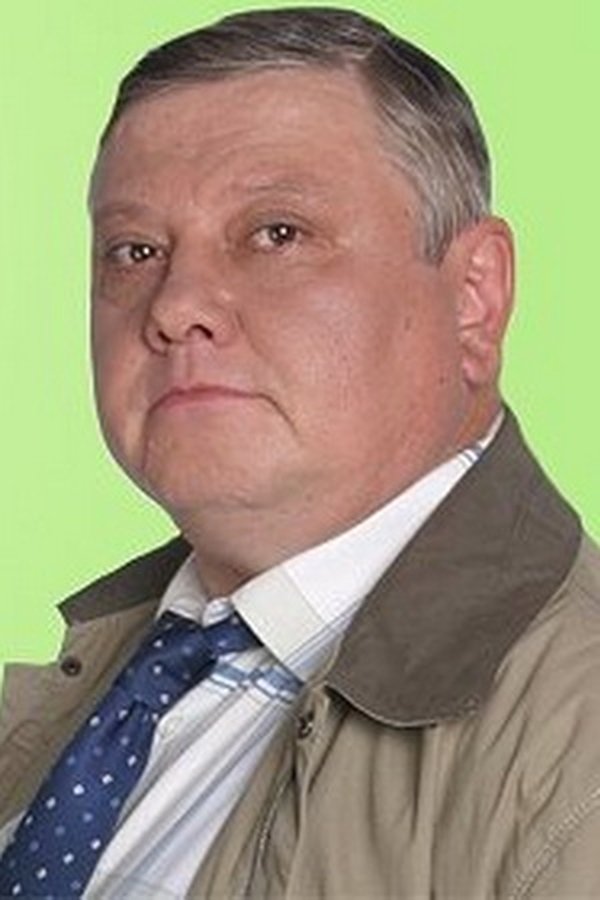
Sergey Serov
graf Belozyorov
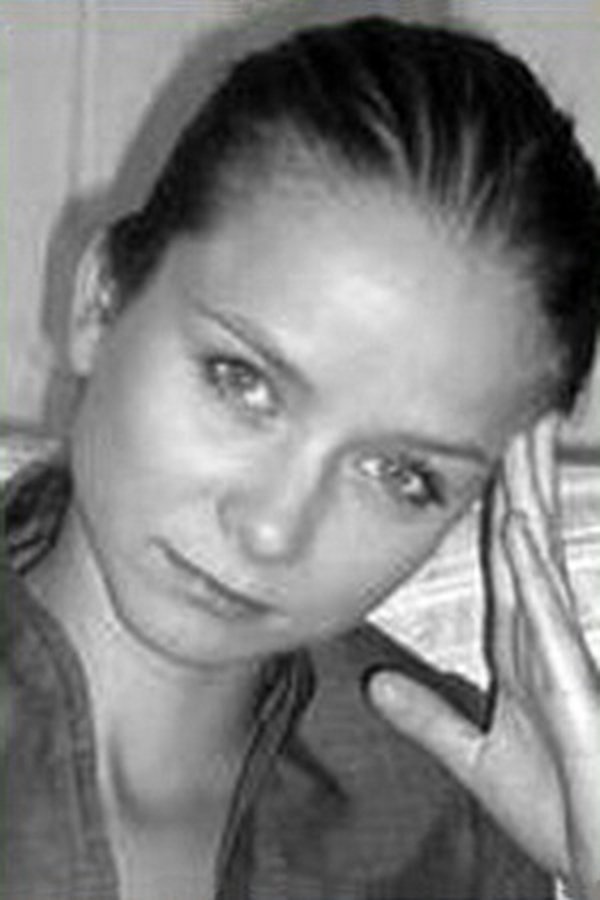
Elena Burlakova
Varvara Belozyorova

Olga Azhazha
Sofya Belozyorova
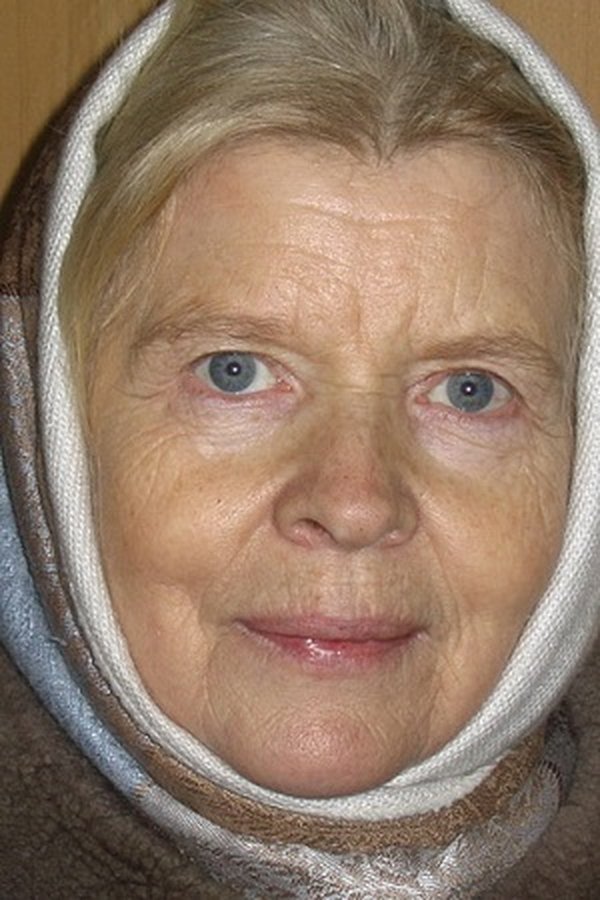
Tamara Spiricheva
Belozerov's aunt
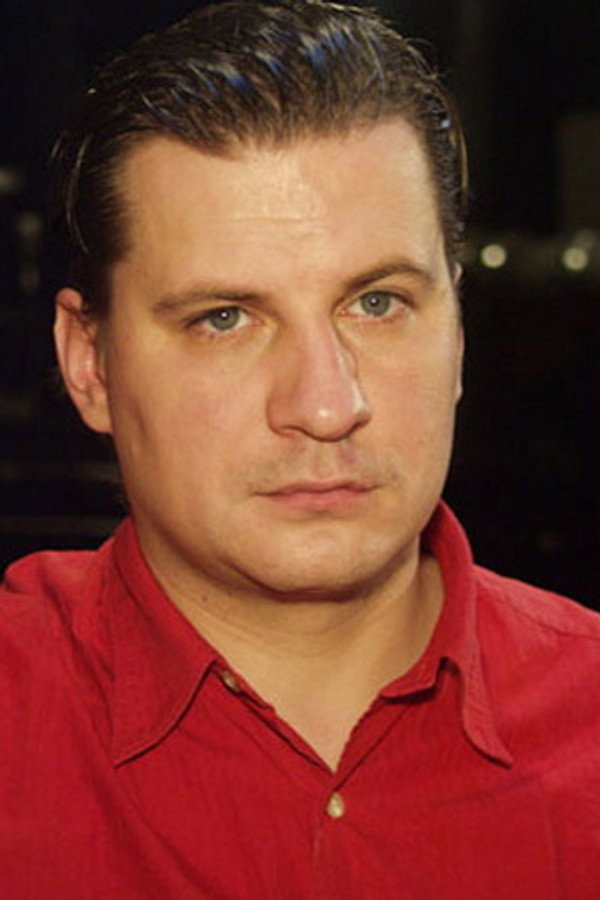
Aleksandr Grishin
Vasiliy Vozhzhov
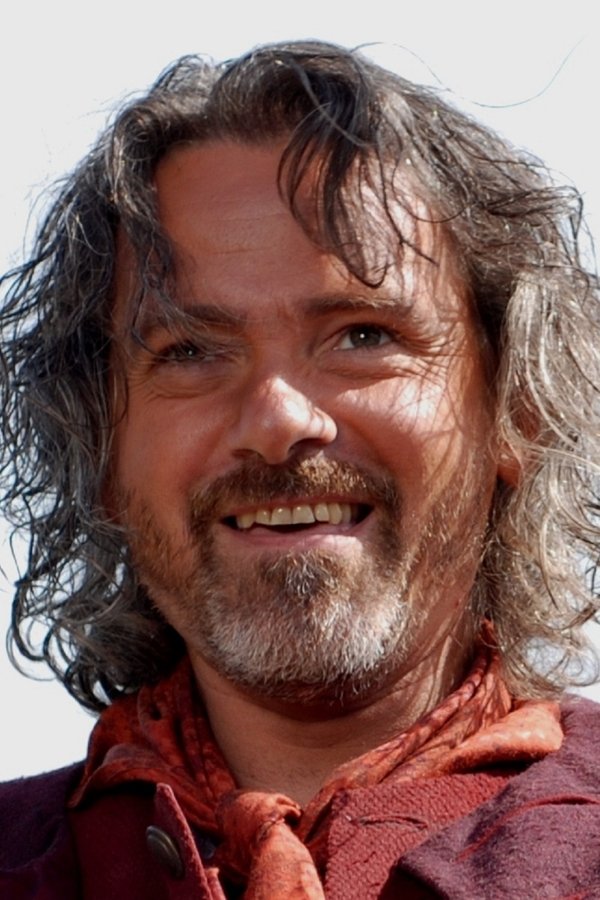
Andrey Ryklin
knyaz Menshikov
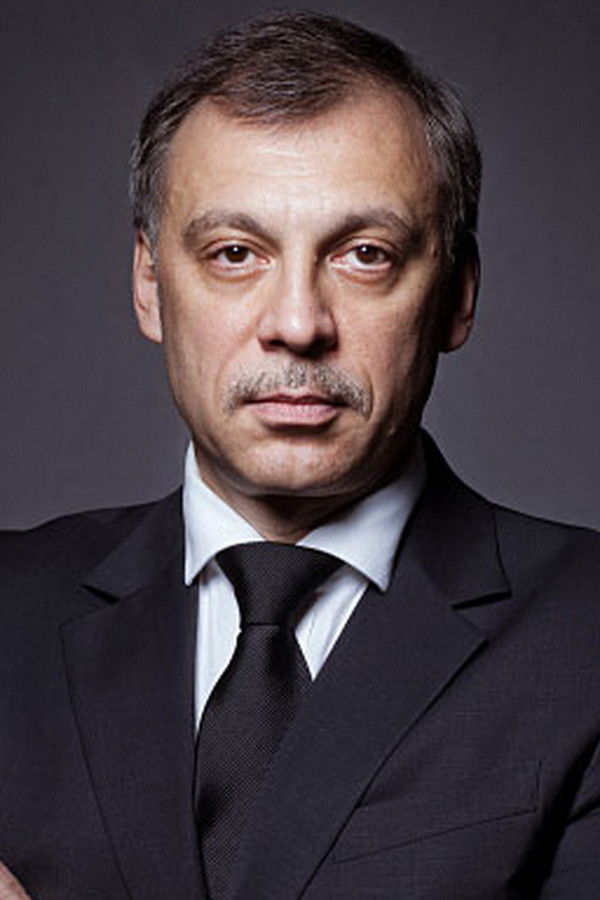
Sergey Chonishvili
Andrey Ivanovich Ushakov
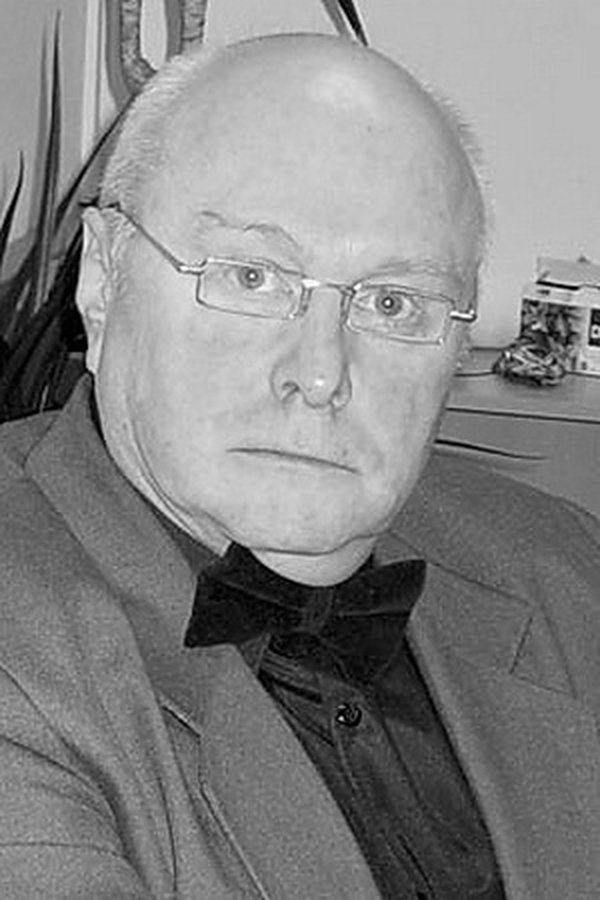
Aleksandr Starikov
graf Tolstoy
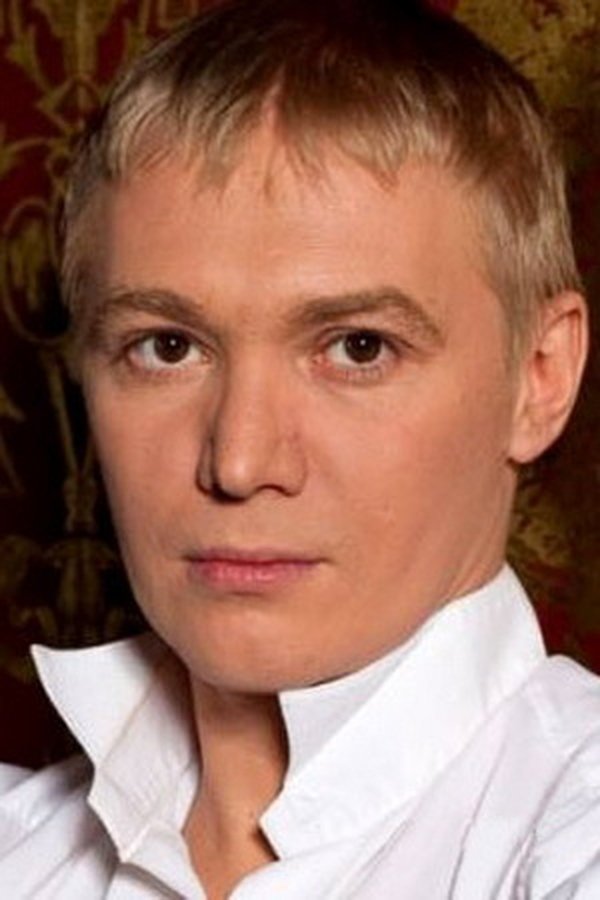
Sergey Ivolotsi
Tumanov
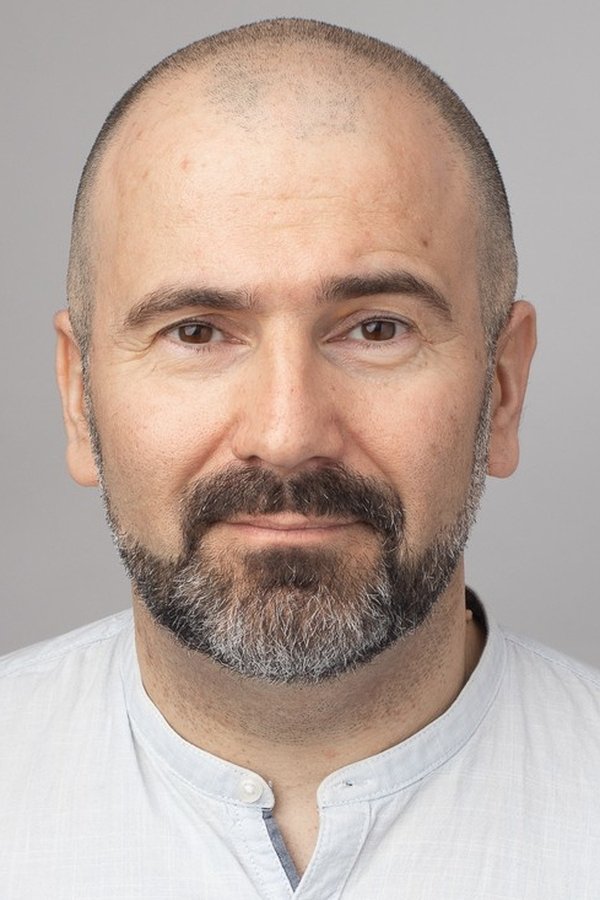
Vadim Medvedev
Falinelli
An attempt to capture nostalgia that unfortunately just doesn’t work
There’s been a longstanding criticism of sci-fi films about its lack of Black characters. For the past few years, Anthony Mackie has been successfully representing Black masculinity in the otherwise homogenous genre and I am here for it.
Like all modern societal phenomenons, it started with a meme. This one highlighted that when there’s a mom in a Pixar film, she is almost without fail given striking curves that highlight the bottom half of her body following a minuscule waist. From Elastigirl to the skeletal Mama Imelda, the animation giant’s artists seem to have a fixation on making exaggeratedly curvy maternal characters.
I have talked with founder of Red Nation Television Network, Joanelle Romero, and the future of Indigenous representation looks bright.
The Djinn is about childhood traumas and lifestyle changes. It tells the story of Dylan (Ezra Dewey), a mute boy who blames himself for his mom’s death. He also condemns himself for being speech-impaired, and he thinks that if he did not have that condition, everything could had been different.
Documented human suffering is never easy to view or read about and is understandably triggering for many people, but it can be educational, and education is a key to change. An overwhelming amount queer people worldwide (and in my own country) have it far worse than I could imagine, and documentaries such as Welcome to Chechnya bring issues to light that certain groups of people would never see.