Five Nights at Freddy's—Exciting Game Adaptation or Boring Snoozefest?
In light of the trailer release for the Five Nights at Freddy's sequel, it’s due time to talk about the first movie.

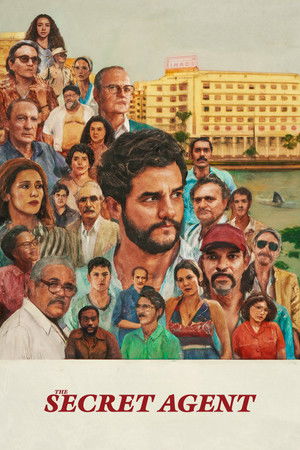


In Kleber Mendonça Filho’s The Secret Agent, the sociopolitical climate of Brazil in 1977 is depicted by the exchange of characters on screen, verbal and nonverbal. It didn’t introduce the circumstance of the protagonist, Marcelo/Armando, at the beginning and didn’t mention that “Marcelo” was a fake name until the middle of the film. Instead, a sequence at the gas station opened the film, introducing the situation of Brazil in the 70s. Besides Marcelo, who arrived in a signature yellow Volkswagen Beetle, other characters in this scene only appeared once. During this sequence, the camera kept panning to a dead body facing down on the ground as futile attempts to seize comprehension. A police duo only stopped to harass Marcelo for bribery because they assumed someone in a Beetle would get some money, neglecting the corpse. Some carnival-goers passed by in a car and decided not to stop due to the sight of police. On the side, the stray dogs constantly tried to nudge the body, while only the kind shop owner was cursing them away again and again. The bribery and corruption of the public departments are embodied in the mannerisms of those twisted individuals in public and private sectors. The military dictatorship isn’t explicit in language but in the contingencies of persons’ lives. As a subplot, an imaginary story of one hairy leg mixed the fiction and the real life, which made a sarcastic commentary on the police violence and corruption.
It’s revealed later in the film that the reason why Armando was on the run was because of his conflict with the corporate head who illegally took over the public-funded research at the university. He got assistance from Elza, who was a political resistance leader. It’s significant that the film is told from the view of a regular scientist who was assassinated because he stood firmly in their way of oppression, not from the view of Elza. The resistance was not only held by the activists, but folks in different fields had the dignity to go against the grain, along with all the people surrounding them. Even Armando’s new colleagues, father-in-law, and young son are all involved in his resistance in various degrees. The film portrayed them as lively individuals and showcased their joy at the difficult moments. In the lovely community of a wise and energetic elder woman, Dona Sebastiana, other residents and a disabled cat were also in her care, and even though their reasons and their future were unknown, the spirit was felt in the light-hearted conversations.

Brazil, 1977. Marcelo, a technology expert in his early 40s, is on the run. Hoping to reunite with his son, he travels to Recife during Carnival but soon realizes that the city is not the safe haven he was expecting.

Kleber Mendonça Filho
Director


Wagner Moura
Marcelo Alves / Armando Solimões / Fernando Solimões

Alice Carvalho
Fátima

Gabriel Leone
Bobbi

Isabél Zuaa
Tereza Victória

Maria Fernanda Cândido
Elza

Udo Kier
Hans

Robson Andrade
Clóvis

Rubens Santos
Natalício

Licínio Januário
Antônio

Joálisson Cunha
Frentista
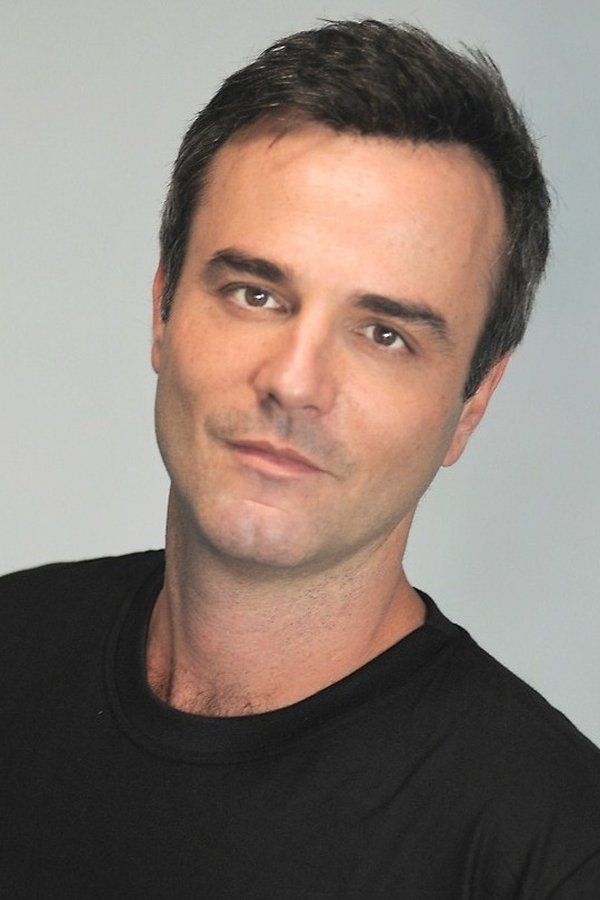
Marcelo Valle
João Carpinteiro
In light of the trailer release for the Five Nights at Freddy's sequel, it’s due time to talk about the first movie.
The Lego Movie achieves great humor and story with a combination of childish comedy, adult references, irony, and by subverting popular movie tropes.
Kate Winslet and Saorise Ronan deliver stellar performances in a film that doesn't live up to its potential.
Sam Levinson's latest film can't keep up with the excellence of its performances.
The iconic title character stars in her own horror and gothic TV series.
A direct fall into the white savior narrative