‘My Big Fat Greek Wedding 3’ Is A VICTORY For Queer Representation
'My Big Fat Greek Wedding' is a franchise built on inclusive storytelling.
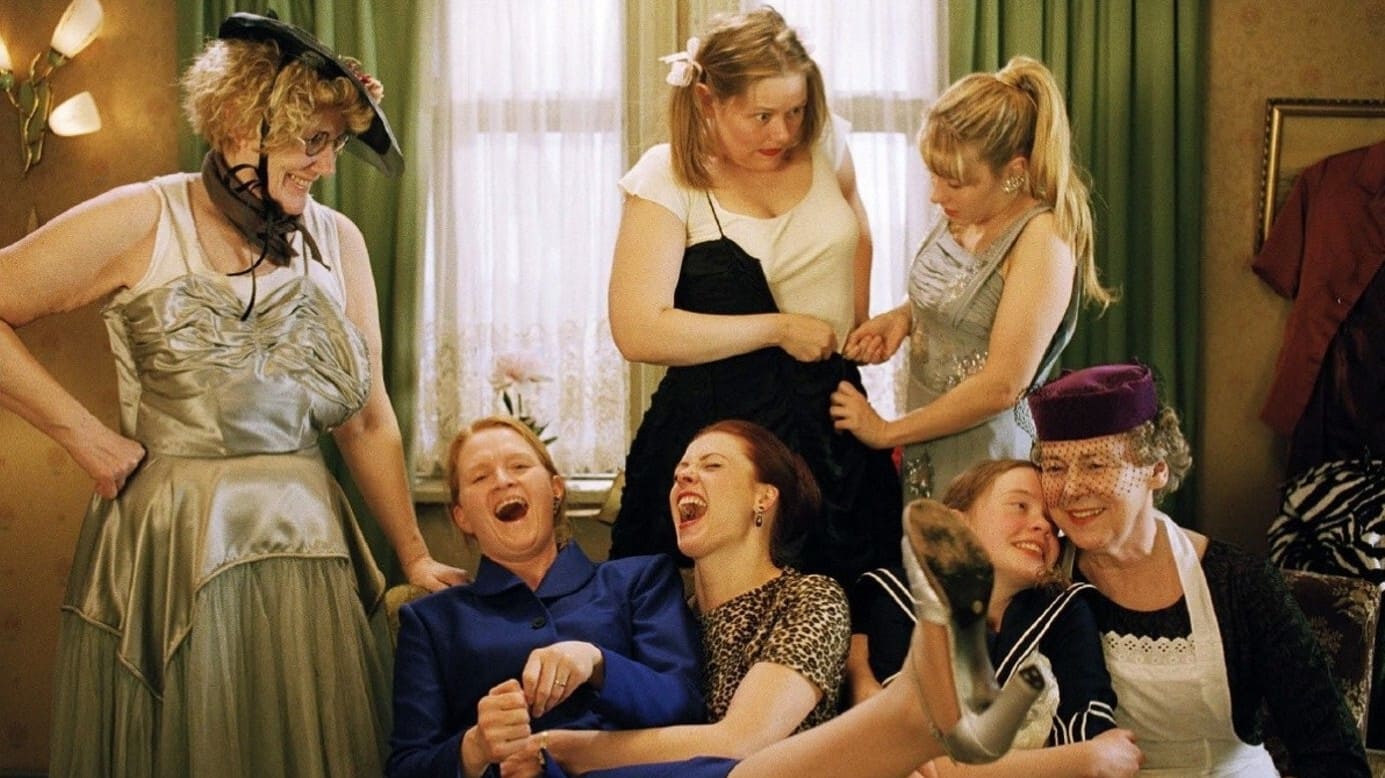
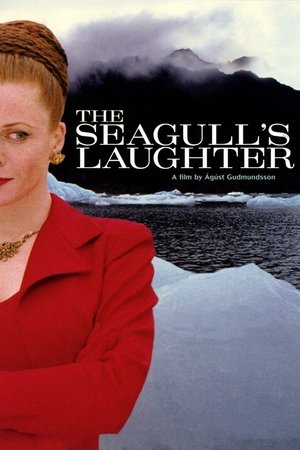


Post-war provincial Iceland: around 1950, Freyja, who'd been a plump teen, returns from America, a widow with a 20-inch waist, seven suitcases of dresses, and a list of who ever wronged or slighted her. She moves in with an aunt and socialist uncle: finding a new husband is high on her agenda, and she's mistrusted by Agga, a pre-teen who's our eyes and ears. The social order and Freyja are more complicated than they seem at first, and so may be her prospects. Class divisions, families ties, pride, the onset of puberty, and the power of Eros sliver the ice.
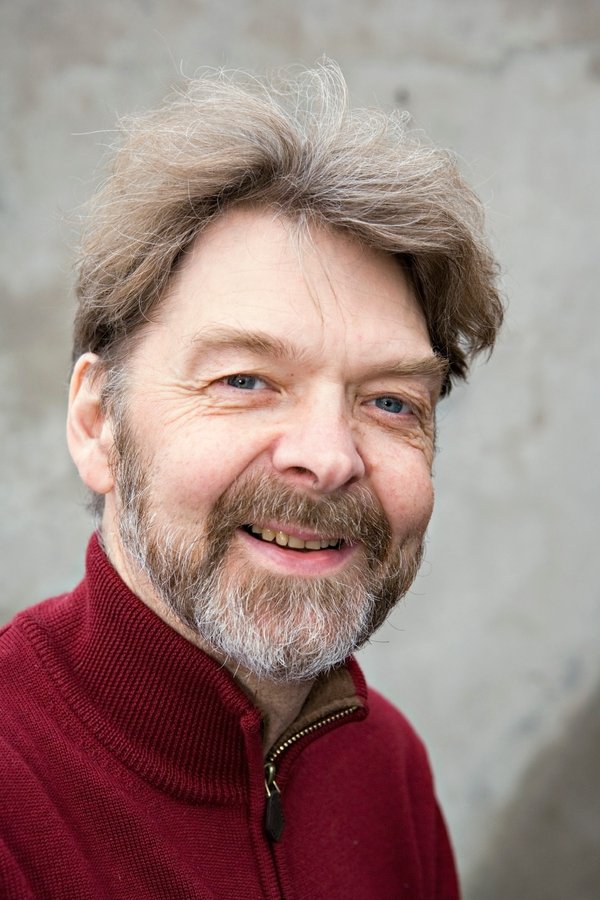
Ágúst Guðmundsson
Director


Margrét Vilhjálmsdóttir
Freyja
Ugla Egilsdóttir
Agga
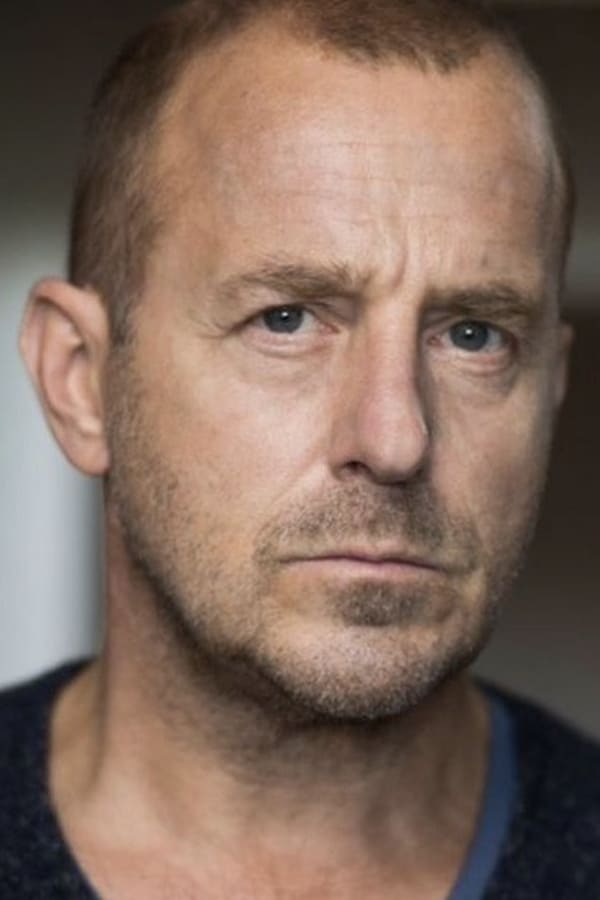
Heino Ferch
Björn Theódór
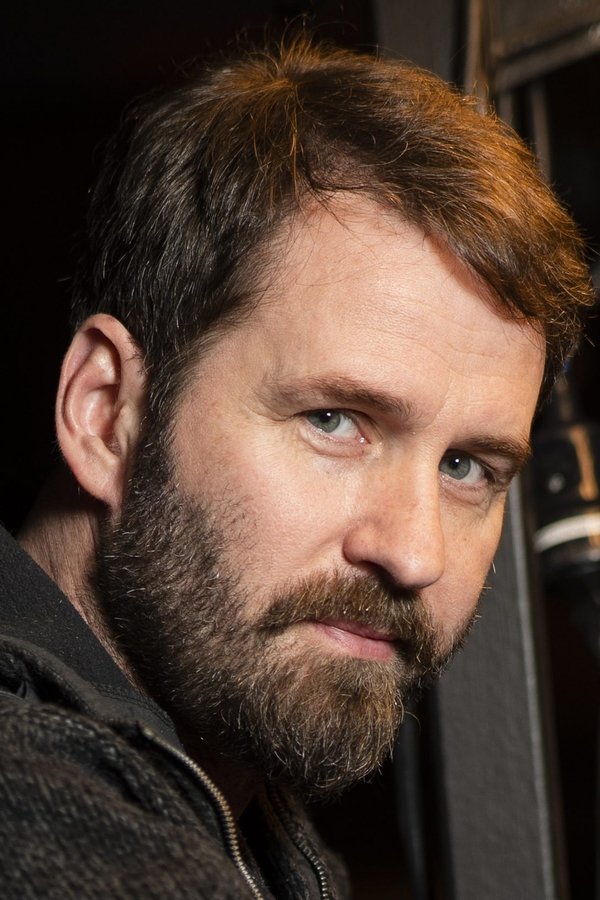
Hilmir Snær Guðnason
Magnús
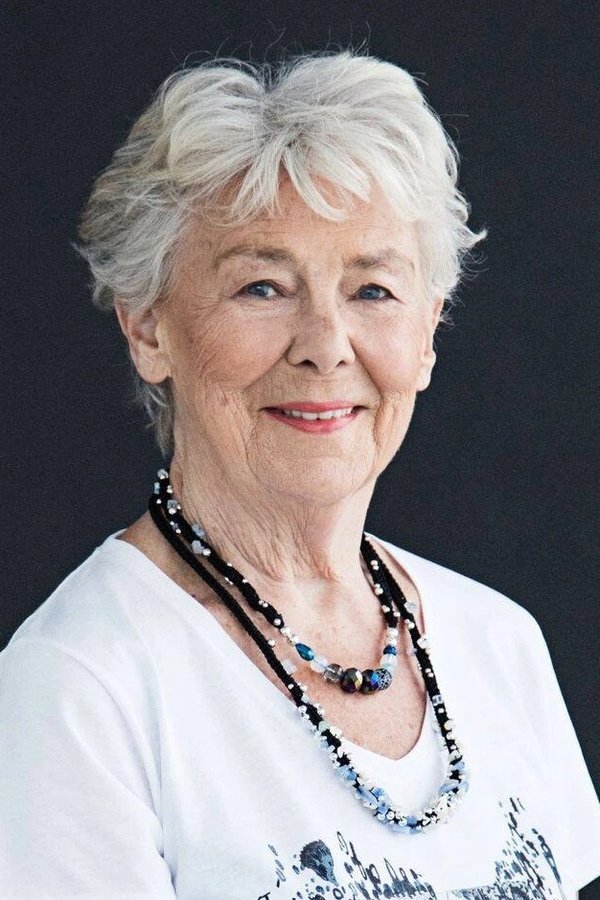
Kristbjörg Kjeld
Grandmother
Edda Björg Eyjólfsdóttir
Dódó
Bára Lyngdal Magnúsdóttir
Dísa
Eyvindur Erlendsson
Grandfather
Guðlaug Elísabet Ólafsdóttir
Ninna
Sigurveig Jónsdóttir
Kidda
Diljá Mist Einarsdóttir
Emilía
'My Big Fat Greek Wedding' is a franchise built on inclusive storytelling.
Through three intricately crafted seasons of television, "Hannibal" has managed to make itself into the best incarnation of the self-titled work.
Dune has stunning visuals, a striking soundtrack, and great performances. But it has issues everywhere from its pacing, to its story, to its diverse representation.
Ever heard of the bad boy type? The type of man who's sexy yet broody, or the type of man who’s dangerous but has a sensitive side? It’s a well-known stereotype that women are attracted to villains. The question is: why are we?
Coverage from the Austin Film Festival, highlighting some panels and films that emphasized the importance of diverse and inclusive storytelling.
One of the great achievements of this film is its ability to challenge the mind and to force you to try to process information in a different way than you’re used to.