




The ABCs of Abbott Elementary: Janine Goes To School
Check out the ABCs of Abbott Elementary - Cast & Reviews - In 'Abbott Elementary' showrunner and star Quinta Brunson highlights common issues among teachers deserving of Superhero Status.
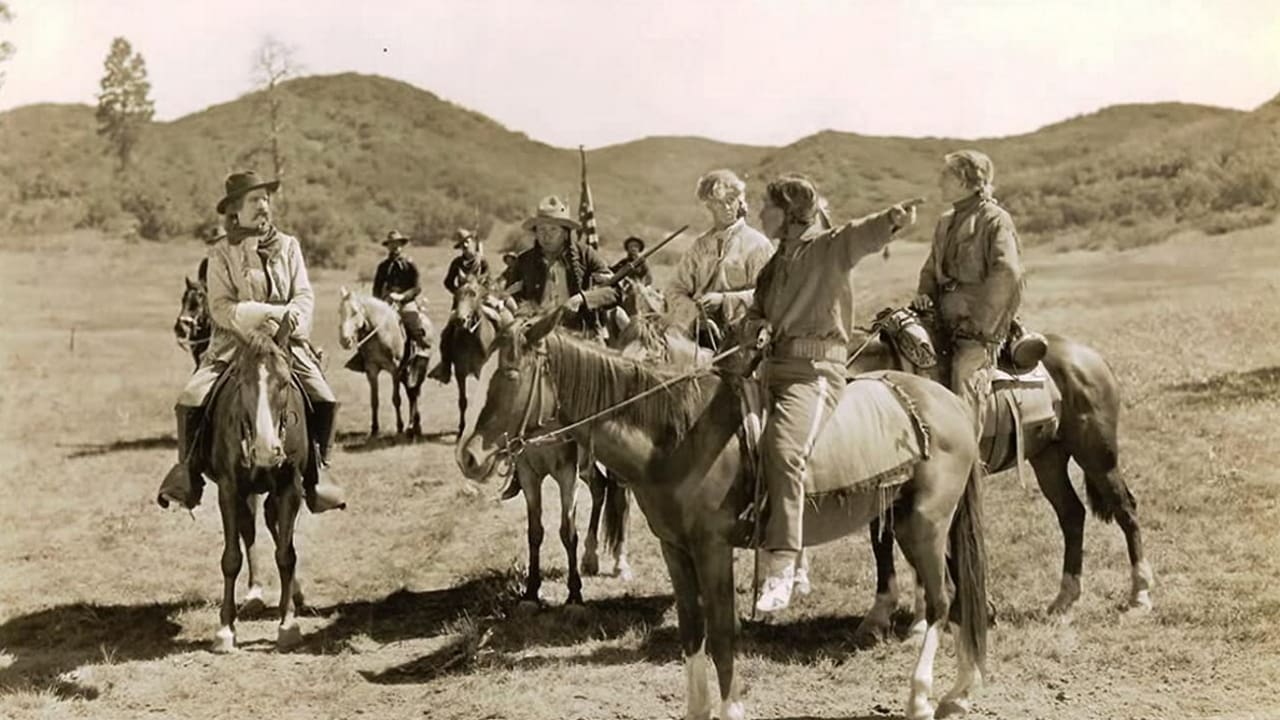
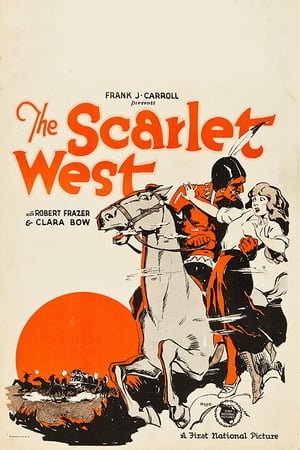


Cardelanche, the son of an Indian chief, returns from the East to find himself rejected by his own people. He is made captain of the U.S. army when he saves a detachment of cavalry from a group of renegade Indians, and further removes himself from his race when he develops a relationship with Miriam, the daughter of the Fort Remmington commandant. Lieutenant Parkman (Walker) gets into a fight with Cardelanche when Parkman is demoted, while General Custer's troops are slaughtered by Cardelanche's people. Cardelanche decides that his true allegiance is to his own race, and gives up Miriam to return to them.
Check out the ABCs of Abbott Elementary - Cast & Reviews - In 'Abbott Elementary' showrunner and star Quinta Brunson highlights common issues among teachers deserving of Superhero Status.
A legacy based on the comic strip for old and new fans of Peanuts.
“And I think to myself….what a wonderful world”. Louis Armstrong sang about this notion via his classic 1967 song, an ode to witnessing elements of our life that should be but some reminders of exactly what that concluding line of each verse indicates. Now we see our contemporary realities and, just being honest, it makes a sentiment like this seem SO overtly far away….perhaps even impossible….to accept or believe could be. It sounds harsh, but again, so much of what is occurring speaks not to beauty, but bedlam.
A brief look at two Barry Jenkins films that have established him as one of the greatest filmmakers of our time.
Battles will come and go and queer people do die for their identity and fights for rights, but that doesn’t mean the gays don’t deserve their happy endings in stories.