
The 100: Highlighting Humanity’s Successes and Failures in Overcoming Hateful Rhetoric
The 100 imagines a future where humanity's overcome some of its most pervasive forms of prejudice—only to create new ones.
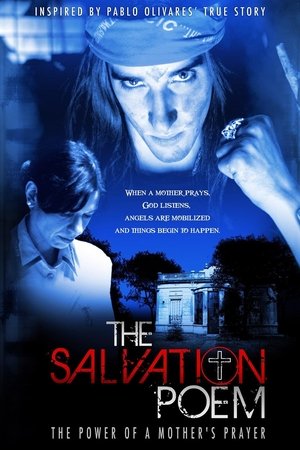


Pablo Olivares is a lively and talented child born into a Christian family. His mother, Carmen, devotes her time to teach him biblical principles and cultivates in him a love for music. His father, Roberto, spends most of his time working, which keeps him busy and distant from Pablo's life. Because of his father's emotional absence, Pablo gets involved with friends who introduce him to the world of rock n' roll, and becomes captivated by occultism. His musical talents are evident, and even though Carmen believes in him, rock is something that she will not condone. The pain caused by his father's absence and his mother's rejection of his dreams, incite in this young man a hate which he slowly directs towards Carmen and the religion she professes. Driven by his ambitions of success, Pablo makes a pact with the devil. Carmen does everything she can to re-establish her relationship with her son, and faithful to her beliefs, she prays earnestly for him for more than fourteen years.
The 100 imagines a future where humanity's overcome some of its most pervasive forms of prejudice—only to create new ones.
"Peter Pan & Wendy" is a diverse fantasy brought to life and an adventure for all ages.
By having two of its most beloved characters go to space in a Pontiac Fiero attached to a rocket, among other antics, F9: The Fast Saga overwhelmingly achieves the task of out-crazy-ing its predecessors.
An uncomplicated, family-oriented man struggles to adjust to an ever-changing world, especially after suffering a loss. Even for the early 1900s, a less complicated time in many ways than now, Robert Grainier (Joel Edgerton) is a simple man.
If you’ve been itching for a sign to finally go on that unforgettable summer camping trip, this is it.
“To be universal, you have to get specific”: while the film does not attempt to provoke discussions about queerness or race, those watching closely may find something resonant in Sorrentino’s love letter to the Naples of his youth.