

Kristen Stewart And Pablo Larraín Give Princess Diana Her ‘Let It Go’ Moment In 'Spencer'
Diana’s spirit has taken off, ‘No right, no wrong, no rules for me.’ And in that moment, as she runs on the screen, she gets it, her ‘Let It Go’ moment.
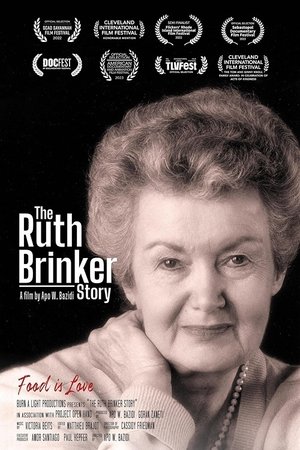


At the age of 63, retired food-service worker Ruth Brinker became a pioneer of HIV care in her community and would become a legend among San Franciscans. The AIDS epidemic hit San Francisco the hardest and created a wave of fear and uncertainty that left many victims feeling hopeless and alone. Brinker, a woman whose deep compassion became a source of strength for others struggling to cope with the times, began cooking meals in her kitchen to deliver to her neighbors who were too ill to take care of themselves. Her goal was to not only provide meals but to also revitalize the city's sense of community and spend time with HIV/AIDS patients to end the isolation they experienced.
Diana’s spirit has taken off, ‘No right, no wrong, no rules for me.’ And in that moment, as she runs on the screen, she gets it, her ‘Let It Go’ moment.
Films and TV series often tend to misrepresent or not acknowledge bisexual characters, but recent trends show that bi-erasure is now under deserved scrutiny. So, I’m genuinely happy about the direction bi-representation seems to be taking.
This Nickelodeon live-action TV series features strong Black representation.
Red, White and Royal Blue still does not have an official release date. However, the cast has been sharing pictures of their filming.
The Forge is a moving story about a young man’s search for purpose. Through mentorship, discipline, and faith in God, his life is transformed from confusion into clarity, reminding us that true greatness is shaped in the fire of surrender and growth.
We're making today a perfect day for you, and for everyone.