
Garfield the Movie: A Failure in Adapted Characters
An analysis on how the Garfield movie fails to represent the characters it is adapting, especially the women, by removing their best characteristics.
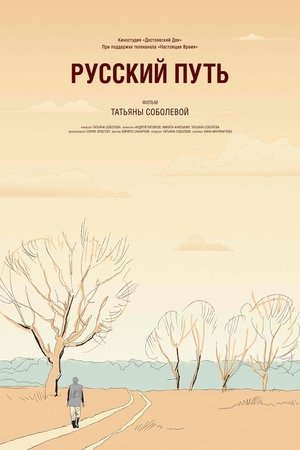


After twenty years abroad, Natalya returns to her homeland and tries to change life in her native village - to repair roads, remove garbage and build a first-aid post. Will the Western experience take root in its native soil?
An analysis on how the Garfield movie fails to represent the characters it is adapting, especially the women, by removing their best characteristics.
The 1950s lesbian romance is stunning, emotional, restrained, and, simply put, one of the best movies I’ve ever seen depicting a woman-loving-woman (WLW) relationship.
Even now, the well-established Snyder has yet to learn this as he continues to allow misguided decisions to convince him that his projects hold the same kind of intelligent and emotional weight. Army of the Dead is a tonal mess, one that never decides what it’s trying to be, and, for all we know, doesn’t want to decide.
The “gay best friend”, an age-old trope, has been done in countless films and television series. Ranging from one-note (Sex and the City's Stanford and Mario) to nuanced (Unbreakable Kimmy Schmidt's Tituss), the gay best friend exists to support and advise the main protagonist, with their conflicts swept to the side.
We have a long way to go with LGBT representation in film, especially when it comes to LGBT characters of color and trans characters.
Renee Zellweger shines in this Judy Garland biopic, which highlights the pain and loneliness that so many famous women endure.