



Bring Her Back: the Psychological Threat and How to Grieve Properly
The external threat invaded the domestic environment at the most valuable moment: grieving.
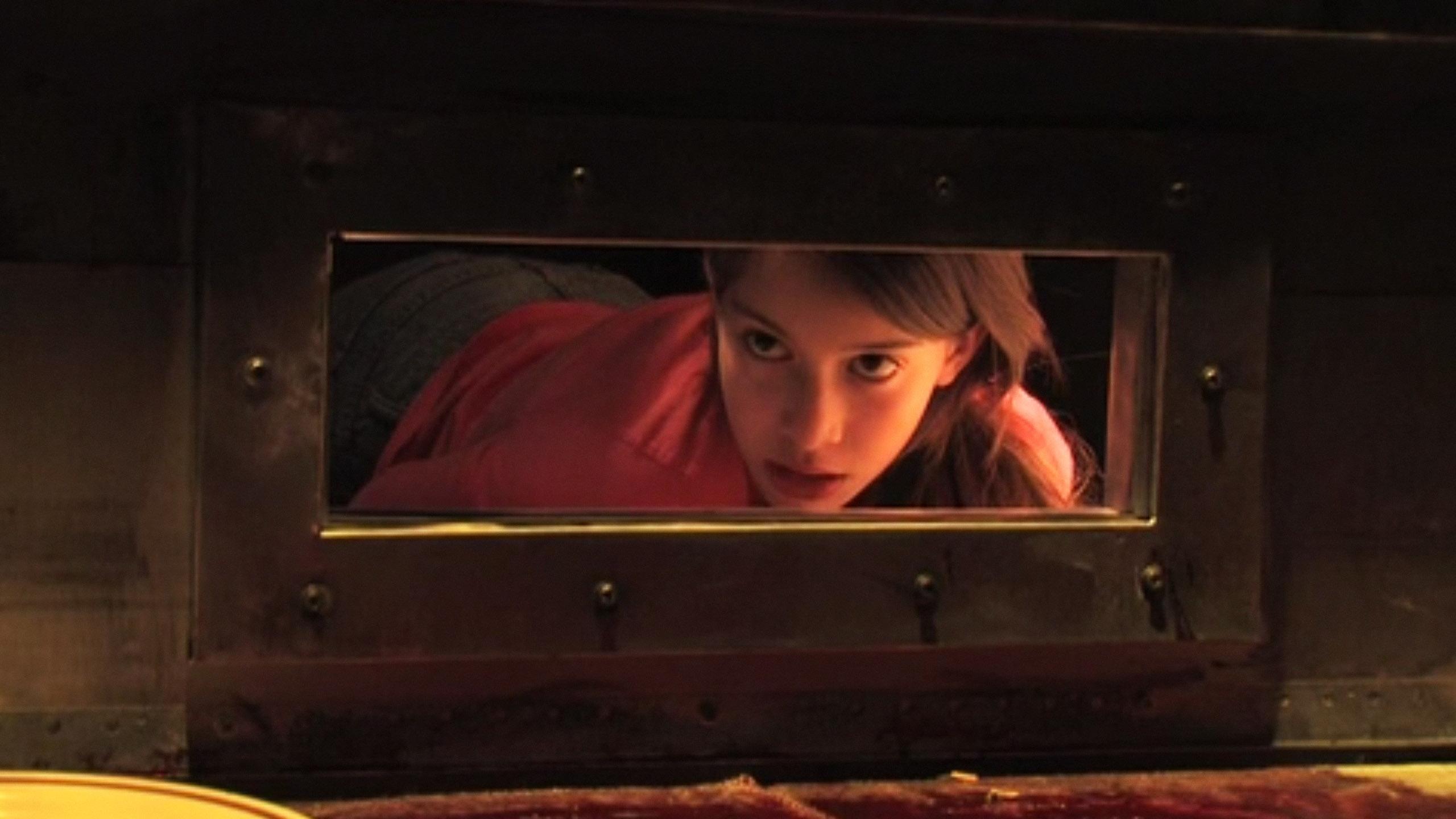



Sam wakes up in a cold, metal-covered room with a long streak of blood flowing from the door. The blood trail leads to a mutilated body. The body is her boyfriend lying in the corner of the room. Obviously frightened, she still mysteriously knows where she is and whom an ominous, forceful voice on an intercom belongs to. It's her father's voice. She stays in the room as punishment, and how long until she gets out she doesn't know. Hours become days. Days become weeks. In the room, Sam finds solace in talking to her nine-year-old sister through a latch built into the bottom of the room's door. This keeps herself occupied and her mind focused to prevent reoccurring flashes she has of her late mother's death. Meanwhile, the voice gives her instructions to take white pills that put her to sleep. Sam slowly pieces together fragmented memories she has from her past, and begins to understand why she stays locked in this room, for what lies inside of her cannot be let free.
The external threat invaded the domestic environment at the most valuable moment: grieving.
Looking for some Afro-centric entertainment? Check out these movies and immerse yourself in Black culture.
"Thunder Road" presents the grief that comes from a family member taking their own life.
'The Invisible Man' triumphs in tension even as it drops the ball on genuine surprise for the audience.
James Cameron’s “Aliens” (1986) is a pinnacle of science fiction storytelling. Within this classic monster movie lies a powerful female character, Ellen Ripley (brilliantly portrayed by Sigourney Weaver).
Coolie promised style, action, and Rajinikanth’s mass presence, but did it deliver on substance? Here’s my full review on whether Lokesh Kanagaraj’s film lives up to the hype.