





The Burden of History and the Phenomenal Women of “Miss Juneteenth”
A complex, realistic, and loving mother-daughter relationship is at the heart of this story about Black pageants and the fight for a better future.
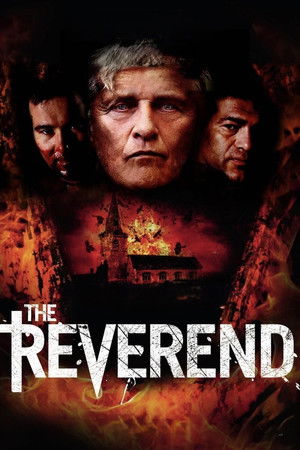


Fresh from seminary school, a new Reverend embarks on his first parish: A small, low-maintenance chapel based in the idyllic setting of a quiet country village. While on the surface the village seems to be a peaceful parish, with perfect residents, soon it becomes apparent that something more sinister lurks beneath the façade of a local businessman. On a wet, cold night, a mysterious girl visits the Reverend at the chapel. She is welcomed in warmly, but soon it becomes apparent that her visit is not for sanctuary but to deliver a message, a message in the form of a deep, bloody bite... Awoken with an unknown, uncontrollable thirst, the confused Reverend can't find any evidence of the girl from the night before. With nothing but his thirst and memory of the bite, the Reverend embarks on a mandate to clean up the village and the neighboring estate...by preaching or feasting.
A complex, realistic, and loving mother-daughter relationship is at the heart of this story about Black pageants and the fight for a better future.
With such a raw look at the 15th century, it seems that Disney was really trying to step outside of its element with this motion picture.
There’s enough evidence to insinuate that What We Do in the Shadows is intentionally queer-coded.
“Candyman ain't a 'he.’ Candyman is the whole damn hive." Candyman represents all Black victims of white supremacy, and this art form narratively conveys it in a succinct, adulatory way, the history of which is rare to find.
Audition should be on everyone's list of Greatest Horror Film. So I urge you to give it a watch. Maybe watch the last twenty minutes with your hands in front of your eyes.