Black And Loud: Afrocentric Films Everyone Should See
Looking for some Afro-centric entertainment? Check out these movies and immerse yourself in Black culture.



First let me start by acknowledging my lack of exposure to Nepali culture. I will do my best to approach this review with the appropriate respect and dignity.
From the very first scene, the film wastes no time outlining the journey we’re about to take. It punctuates a sexist, caste system which is an integral component of the plot. Although I didn’t quite understand all the cultural references I did appreciate the meaning behind them. This subtitled film is obviously meant for an audience well-versed in Eastern culture. Nonetheless, the production, actors’ performances and score provide balance to the experience. Unfortunately, it does take some time to orient yourself but it is well worth it.
The story centers around ‘Lila’(Polina Oli), who discovers her “shakti” or power after experiencing abuse from her art teacher, ‘Rabi’(Akash Nepali). She is a misunderstood, artistic pre-teen doing her best to navigate her parent’s divorce and a strict upbringing in the shadow of the caste system.
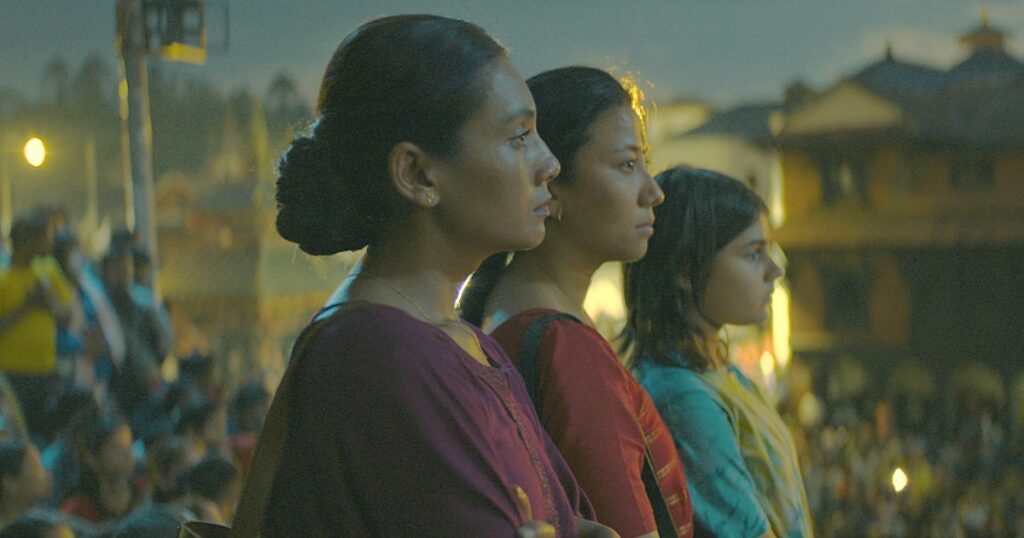
‘Lila’ lives with ‘Durga’(Laxmi Bardewa), her mother, and her aunt ‘Maya’(Menuka Pradhan), eking out a meager but adequate existence in Kathmandu. This dynamic is reminiscent of ‘Real Women Have Curves’ complete with miserable-mother vibes. ‘Durga’ and ‘Maya’ are disillusioned with their own lives in a restrictive culture and seem to be dragging ‘Lila’ down that same path.
After a short visit to a local art school ‘Lila’ begins one-on-one instruction with ’Rabi’ and it is initially a good experience, receiving positive feedback on her drawings. However, things take a dark turn when ‘Rabi’ starts to abuse ‘Lila’.
These scenes are tough to watch, as well they should be for anyone with a soul. While not graphic, it leaves the viewer to their own imagination about what is taking place. This is usually a technique in horror films and serves quite the same purpose here making it even more disturbing.
After becoming withdrawn and depressed, ‘Maya’ urges ‘Durga’ to take ‘Lila’ to see a Shaman(Sarita Giri). The way spiritualism/mysticism is regarded is refreshing. ‘Durga’ is skeptical but it feels like a common practice in their culture, like going to any medical specialist.
Since a doctor visit is inconclusive, ‘Durga’ decides to take ‘Maya’s’ advice. The Shaman seems unorthodox but the trip yields results. To the uninitiated mysticism can be disconcerting but in this case her conclusions are undeniable.
The Shaman finally uncovers what ‘Lila’ has been hiding and this sends ‘Durga’ on a tear. She wastes no time confronting ‘Rabi’, then, his father. When neither visit gives her satisfaction, she then entreats the local police to take action. Again, fruitless conversations. They advise her the statute of limitations has expired and they have no recourse without hard evidence.
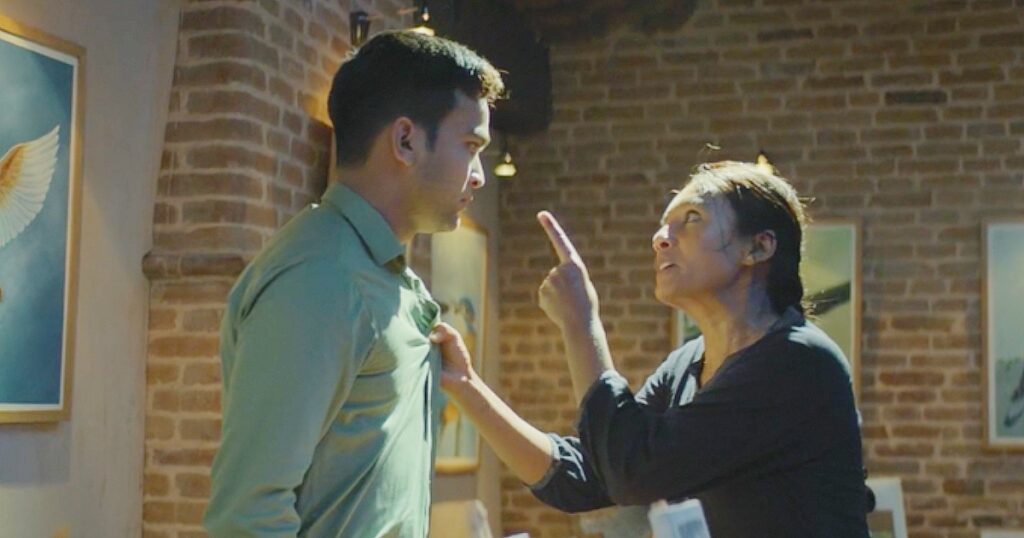
She finally talks to an activist (Riva Shakyra) who offers to add her daughter to a lawsuit involving other survivors of abuse. These revelations about ‘Lila’ bring up ‘Durga’s’ own childhood experiences which she divulges to ‘Maya’.
There isn’t the expected resolution to the film. There’s no courtroom drama or dramatic apprehension of ‘Rabi’. There is no montage of other survivors coming forward. I suppose this was the filmmakers suggestion of how these things play out in real life. Justice can be like catching a vapor, elusive and futile. The final scene is ‘Durga’ breaking the fourth wall and staring directly into the camera. Her gaze is meant to shake the viewer out of their apathy and challenge us to join the fight.
Another aspect of the movie that is equally metaphorical is the “establishing shots” which are primarily night scenes. Beside the literal beauty of the shimmering lights against the dark, they also serve to insinuate the light of justice poking through the veil of oppression felt around the world.
While writing this review it has become increasingly evident that this story could possibly be autobiographical. For some this may make the film more poignant. In any case, this is conceivably someone’s story. Even if the locale, names and faces are not familiar, this film raises awareness about an issue that should concern us all.