


Writing Great Villains: Why They Shouldn't Be Sympathetic
Writing great villains is about striking a balance between charming and evil, so we love them but also love to see them lose.
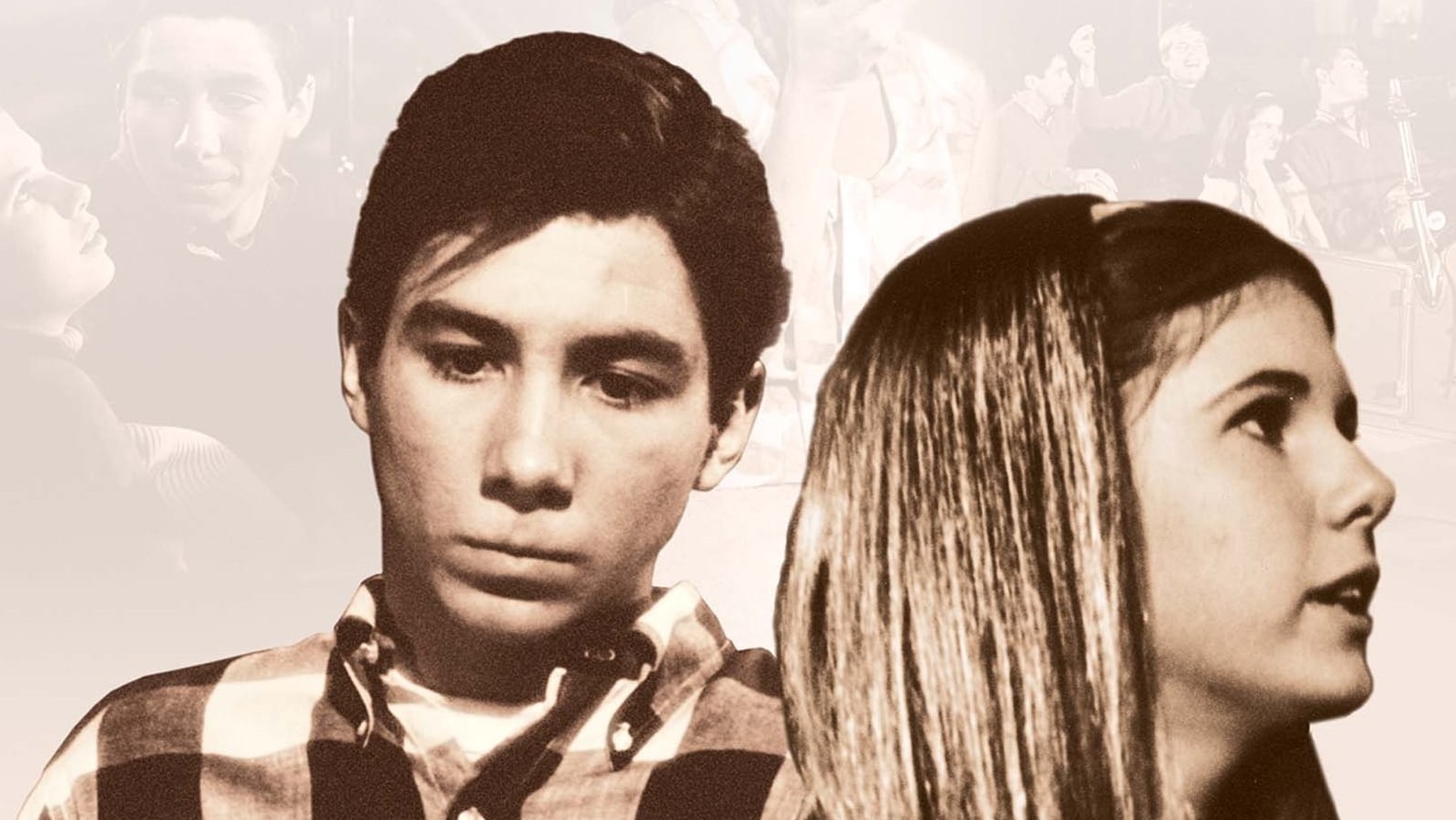
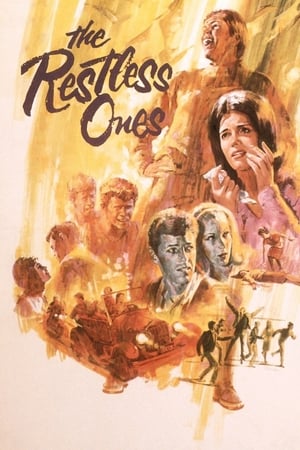


A reporter doing a story on a Christian pastor who ministers to troubled teens doesn't realize that his own son is getting mixed up with a disturbed young girl and that both of them are headed for trouble.
Writing great villains is about striking a balance between charming and evil, so we love them but also love to see them lose.
Stand and Deliver is an inspirational classic from 1988 starring Edward James Olmos as Jaime Escalante, and his class of rag tag students in East Los Angeles. It’s the story of how a new teacher shows a motley group of students in the inner city with backgrounds as gang members, dishwashers, and mechanics — the power of self-determination. He teaches the teenagers to believe in themselves through algebra and calculus.
Season 1 of Love, Victor ended on a major cliffhanger: Victor came out to his parents. He said the words “I’m gay” for the first time. Now what? Season 2 answers the question: “What happens after coming out?”
I think that the happiness and survival of "Wynonna Earp"’s LGBTQ+ characters is incredibly refreshing in contrast to the prevalence of queer suffering and death in other television.
Cinderella has been adapted many times over, with the latest adaptation from Amazon sparking controversy over its girlboss agenda. But what of diversity? We rank some of the most popular adaptations for diversity.
The character of Mulan is one of Disney’s best heroines. She’s brave, kicks butt, and has a kill count. What other Disney character has killed hundreds of Huns by crushing them with an avalanche? No one.