




Dug is the Real Hero of Disney/Pixar’s “Up”
"Up" features one of Pixar's few Asian-American heroes and explores the institutionalized hardships elderly people face. Also, Dug is a good boy.
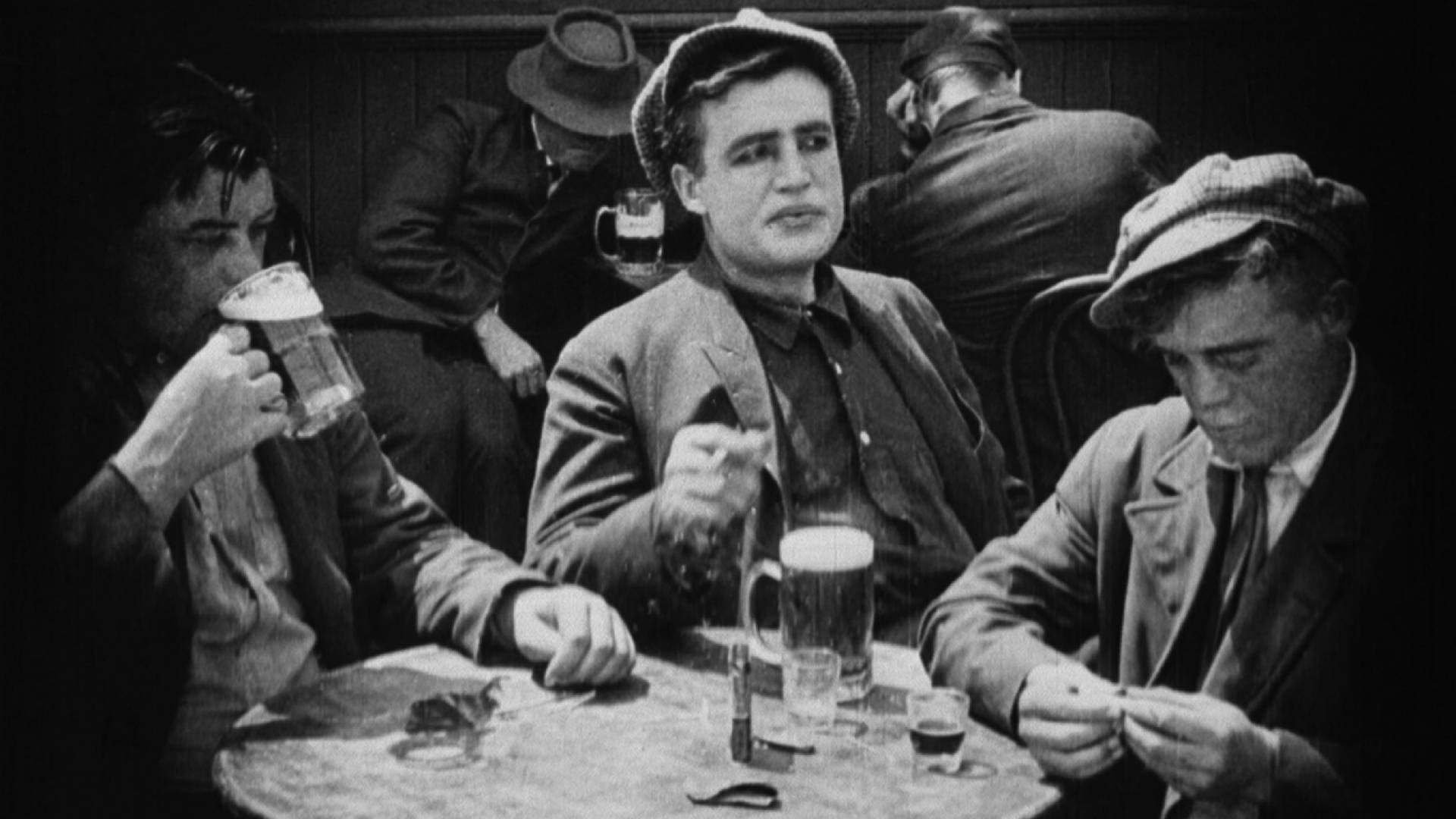



At 10 years old, Owen becomes a ragged orphan when his mother dies. Abusive next-door neighbors the Conways take him in, and by 17, Owen has learned that might is right. At 25, he's a career gangster: loitering, gambling and drinking in dens of iniquity. Marie Deering arrives in Owen's area, eager to empower the impoverished, gang-affiliated youth through education. Owen slowly but surely leaves his old life behind, choosing the narrow path- all the while falling in love with Marie. Skinny, who's taken over Owen's role in the gang, reappears to him, spelling trouble.
"Up" features one of Pixar's few Asian-American heroes and explores the institutionalized hardships elderly people face. Also, Dug is a good boy.
This 2022 Netflix Film starring Rebel Wilson delivers when it comes to comedy, but leaves you wishing there was something more.
Sorry to Bother You ultimately speaks to the unfair advantages that the country’s power structures award to those with the resources to control others, as Lift’s easy access to the media allows his opinion to be the only one that matters in the eyes of the unsuspecting and easily impressed public. Moreover, it reveals the extent to which the American Dream has any true validity. It postulates how the promise of success and fulfillment as promoted by the American Dream more often than not leads to the undoing of the individual. Interestingly, in its revealing of the American Dream as merely a facade, Sorry to Bother You wisely questions whether or not anything can really be done to undo a system that has been accepted and in action for centuries.
An apocalyptic tale captivates the nation as it teaches us to love even in the hardest situations.
'Playing with Fire' was clearly a film made for a kid or tween-ish audience. Keeping that in mind, I thought 'Playing with Fire' was alright, though it did portray some harmful stereotypes.