

'Hatching' - Social Media as the Modern Cardboard World
Hanna Bergholm's 'Hatching' shows us that the modern version of the cardboard world trope is social media.
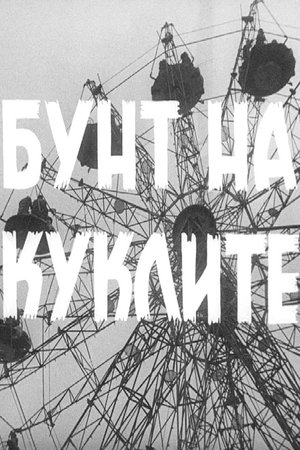


A wonderfully playful and symbolic manifestation of the spirit of childhood can be found in Dimitrie Osmanli’s short fiction debut. The film follows a little girl with her doll who meets a neighbourhood boy with his tank; after her doll is damaged we are invited into a surreal dream where dolls rise up against the boy and their face resembles the little girl he hurt. The rebellion of the dolls signifies a rebellion against the boy’s malice and essentially against his refusal to be like a child. The dream yields fruit: on waking up, the boy, grateful to be alive, has joy restored in his heart and runs to makes amends with the little girl. The Rebelion of the Dolls renders the concept of rebellion as an internal event: an uprising of the conscience against the spirit of cruelty and disobedience and as a lesson to the little boy shows true conscience restored in the spirit of gentleness.
Hanna Bergholm's 'Hatching' shows us that the modern version of the cardboard world trope is social media.
Treated like a granter of wishes for those earning out of retelling the same tragedy, Marilyn looks like she's caged in different stages of trauma for us to stare at, instead of someone we’ve finally allowed to rest in peace.
'Rag Tag' encompasses the diversity within the African Diaspora by showing London Nigerian men learning to regulate their emotions while navigating love and societal pressures.
With the theme of unemployment, it presents a family fantasy anecdote rather the a comment on social problems.
Hokum is an enjoyable horror film that will probably get a little under your skin, but it isn’t the tour de force that you might be expecting.
'A Wrinkle In Time' combines fantasy and science fiction to bring the classic story to life.