







Once Upon a Time in (White) Hollywood
Tarantino's alternative history of the 1960's uncritically repeats the era's sexist and racist stereotypes.
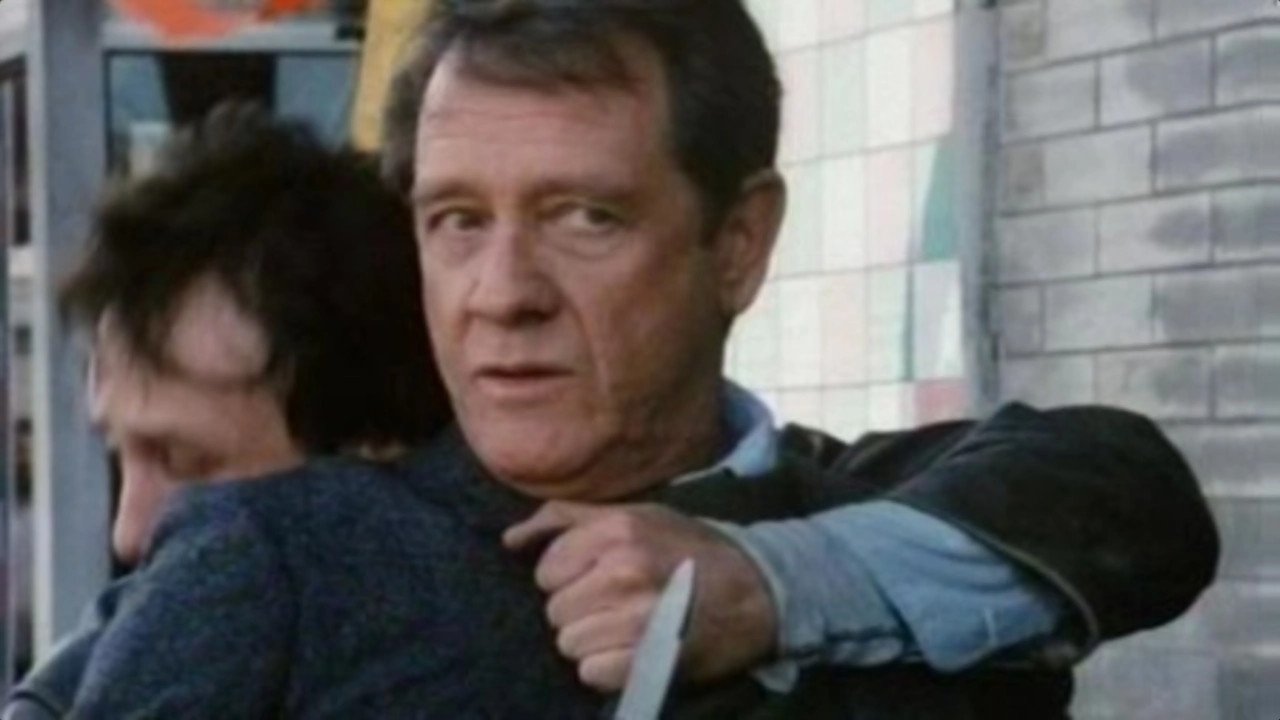



The tables turn for cynical police officer Richard Beck when he's viciously attacked by two homicidal crooks. Having never been empathetic toward the victims he's dealt with on a daily basis, Beck must now confront the tough system he was a part of. As he struggles to regain his status at work, he also must make sure those responsible for his attack are prosecuted.
Tarantino's alternative history of the 1960's uncritically repeats the era's sexist and racist stereotypes.
The film illustrates the life of a single who struggles to provide an ideal childhood for her two daughters.
We have a long way to go with LGBT representation in film, especially when it comes to LGBT characters of color and trans characters.
I was able to watch the gleefully mesmerizing Disney remake that was Robert Zemeckis’ Pinocchio. I was enthralled by Zemeckis’ iteration.
One of the reasons I love watching movies is that, much like books, they serve as windows into other times and different places. Productions from around the world offer valuable insights into the history and culture of their respective countries. And just like literature, cinema can help us understand the present by showing us the past.
Where is Lilo's face? Disney marketing sends a chilling signal: that even in 2025, an alien is more palatable and marketable than a brown girl.