


'Men' Disappoints with a Flat Examination of Misogyny
Despite its simple premise, “imagine being a woman,” the horror behind "Men" feels fueled by a hollow understanding of the insidiousness of misogyny.

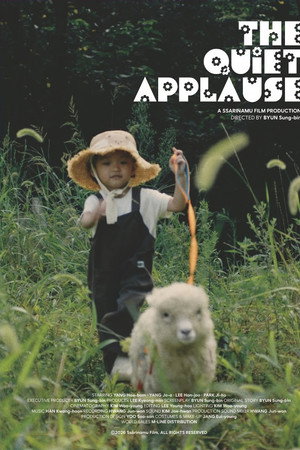


SONG San lives on a rural ranch, spending her days helping her father, Ki-yeol, tend to the sheep, and playing freely in nature. Although her life appears idyllic from the outside, she carries a quiet emptiness inside. She feels that her mother, Sun-hee, gives most of her attention to her older brother, SONG Pul, who has a disability. As her longing for her parents' undivided love grows stronger, San overhears her father considering whether to send Pul to a group home. From that moment on, she begins to devise a small, secret plan.
Despite its simple premise, “imagine being a woman,” the horror behind "Men" feels fueled by a hollow understanding of the insidiousness of misogyny.
The genres of science fiction and fantasy are not exclusively masculine territory. Over the last few decades, female directors have brought to the screen some of the most visually stunning, intellectually daring, and deeply moving works of speculative fiction. From big Hollywood productions like Wonder Woman and Captain Marvel to independent low-budget films, women filmmakers are making a name for themselves around the world.
There is no aspect of this film that falls short, except perhaps in minor ways.
Typically in film, characters suffering from mental illness are used as plot devices or exaggerated for comedy. 'The House that Jack Built's representation exceeds in accuracy and realism of OCD.
Poor Black characters are usually surrounded by crime and violence, while poor White characters are portrayed as noble and hard-working.