'Killers of the Flower Moon'(2023): A Beautiful Tragedy
This captivating film can only be truly appreciated by seeing it firsthand. There are not enough words to describe the terrible beauty one experiences while watching it.
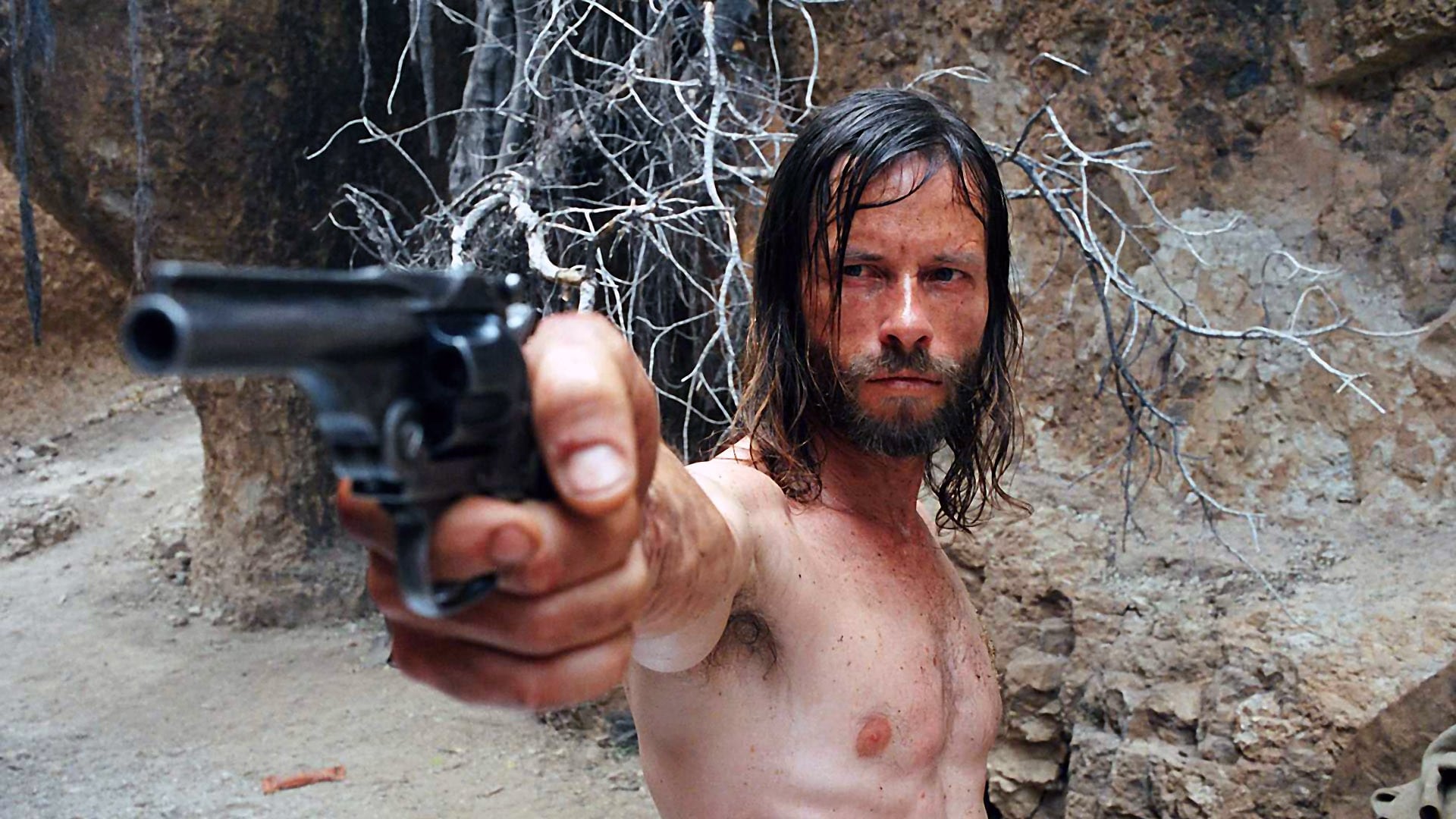



In 1880s Australia, a lawman offers renegade Charlie Burns a difficult choice. In order to save his younger brother from the gallows, Charlie must hunt down and kill his older brother, who is wanted for rape and murder. Venturing into one of the Outback's most inhospitable regions, Charlie faces a terrible moral dilemma that can end only in violence.
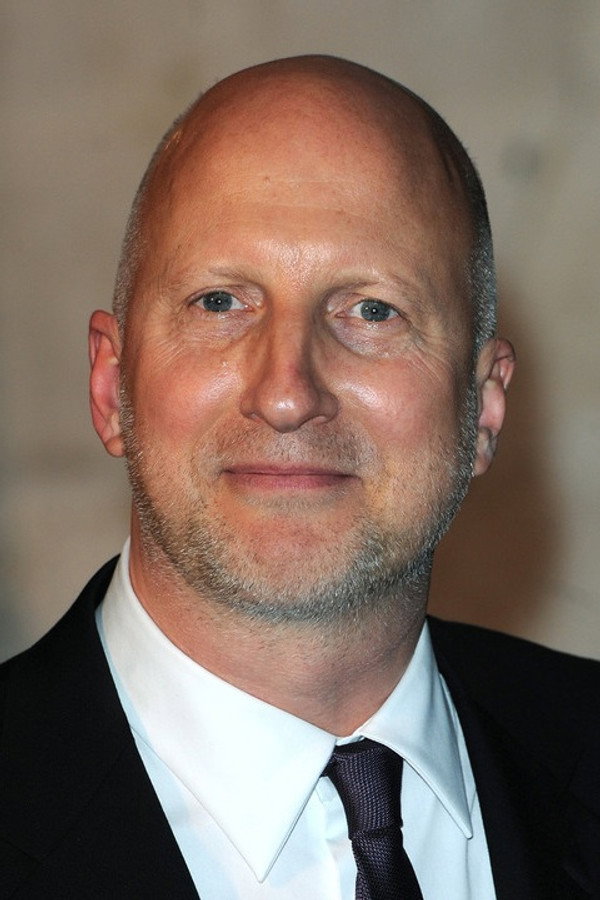
John Hillcoat
Director

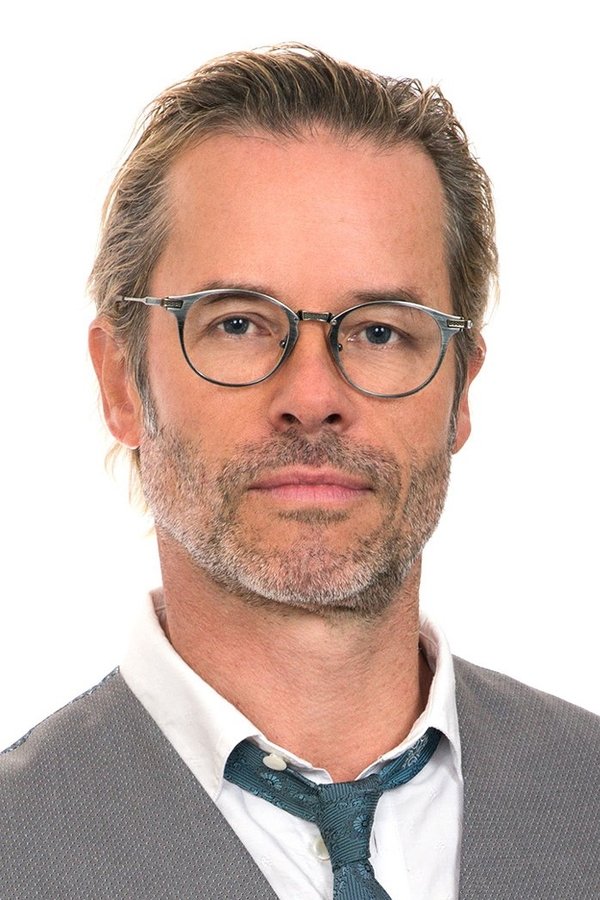
Guy Pearce
Charlie Burns

Ray Winstone
Captain Morris Stanley

Danny Huston
Arthur Burns
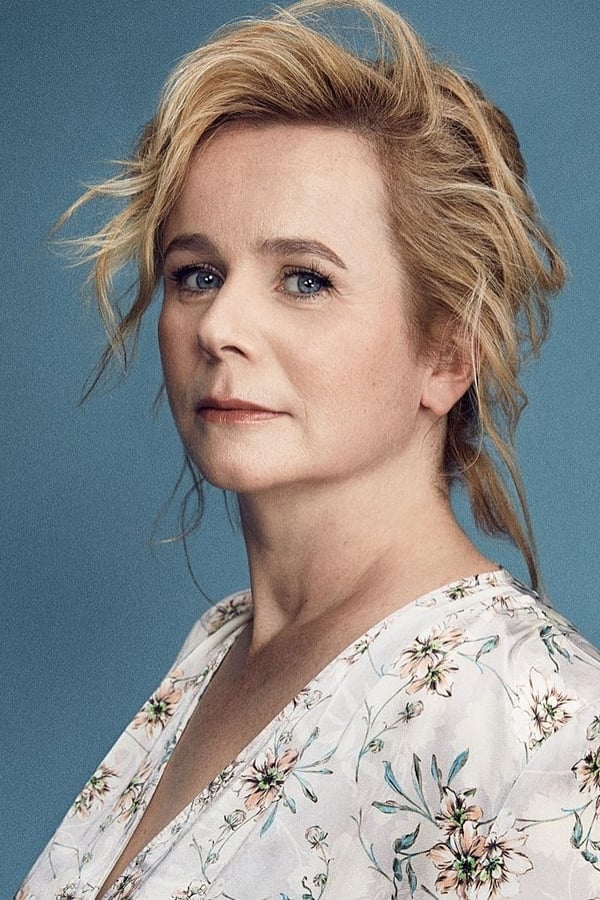
Emily Watson
Martha Stanley

David Wenham
Eden Fletcher

Richard Wilson
Mike Burns

John Hurt
Jellon Lamb

Noah Taylor
Brian O'Leary

Robert Morgan
Sergeant Lawrence
Jeremy Madrona
Asian Prostitute
Jae Mamuyac
Asian Prostitute
This captivating film can only be truly appreciated by seeing it firsthand. There are not enough words to describe the terrible beauty one experiences while watching it.
Now that we're officially halfway through Hispanic Heritage Month, let's look ahead at movies featuring Hispanic & Latine representation through the rest of 2021.
Throughout Brendan Fraser’s career, he has played a plethora of unique, layered characters who explore the importance of not being afraid to display your emotions, something that is often seen to not be a masculine trait. This idea of regulating emotion and what traits men are able to possess creates a toxic atmosphere for men who are often told they should not cry or represent their emotions in any physical way. These characters represent that men can be joyful, emotionally conscious, and sensitive, while also representing their masculine identity instead of painting those qualities as fighting against their masculinity.
Considering the runtime, I expected each scene to hit harder as opposed to a series of montages and vignettes.
The film may be a thriller, but I wasn’t thrilled by it. If anything, I was bored and annoyed.
One thing’s for certain: Holmes has star power. We may not be able to see everything, but we’re certainly all watching.