Finding Your Inner Soul and Self in Rip Tide
Rip Tide is a coming-of-age film that teaches viewers about finding yourself and reconnecting with surroundings.




Denmark, 1755. Captain Ludvig Kahlen sets out to conquer a Danish heath reputed to be uncultivable, with an impossible goal: to establish a colony in the name of the king, in exchange for a royal title. A single-minded ambition that the ruthless lord of the region will relentlessly seek to put down. Kahlen's fate hangs in the balance: will his endevours bring him wealth and honour, or cost him his life...?
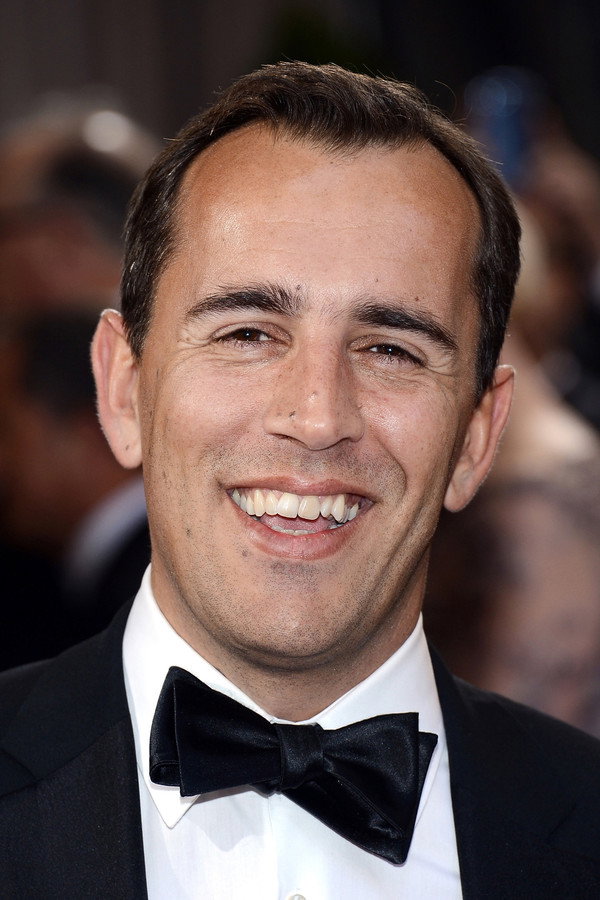
Nikolaj Arcel
Director

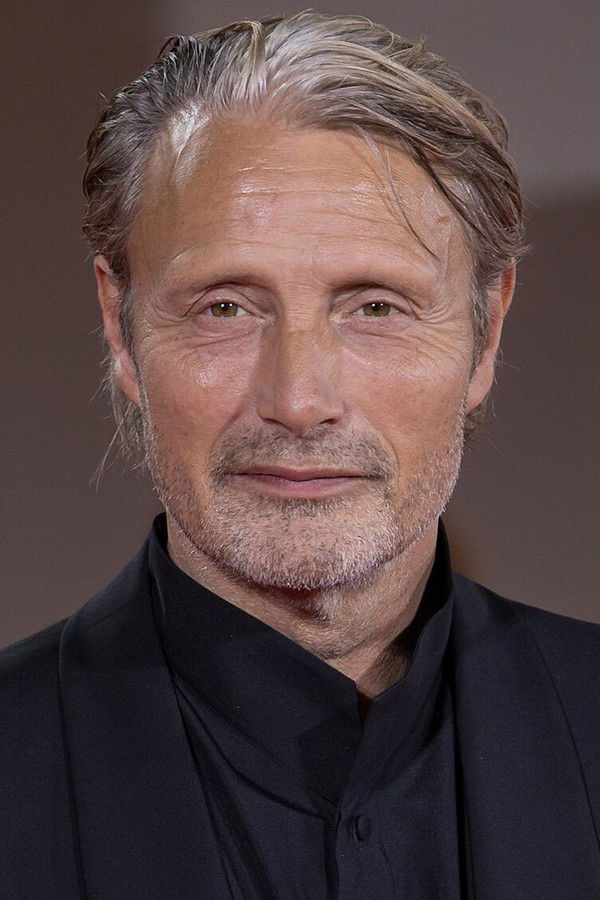
Mads Mikkelsen
Ludvig Kahlen

Amanda Collin
Ann Barbara
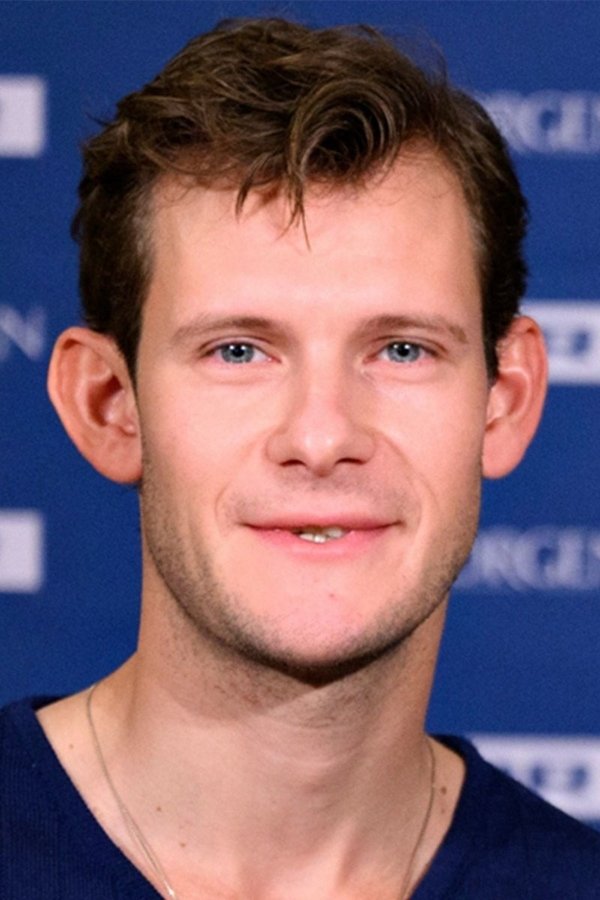
Simon Bennebjerg
Frederik de Schinkel
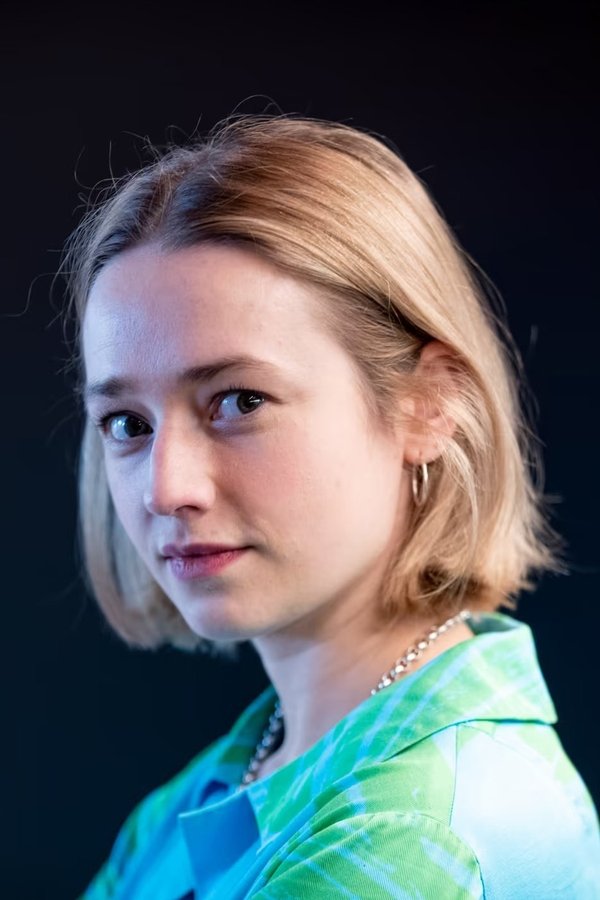
Kristine Kujath Thorp
Edel Helene
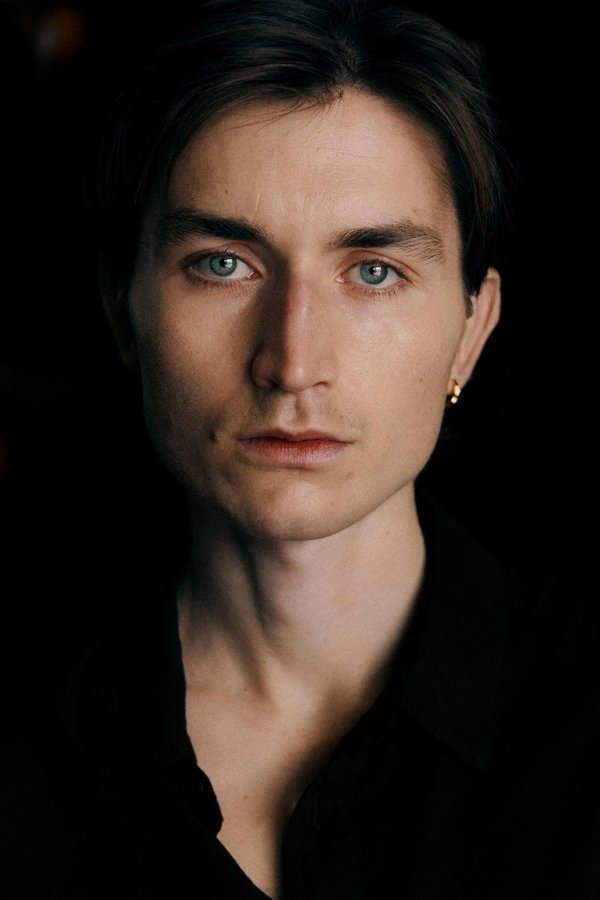
Gustav Lindh
Anton Eklund
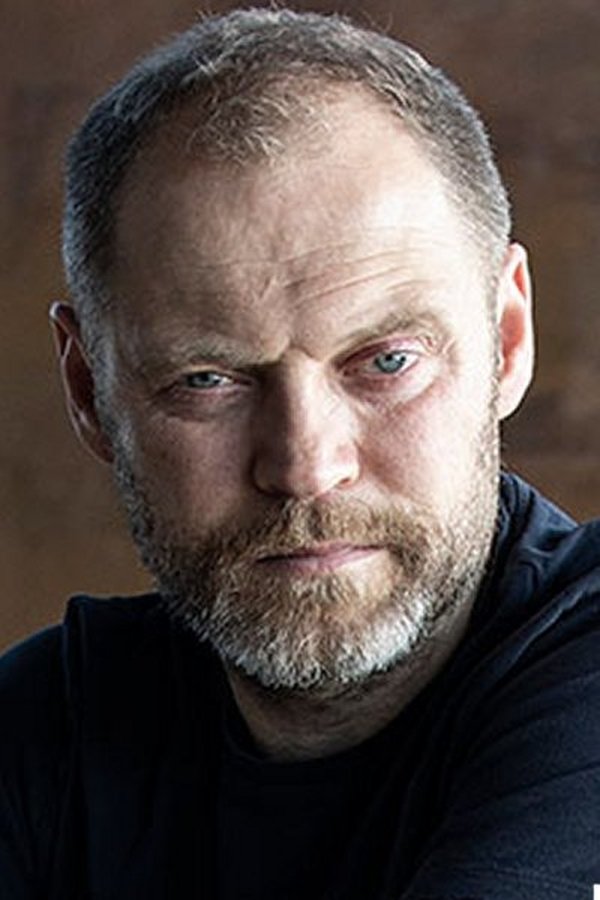
Jacob Lohmann
Trappaud

Morten Hee Andersen
Johannes Eriksen

Magnus Krepper
Hector
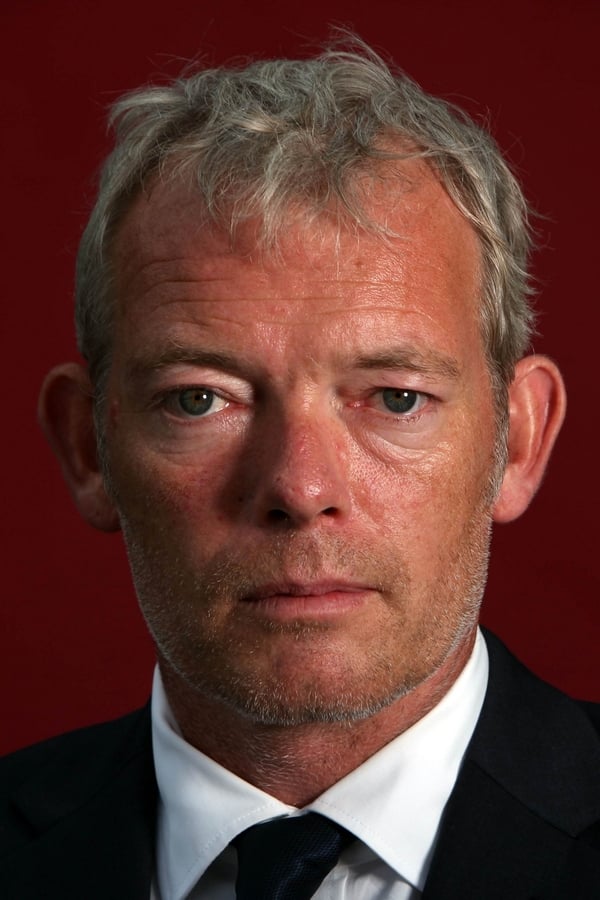
Søren Malling
Paulli

Morten Burian
Lauenfeldt
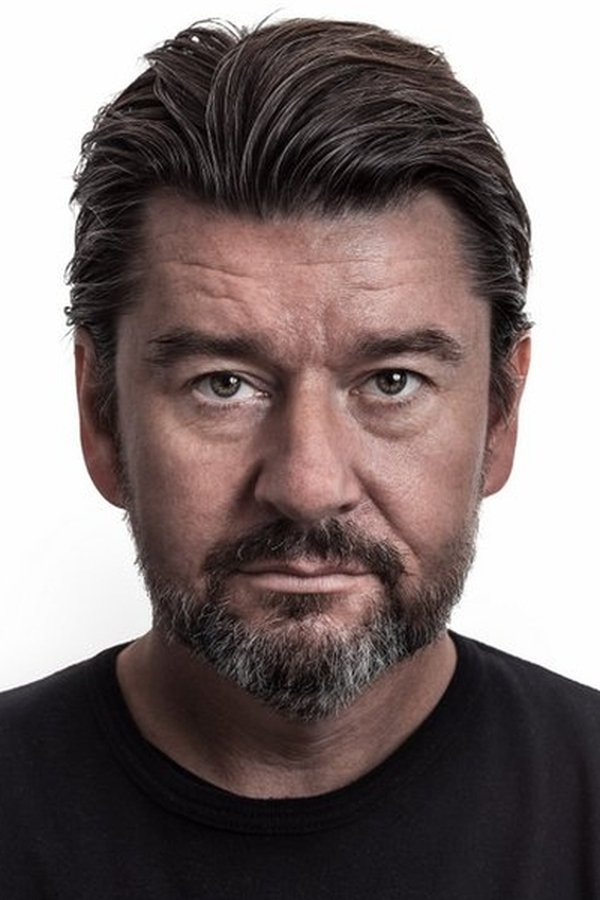
Thomas W. Gabrielsson
Bondo
Rip Tide is a coming-of-age film that teaches viewers about finding yourself and reconnecting with surroundings.
This inspiring true story falls nothing short of filling the audience with a passion to strive for their wildest dreams.
Horse racing is a very difficult sport and challenge, especially for a young woman like Michelle Payne.
Even now, the well-established Snyder has yet to learn this as he continues to allow misguided decisions to convince him that his projects hold the same kind of intelligent and emotional weight. Army of the Dead is a tonal mess, one that never decides what it’s trying to be, and, for all we know, doesn’t want to decide.
Even with its straightforward premise, “Richard Jewell” is ramped up by exceptional drama. In all honesty, the performances are out of this world. As Jewell, Paul Walter Hauser becomes a walking representation of gullibility. His bumbling antics create the perfect hero, and very quickly, we feel the societal heat that surrounds our protagonists.
With The Father, writer-director Florian Zeller- who wrote and developed the play upon which the film is based- pulls no punches as he confidently makes every effort to put the audience in the mind of someone whose grip on reality has all but vanished. It’s a dazzling testament to Zeller’s abilities as a director as he makes his first transition from stage to film appear as if he’s been working behind a camera his entire career. The dialogue he fashions with co-writer Christopher Hampton, along with the work of production designers Peter Francis and Cathy Featherstone, collectively makes the downward spiral of dementia startlingly tangible, doing so in a way that can be comprehended by everyone except the person it directly affects.