
Not So ‘Brand New’ Cherry Flavor
The fun tricks used in the production design and lighting read extremely well on-screen but hardly fulfill their purpose of trying to inject glamour into a lack-luster story with nothing to say.
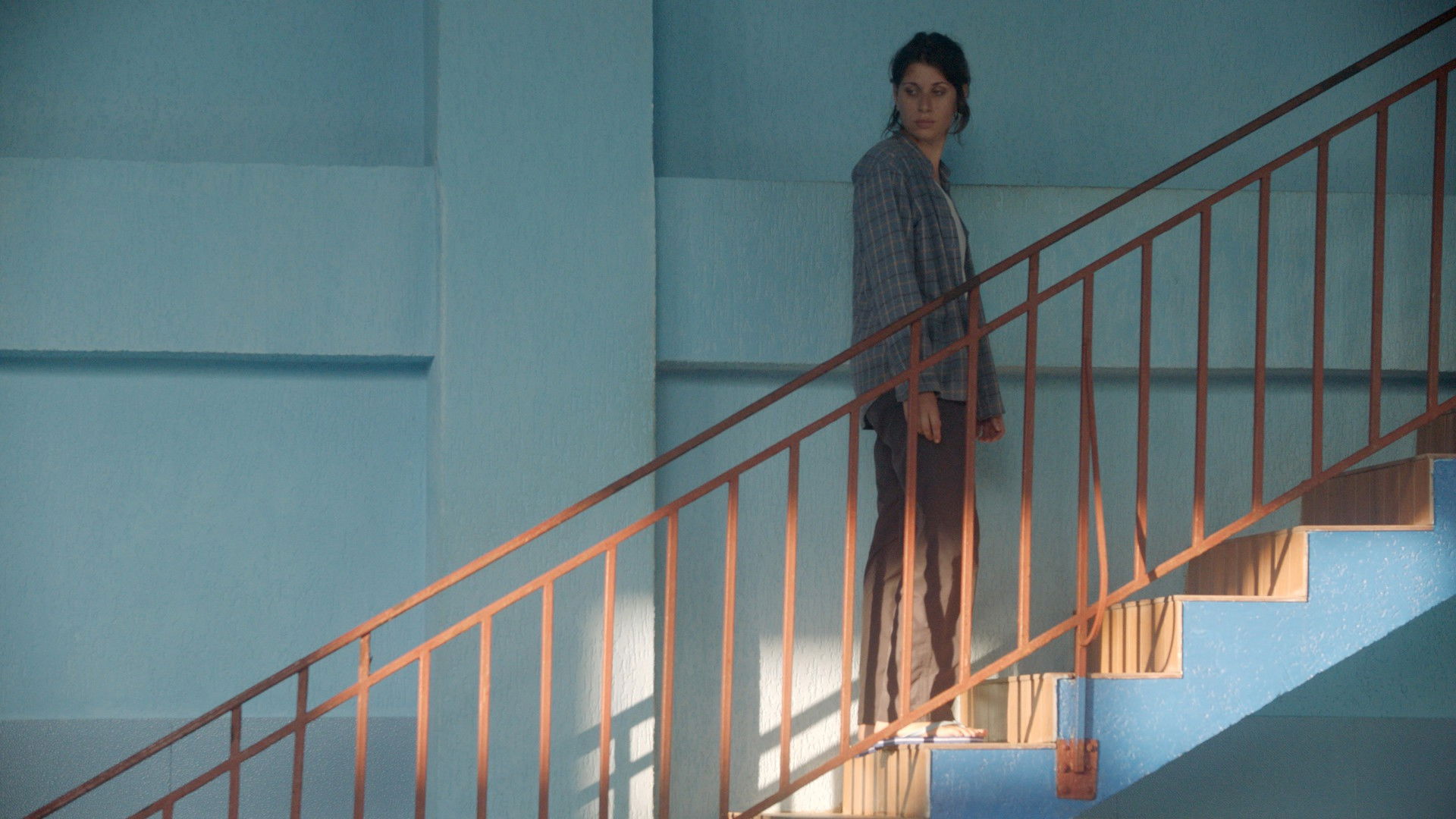
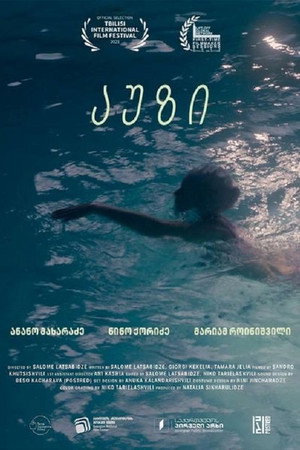


In a hauntingly beautiful town, permeated with the remains from the past, a young woman and her daughter arrive at night to meet the woman’s mother. A few days of their stay in a timeworn hotel are filled with a sense of anticipation, uncertainty and uneasiness, as they share intimate moments or find themselves in potentially dangerous situations. Tense meeting in the flooded room where the child sees her grandmother for the first time hints at the unhealed emotional wound from the past. Impossibility of their connection is reflected in the child’s gaze. Swimming in the pool seems to be the only thing the young woman shares with her mother.
The fun tricks used in the production design and lighting read extremely well on-screen but hardly fulfill their purpose of trying to inject glamour into a lack-luster story with nothing to say.
There were too many irrelevant parts that could have been shortened, and too many characters that didn't advance the plot. Either way, some things didn't add up. This was just another played out plot with little, if any, originality in it. By the end of the film, I wasn't happy that she finally got her freedom, I was happy that it was finally over.
Overall, Lee Cronin’s The Mummy is plagued by numerous flaws, both from a quality and from a diversity standpoint. The film relies on gore and loud sounds to drown out its flat script, flatter dialogue, and one-dimensional characters.
A surprise sequel takes place ten years after the original movie based on the title of the same name, but with a twist to the fairy tale.
Can a piece of bad representation truly be reclaimed? We Are Pat (2025) attempts to answer this question.
Ripley is a great character because she serves two distinct, but rewarding, purposes in the original film and the sequel.