'No One Will Save You'
Explore the tension between director intention and viewer interpretation in this review of the excellent sci-fi horror of 'No One Will Save You.'
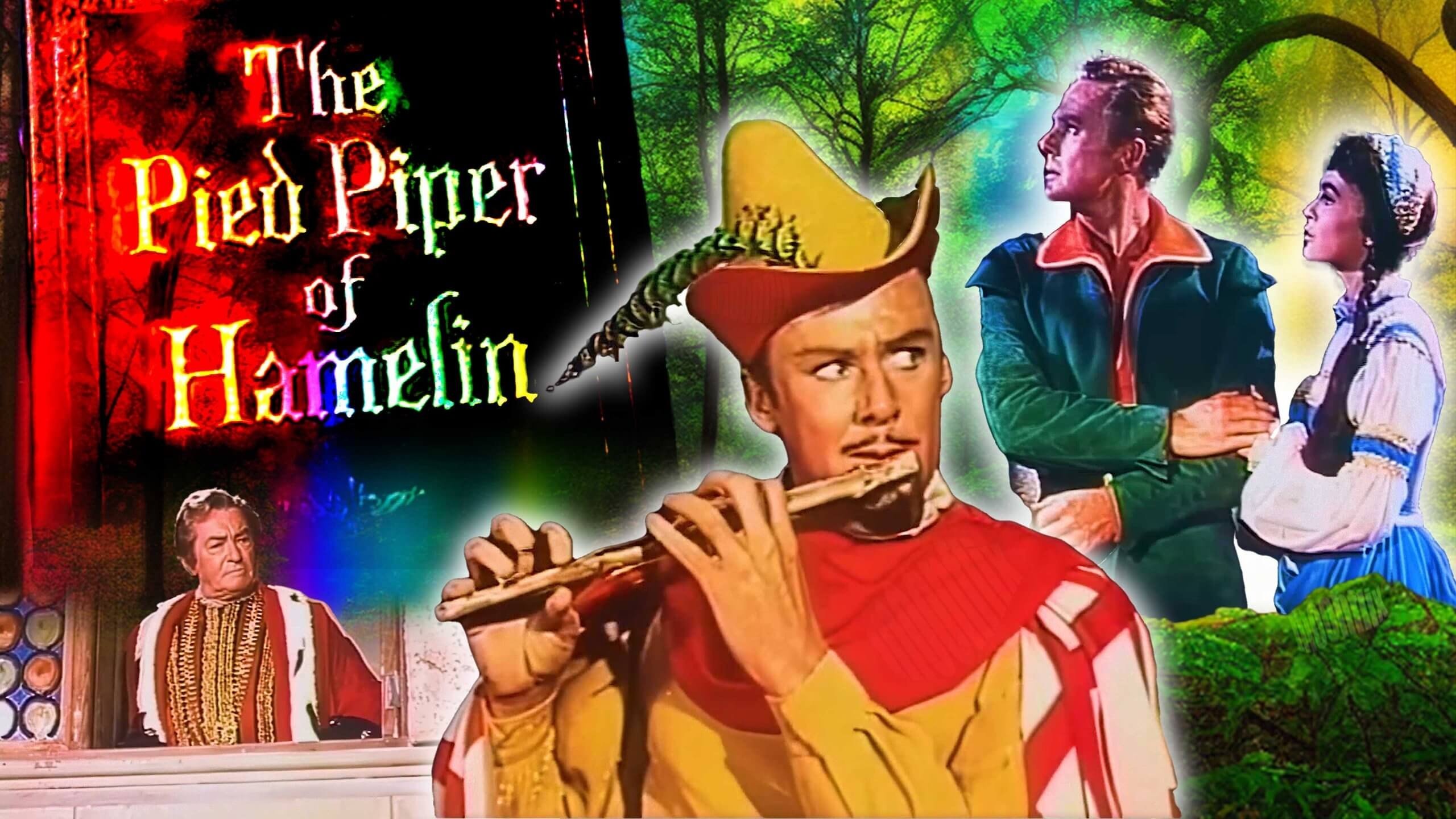
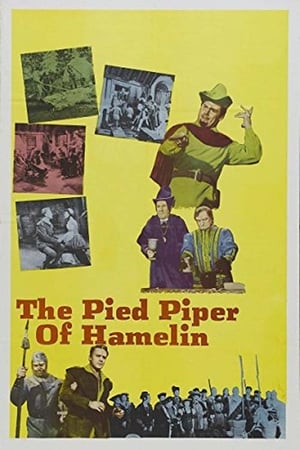


The singing, rhyming citizens of Hamelin hope to win a competition with rival towns for royal recognition. To this end, the mayor outlaws play (which is a bit hard on the children) and refuses to help a rival town when it's flooded. But rats (seen only as shadows), fleeing the flood, invade Hamelin in droves; a magical piper, whose music only children (and rats) can hear, strikes a bargain...which, once the rats are gone, the Mayor and council renege on, to their subsequent regret.

Bretaigne Windust
Director

Van Johnson
Pied Piper / Truson
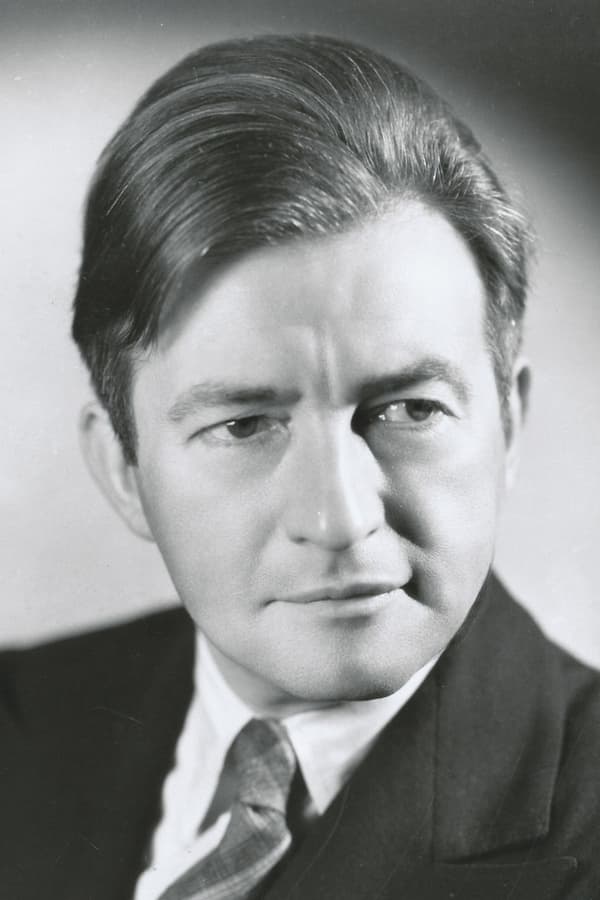
Claude Rains
Mayor of Hamelin

Lori Nelson
Mara
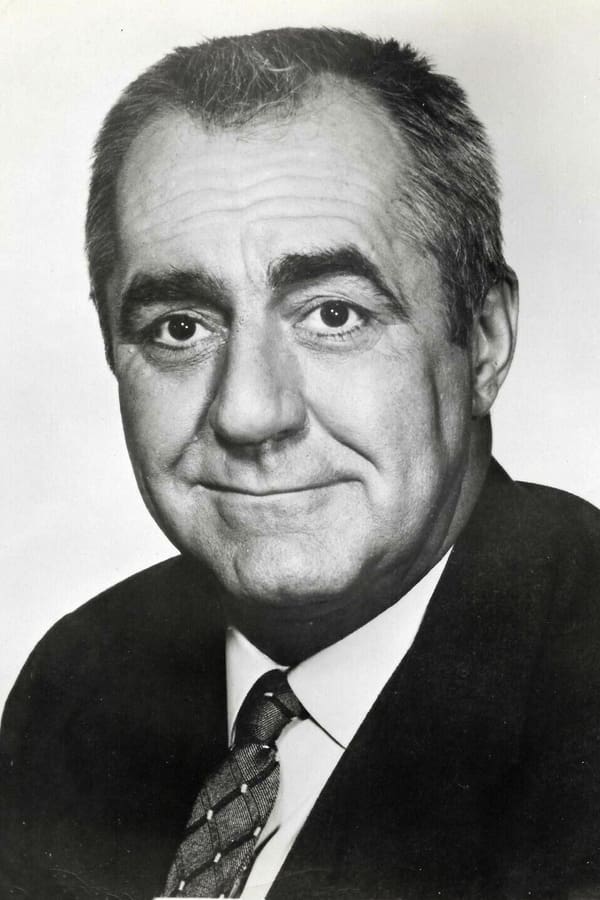
Jim Backus
King's Emissary

Kay Starr
John's Mother
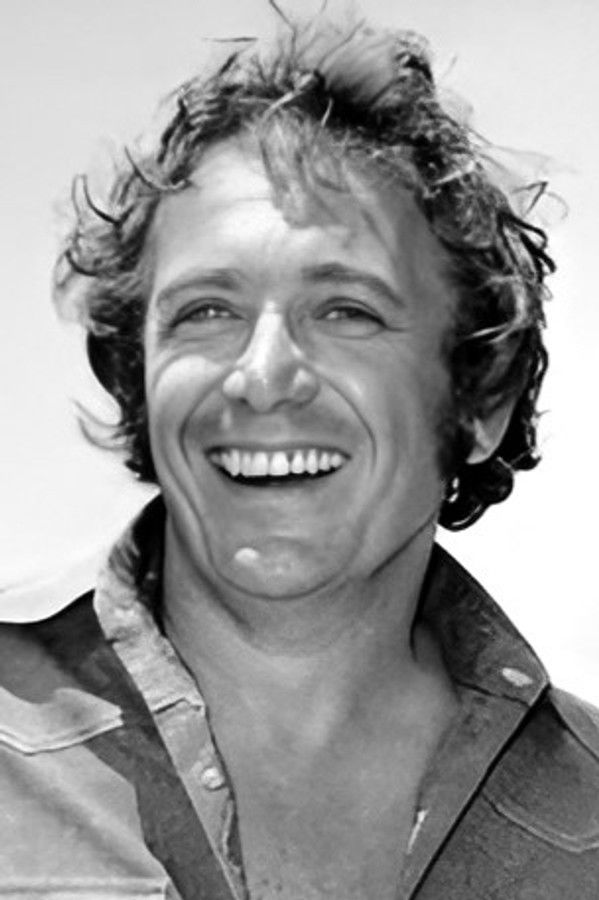
Joseph Sargent
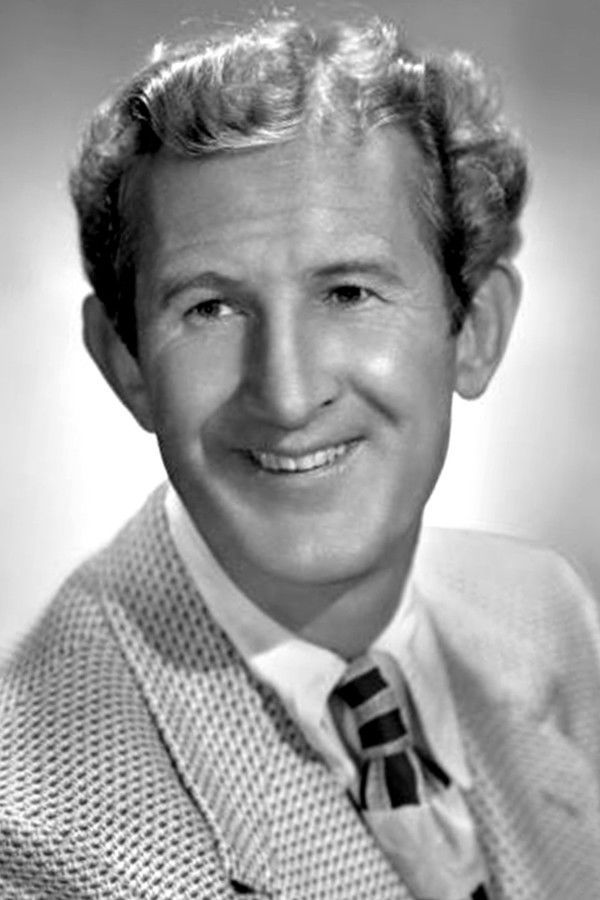
Doodles Weaver
First Counselor (uncredited)
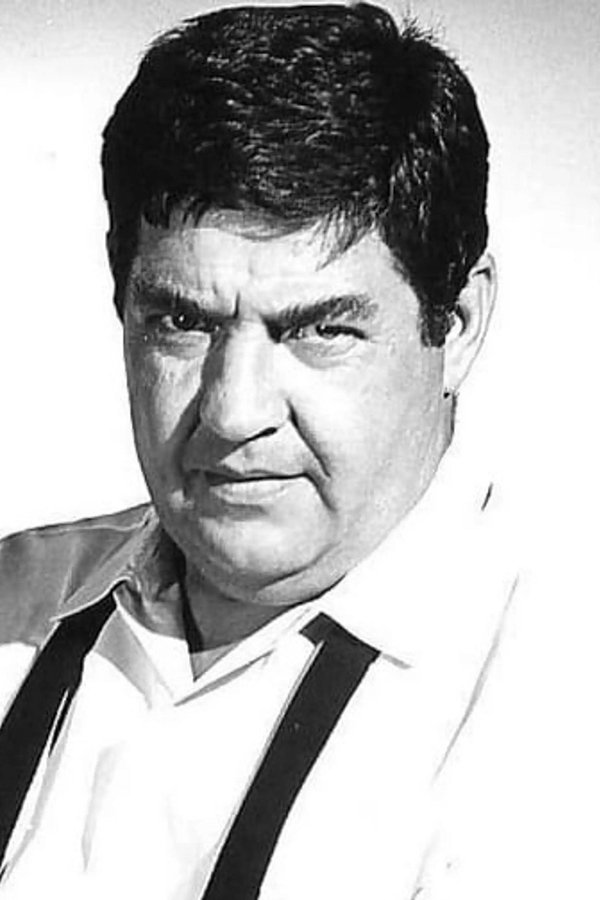
Stanley Adams
Second Counselor (uncredited)
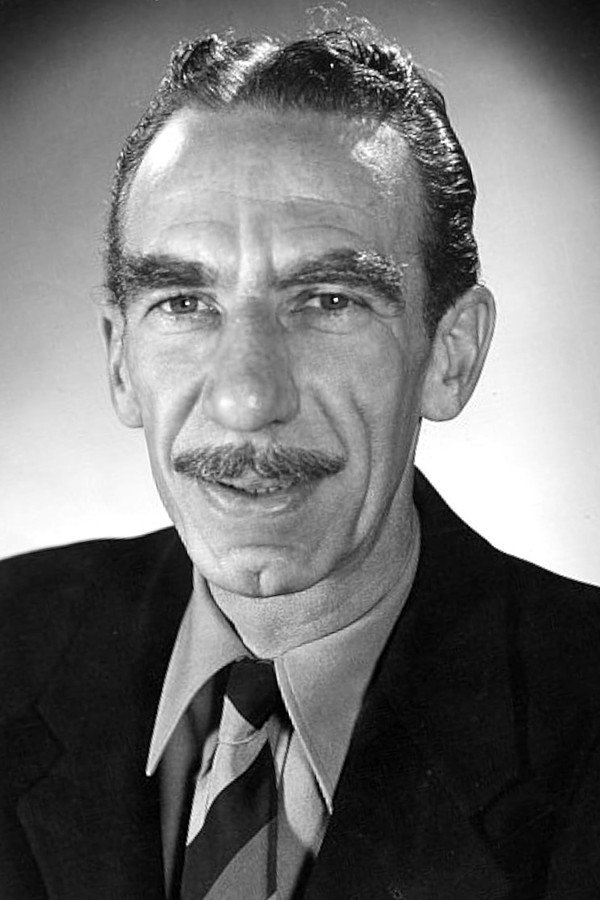
Oliver Blake
Leading Citizen (uncredited)
Rene Kroper
Paul (uncredited)
William H. O'Brien
Townsman (uncredited)
Explore the tension between director intention and viewer interpretation in this review of the excellent sci-fi horror of 'No One Will Save You.'
Ever since the mid-’90s, the Mortal Kombat game franchise has seen multiple attempts to make it on the big screen, or at least adapted into other media.
The original series is now on Netflix, you should definitely give it a watch. And if you’ve already seen it, watch it again.
Sorry to Bother You ultimately speaks to the unfair advantages that the country’s power structures award to those with the resources to control others, as Lift’s easy access to the media allows his opinion to be the only one that matters in the eyes of the unsuspecting and easily impressed public. Moreover, it reveals the extent to which the American Dream has any true validity. It postulates how the promise of success and fulfillment as promoted by the American Dream more often than not leads to the undoing of the individual. Interestingly, in its revealing of the American Dream as merely a facade, Sorry to Bother You wisely questions whether or not anything can really be done to undo a system that has been accepted and in action for centuries.
While the director didn't set out to make a feminist film, "A Girl Walks Home Alone At Night" reads as a reclamation of female power in a patriarchal society.
This story solidified my choices to consume a more plant-based diet and nearly made me cancel my subscriptions to big corporations like Amazon. The narrative was perfectly crafted and on par with Bong Joon-Ho’s other major works; Parasite and Snowpiercer.