




What We Do in the Shadows (of Our Closet Walls)
There’s enough evidence to insinuate that What We Do in the Shadows is intentionally queer-coded.




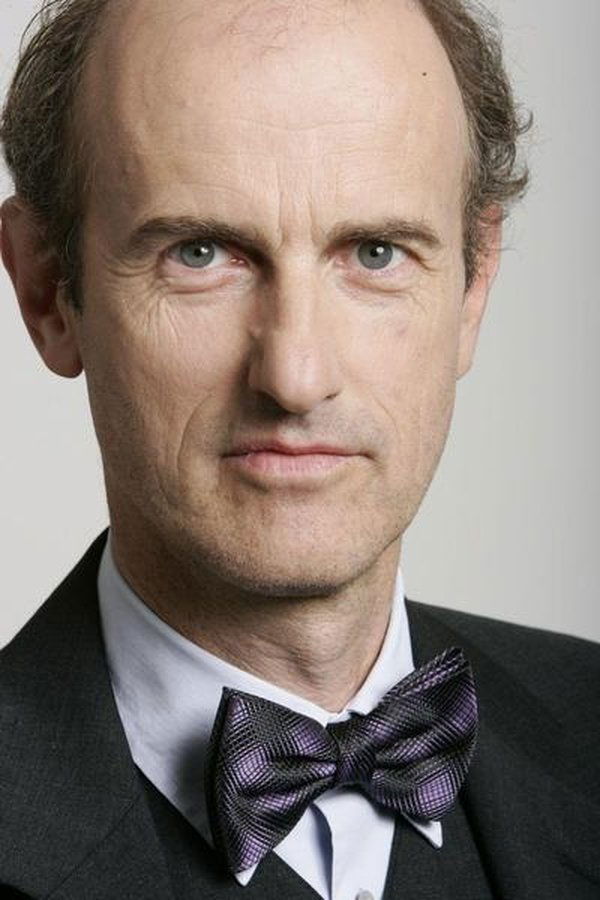
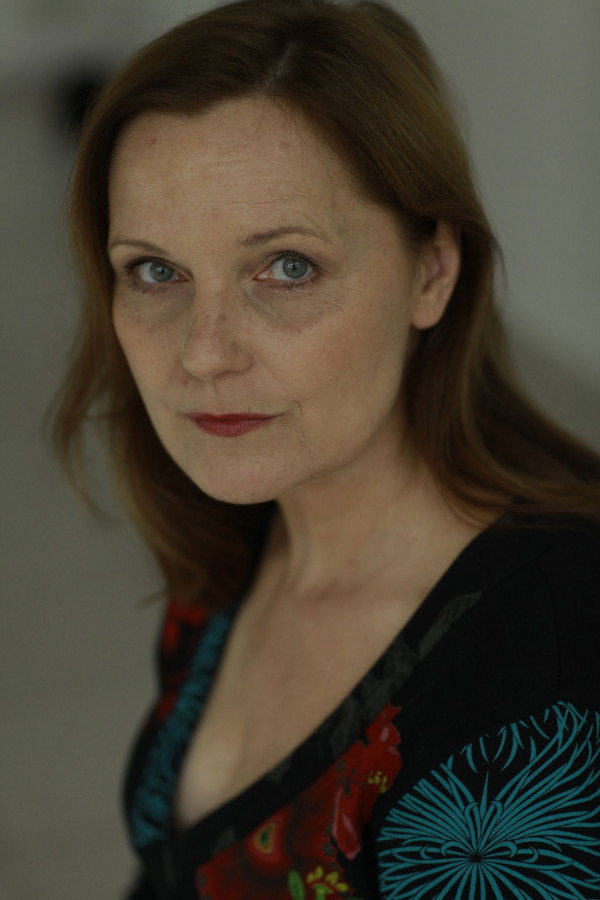
The obscure philosopher Georg Hermes almost withdrew from the world to concentrate on his studies, especially Heraclitus, having no relationship since his mother's death. When he wants a new suit for a lecture (actually very minor) about his new book, he meets the sisters Franziska, Breate and Marthe, who run a boutique, share a house and have a lover each. Those invite Georg to dinner, Franziska even on dates. Falling off a boat he gets naked with her, and they become lovers. The girls all take to Hermes and get him to move in, spoiled by all and offered polygamy.
There’s enough evidence to insinuate that What We Do in the Shadows is intentionally queer-coded.
Poor Black characters are usually surrounded by crime and violence, while poor White characters are portrayed as noble and hard-working.
In a world where we hear ringers and beepers at every corner, technology feels inescapable. This is why technology is often an enemy in Digital J-horrors, like One Missed Call.
Why did Māhū, a term once respected in Hawaiian culture, become so controversial?
Marvel's Moon Girl and Devil Dinosaur shine as they battle their way through supervillains, social issues, and school bullies on the Lower East Side. Moon girl magic in the moonlight! A must-see for all Marvel and fantasy/science fiction fans.
This film manages to be simultaneously topical and timeless. Without being preachy, it highlights society’s flawed relationship with tech; insights into the complex ideas of family struggle are expertly dispersed among a perfectly paced and balanced story.