
The Ghost (2023)
Two Korean sisters must save their family after a ghost tears the family apart.
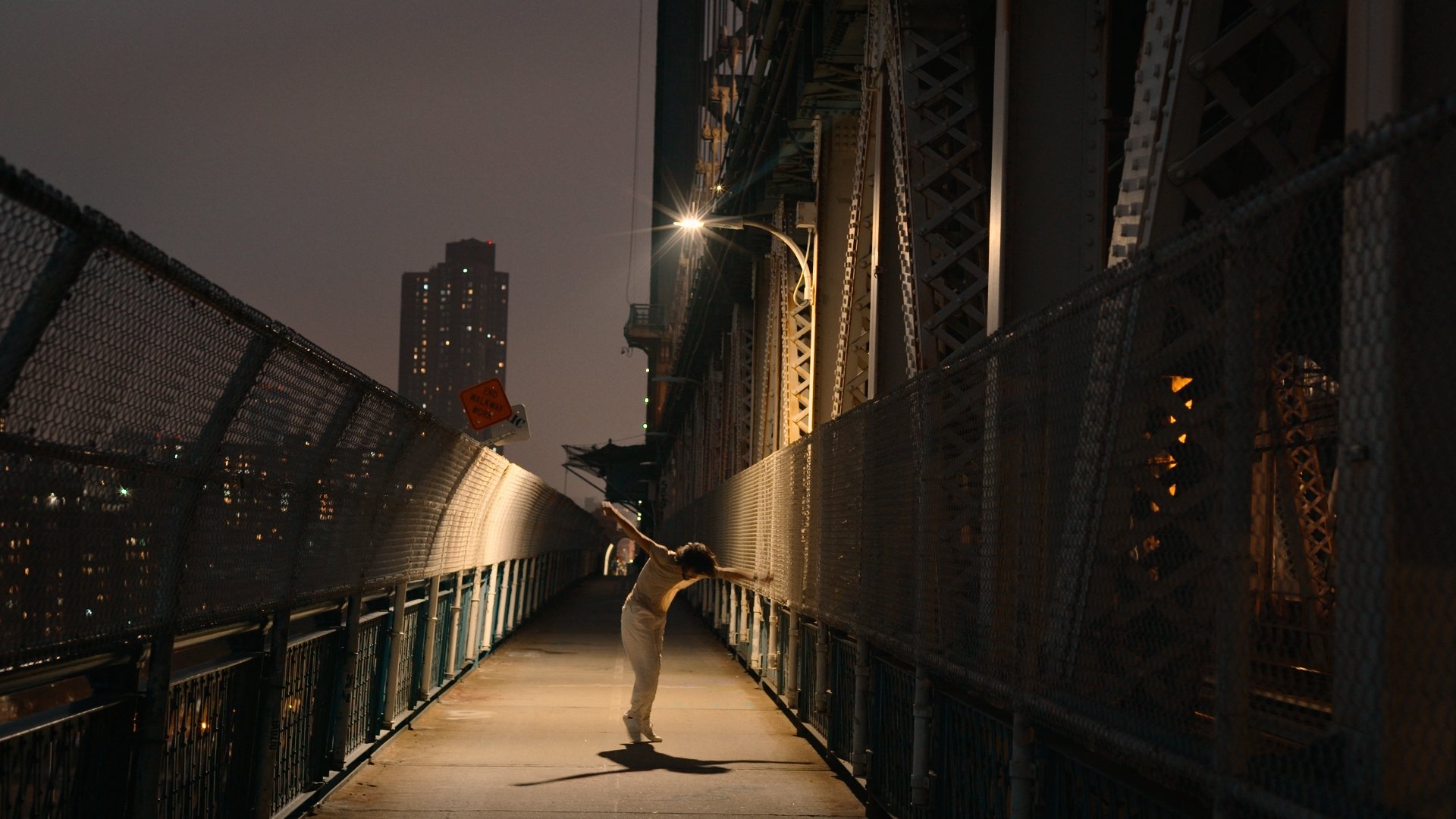



Hussein learnt to breakdance from a soldier in Iraq as a kid, then chased his American Dream to NYC. Now a choreographer, he mistakes a shot at success for a breakthrough and loses everything, but will do whatever it takes to keep dreaming.
Two Korean sisters must save their family after a ghost tears the family apart.
Taika Waititi writes, directs and co-stars in 'Boy', set in 1984 New Zealand. The film does just what Waititi dreamed of — it gave a great coming-of-age story to Māori people without making a story of the Māori people as an exotic other.
While the film didn’t hit me as emotionally as I wanted it to, I still enjoyed it. I simply wish there was a little more, particularly with the world building.
The relationship between the characters is what makes this film stand out, and it’s just all-around fun.
A high-octane spy thriller where Hrithik Roshan and Jr NTR’s clash brings explosive action, stylish direction, and emotional depth. Here’s my take on what makes it a must-watch in the YRF Spy Universe.
Another uneven "Guess Who's Coming to Dinner" redux that says nothing novel about its subject matter.