What Sinners Gets Right About Family, Fear, and the Fight to Stay Human
The quiet ache of guilt sitting at the dinner table, the silence after a truth is buried, and the way pain is passed down like a name.
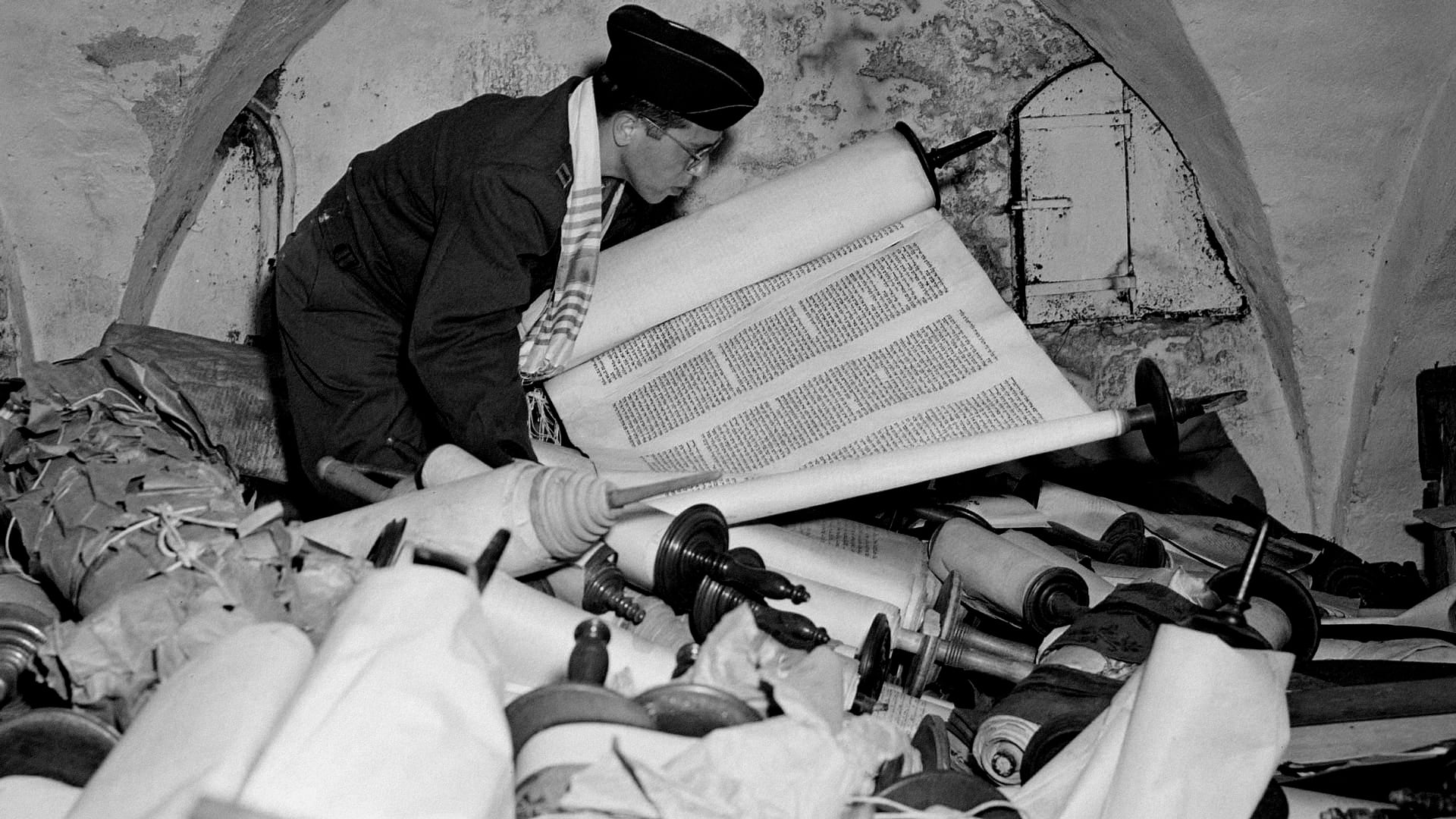
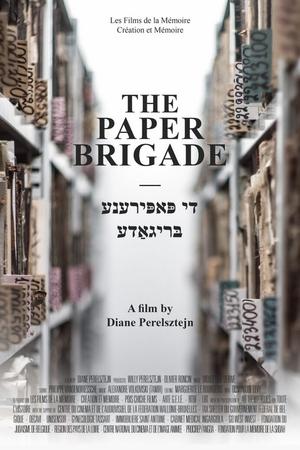


Lithuania, 1941, during World War II. Hundreds of thousands of texts on Jewish culture, stolen by the Germans, are gathered in Vilnius to be classified, either to be stored or to be destroyed. A group of Jewish scholars and writers, commissioned by the invaders to carry out the sorting operations, but reluctant to collaborate and determined to save their legacy, hide many books in the ghetto where they are confined. This is the epic story of the Paper Brigade.

Diane Perelsztejn
Director
Dominique Lévy
Self - Narrator (voice)

Eva Mattes
Self - Narrator (voice)
Samuel Bak
Self - Painter
Bernard Suchecky
Self - Historian
Yonat Rotbein
Self - Ruszka Korczak's Daughter
Youval Louria
Self - Z. Kalmanovich's Grandson
David E. Fishman
Self - Historian
Hadas Kalderon
Self - Actress
Liliana Cordova Kaczerginski
Self - Political Activist
Alexander Tamir
Self - Musician
Itzik N. Gottesman
Self - Yiddish Culture Scholar
The quiet ache of guilt sitting at the dinner table, the silence after a truth is buried, and the way pain is passed down like a name.
"Be good. It doesn’t mean you can’t be tough. It doesn’t mean you always have to be nice. Just be good."
This film was filled with great plot points. Unfortunately, they all contradicted each other and clashed. Had the premise of Awake been more consistent and accurately portrayed the real world aspect, I think this could have been an extreme success.
Gretel & Hansel falters due to its razor thin story and lack of characterization. It loses sight of horror’s key rule: In order to create an effective tale, characters and emotions must be emphasized.
Ultimately, Wicked is a story about the cost of being othered, the pain of being misnamed, and the quiet revolution of standing in your truth.
"THANK YOU, Zach Creggar!" Back in 2022, this now established star in the horror film genre gave us the quirkily creepy, unexpectedly funny (at times!) cinematic gem that was "Barbarian". It felt like a cool breeze just washed over us as, for ONCE, the much traversed roads these films tend to go with got an upgrade of uniqueness without sacrificing the ambiance of uneasiness you desire.