Avatar: The Last Airbender Both Protests and Embodies Colonialism
Avatar: The Last Airbender's success fifteen years after its premiere proves the enduring power of its storytelling. But it's more than just a quality show.

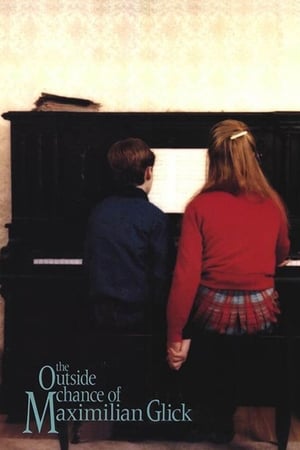


The early 1960s: In preparation for his Bar Mitzvah, a Jewish boy, Max Glick (Noam Zylberman) from a small Manitoba community with an overbearing family tries to navigate his coming-of-age with his family's condescension and bigotry using his sarcastic, Jewish humour. The town's rabbi dies, and a sub-plot develops in which Max's father (Aaron Schwartz) and grandfather (Jan Rubes)-both synagogue leaders-are saddled with a traditional Hassidic rabbi who sticks out like a sore thumb among the otherwise assimilated Jewish community. To make matters more difficult, Max likes a Catholic girl (14 year old Fairuza Baulk in just her third film), whom he later competes with in a piano competition. The quirky, fun-loving rabbi tries to help him with his problems, yet harbours a secret ambition of his own. Filmed in Winnipeg and rural Beausejour, Manitoba, Canada.

Allan A. Goldstein
Director
Noam Zylberman
Maximilian Glick

Fairuza Balk
Celia Brzjinski
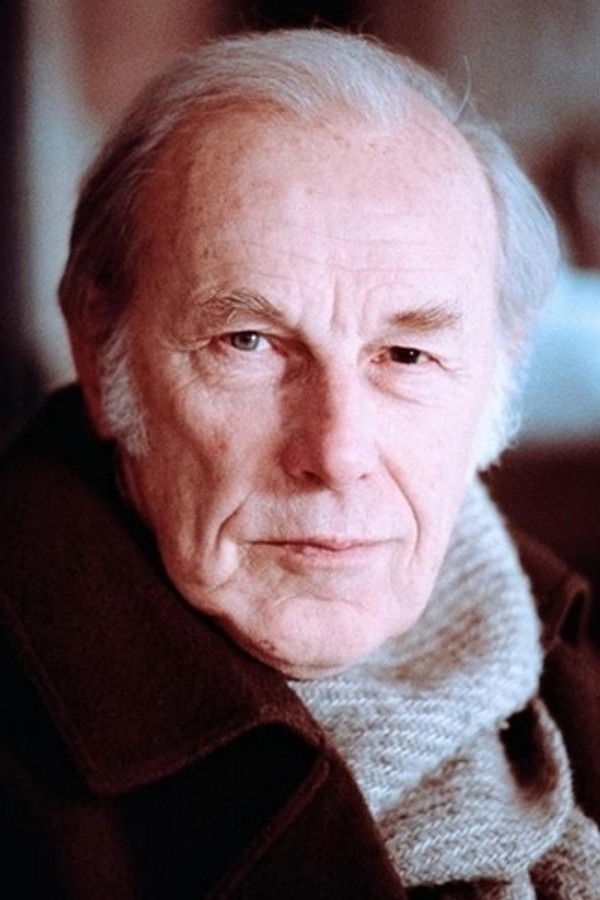
Jan Rubeš
Augustus Glick

Susan Douglas
Bryna Glick
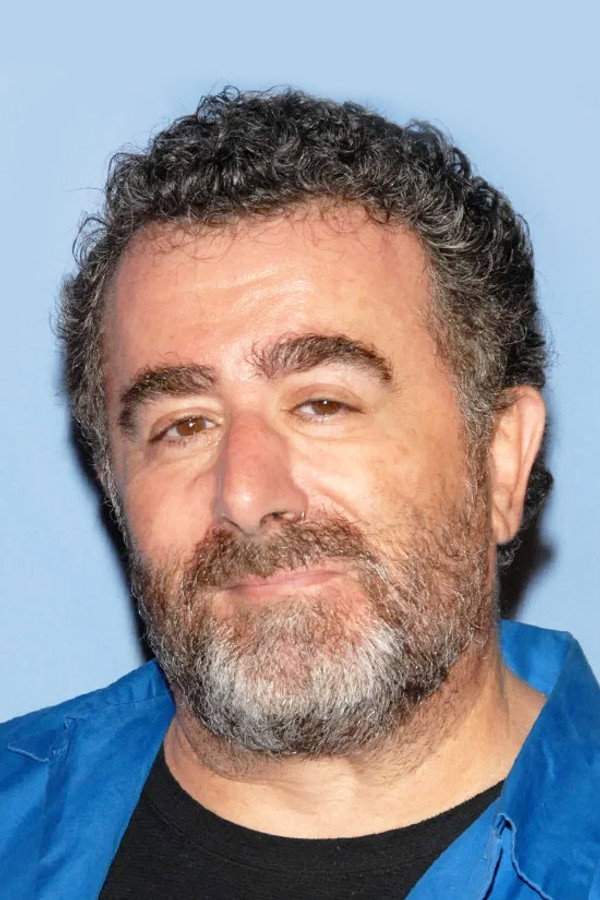
Saul Rubinek
Rabbi Teitelman
Aaron Schwartz
Henry Glick
William Marantz
Rabbi Kaminsky
Sharon Corder
Sarah Glick
Ken Zelig
Morris Moskover
Howard Jerome
Zelig Peikes

Alec McClure
Sandy Lubchuk
Avatar: The Last Airbender's success fifteen years after its premiere proves the enduring power of its storytelling. But it's more than just a quality show.
A decade since it aired, Shameless (U.S.) has always stuck to its guns (and baseball bats) about character diversity.
A bumpy journey about revolution and family makes us feel fear, disgust, humor, and satisfaction.
The second film takes us on Peter's journey to be understood.
Based on the bestselling memoir, viewers get a glimpse of the challenges of autistic people.
The death of Grace's father brings challenges as the family tries to preserve their ranch.