Incluvie – Better diversity in movies.
Identity in film with Incluvie stamps, scores, reviews.

Incluvie – Better diversity in movies.
Explore identity in film with Incluvie stamps, scores, reviews, and insights.

trailer banner
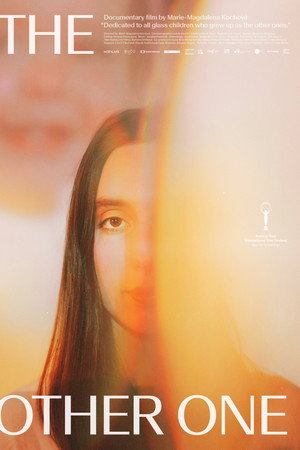
The Other One poster

The Other One 

In her feature-length debut, Marie-​Mag­da­le­na Kochová uses the character of eighteen-year-old Johanna to explore the phenomenon of “glass children” – children who, because they have a special-needs sibling, are neglected by their family, however unintentionally. They often feel invisible, their problems are always considered less important, and they are often expected to help take care of their disabled brother or sister. Johana is about to graduate from high school, and so she must decide whether to leave home to study, or stay and help her parents. An immensely sensitive account of the nature of sibling love which, for once, puts “the other one” first. Anna Kořínek (kviff.com)
- / 5
PopScore
Representation

Pictures and Videos


Incluvie Gala

Movie Information


In her feature-length debut, Marie-​Mag­da­le­na Kochová uses the character of eighteen-year-old Johanna to explore the phenomenon of “glass children” – children who, because they have a special-needs sibling, are neglected by their family, however unintentionally. They often feel invisible, their problems are always considered less important, and they are often expected to help take care of their disabled brother or sister. Johana is about to graduate from high school, and so she must decide whether to leave home to study, or stay and help her parents. An immensely sensitive account of the nature of sibling love which, for once, puts “the other one” first. Anna Kořínek (kviff.com)

Rating:
Genre:Documentary
Written By:Marie-Magdalena Kochová
In Theaters:
Box Office:

Runtime:87 minutes
Studio:m3 films s.r.o., GUČA films, Česká televize, FAMU

Articles You May Like


Short Film Review “With Arms Raised” A car ride, conversation, what we’ve experienced, personal judgements, and what we resort to is explored with both enigmatic then striking impact

“And I think to myself….what a wonderful world”. Louis Armstrong sang about this notion via his classic 1967 song, an ode to witnessing elements of our life that should be but some reminders of exactly what that concluding line of each verse indicates. Now we see our contemporary realities and, just being honest, it makes a sentiment like this seem SO overtly far away….perhaps even impossible….to accept or believe could be. It sounds harsh, but again, so much of what is occurring speaks not to beauty, but bedlam.

Kirk Fernwood