



The Transformative Powers of Monstrosity – A List Of Body Horror Films With Trans Allegories
In the spirit of Halloween, here's a list of body horror films which can be interpreted as trans allegories.
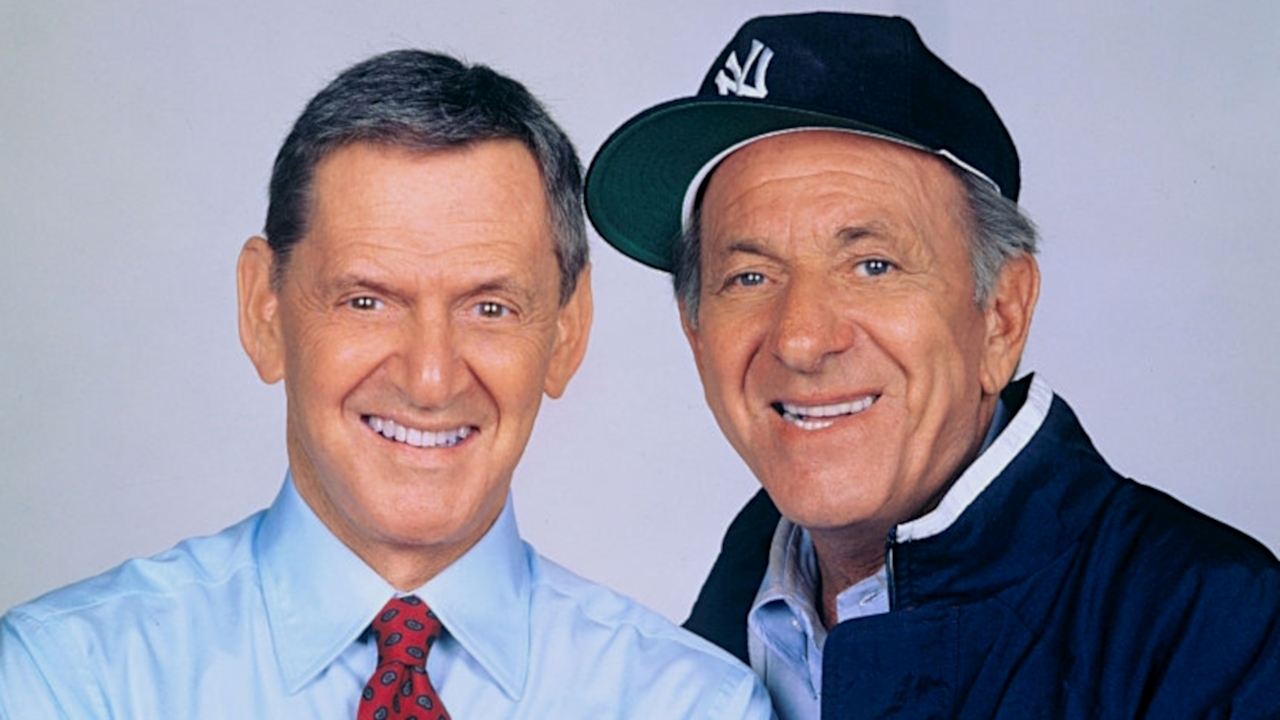



Felix's daughter Edna is getting married, and his wife Gloria throws him out of the house for a few days, so that she can plan the wedding herself, without him getting in the way. Felix temporarily moves in with Oscar, who is still living in the same apartment from the TV show. Due to throat cancer, Oscar had to have one of his vocal cords removed, and he can only speak in a raspy whisper. Meanwhile, plans for the wedding are going on, and things get complicated when Felix finds out that Edna's fiancé has been divorced twice.
In the spirit of Halloween, here's a list of body horror films which can be interpreted as trans allegories.
Love is Blind Season 2 is the perfect reality show to tie a viewer over until the next season of Bridgerton. Check out Love is Blind Review Season 2
If you haven’t watched Good Trouble yet, you need to. This Foster’s spinoff, aptly named for civil rights champion and Congressman, John Lewis, follows Mariana and Callie Adams Foster as they begin a new chapter of young adulthood and navigate life, careers, social justice, and love.
“Ad Astra” is a film that possesses similar beats to sci-fi classics, falling into the realm of cinematic hypnotism, and pulling us in with its mysteriously intoxicating identity.
Bigg County Restorations is a zany new pilot from comedians Joe Bell and Mikaela Watkins. In a spot-on parody of History Channel shows like American Restoration and Pawn Stars, Paul Bigg (John Jezior) works to restore kitschy decor for celebrities while his good-for-nothing adult children, Britney (Mikaela Watkins) and Junior (Joe Bell) go on wacky adventures while slacking off on the menial tasks they’ve been assigned. In the pilot, Britney and Mikaela’s day goes off the rails pretty fast.
With The Father, writer-director Florian Zeller- who wrote and developed the play upon which the film is based- pulls no punches as he confidently makes every effort to put the audience in the mind of someone whose grip on reality has all but vanished. It’s a dazzling testament to Zeller’s abilities as a director as he makes his first transition from stage to film appear as if he’s been working behind a camera his entire career. The dialogue he fashions with co-writer Christopher Hampton, along with the work of production designers Peter Francis and Cathy Featherstone, collectively makes the downward spiral of dementia startlingly tangible, doing so in a way that can be comprehended by everyone except the person it directly affects.