




“Primetime” and Emptiness
This is not McDonald’s. This is something different.
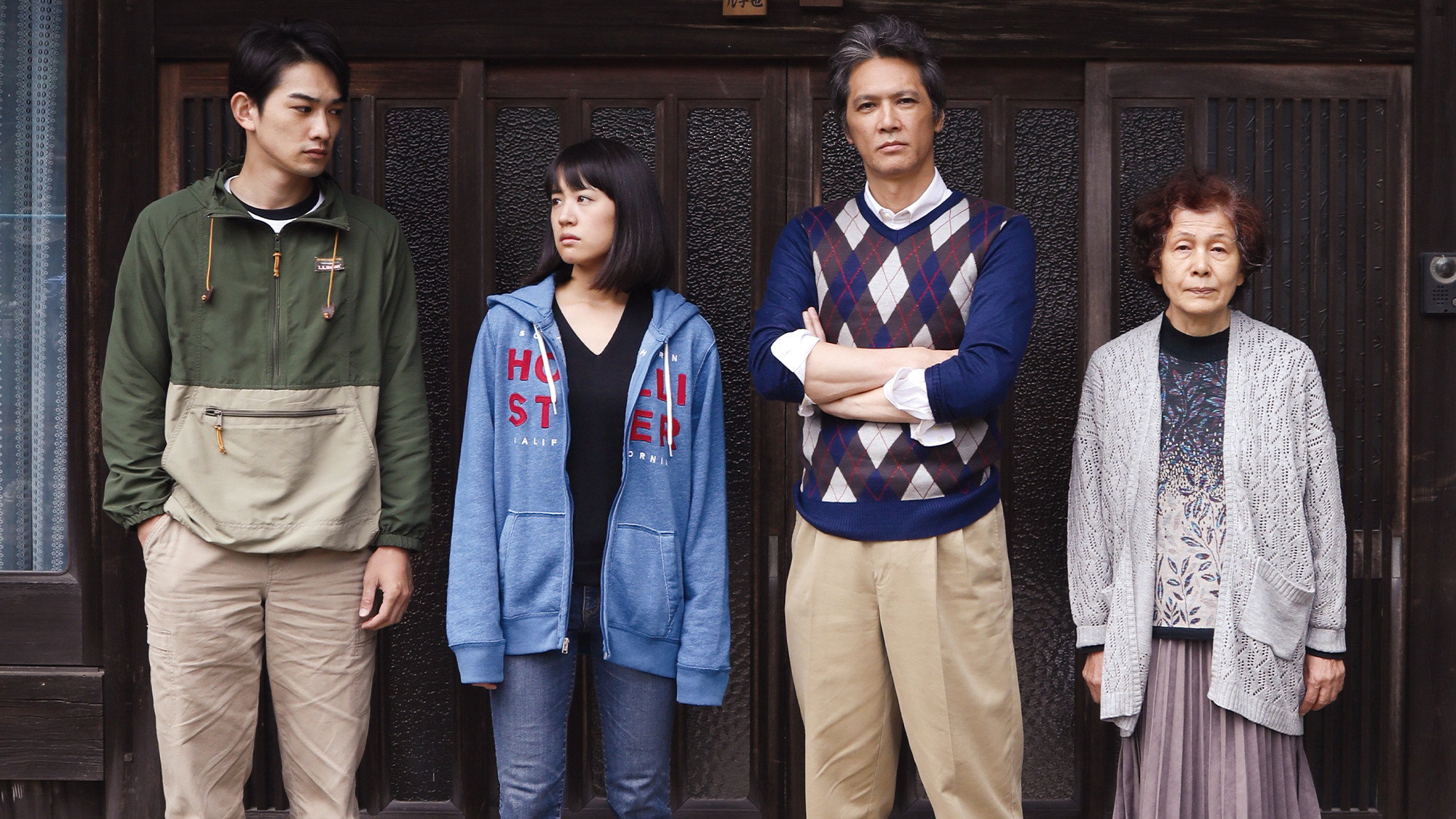
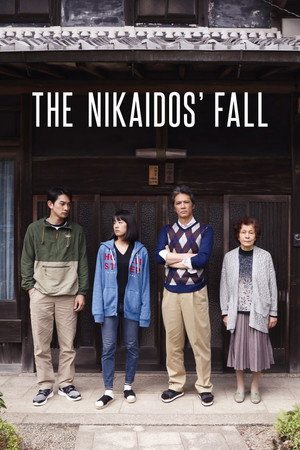


After losing his son, Tatsuya is anguished by the danger of his ancient family line coming to an end. His mother Haru urges him to embark on a loveless second marriage, and meanwhile he secretly hopes that his daughter Yoshiko will marry a husband willing to adopt the Nikaido name and follow in his footsteps.
This is not McDonald’s. This is something different.
A pampered dog who gets lost and has to learn to live on his own while being flexible with surroundings.
Step deep into the 21st century and discover the complexities of artificial combat soldiers.
The “gay best friend”, an age-old trope, has been done in countless films and television series. Ranging from one-note (Sex and the City's Stanford and Mario) to nuanced (Unbreakable Kimmy Schmidt's Tituss), the gay best friend exists to support and advise the main protagonist, with their conflicts swept to the side.
What seems like such a simple story of survival is so much more than that—it’s a story of family, and of war, and of destruction. It’s painful to watch, but not in a bad way. It makes its audience reflect on their own actions, and in how they are complicit in the sufferings of others as the adults in this film are. Grave of the Fireflies does not hold back from being heartbreaking, and it shouldn’t. It tells a message that needs to be heard decades after the war, and a story that cannot be forgotten by history.
Many have interpreted Maya Deren’s Meshes of the Afternoon as a dream sequence, but what if the repetitive scenes we are given are not dreams but, a time loop.