Hitchcock's Subtextual Coding in 'Rope'
Hitchcock is no stranger to innuendo, as was common in that era, but there was something so sophisticated about his approach to 'Rope', and it starts in the first frame.

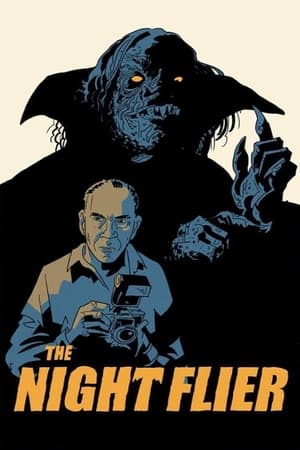


For cynical tabloid journo Richard Dees, facts are always stranger than fiction. Every headline is a dead-line. Serial killers, UFO abductions, tales of molestation, mayhem and murder. To some the tales are mere sleazy fantasy – but his faithful readers believe. And now there's a new story: The Night Flier. What is it that travels by night in a dark-winged Cessna, lands at secluded airfields and murders local residents? Dees begins to track the unknown killer in a Cessna of his own, uncovering clues that reveal a pilot more terrifying than he could have ever imagined.

Mark Pavia
Director

Miguel Ferrer
Richard Dees

Julie Entwisle
Katherine 'Jimmy' Blair

Dan Monahan
Merton Morrison

Michael H. Moss
Dwight Renfield
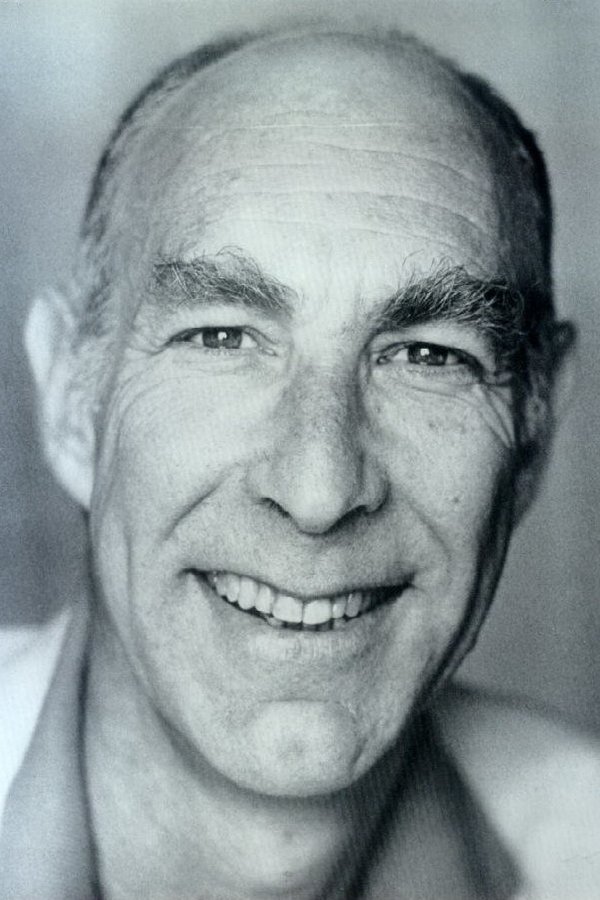
John Bennes
Ezra Hannon
Beverly Skinner
Selida McCamon
Rob Wilds
Buck Kendall

Richard K. Olsen
Claire Bowie
Elizabeth McCormick
Ellen Sarch

J.R. Rodriguez
Terminal Cop #1
Robert Leon Casey
Terminal Cop #2
Hitchcock is no stranger to innuendo, as was common in that era, but there was something so sophisticated about his approach to 'Rope', and it starts in the first frame.
My Beautiful Laundrette is often referenced as a positive LGBTQIA+ film because our two main characters are in a homosexual relationship with no shame, fear of violence or criticism. The struggle is not their sexuality. It is the treatment of the Pakistani citizens in England.
In this short film, writer/director Nikita Hattangady focuses on Jai, a starving artist rooted in the latter category. Though unhoused, he works hard.
Coralie Fargeat once said that “Being a woman is body horror,” and when you think about the ways we are taught to experience our own bodies, it becomes almost impossible to argue with her.
It: Welcome to Derry proves you can have rich representation, real humanity, and still fully enjoy Pennywise terrifying kids in sewers.