



Incluvie – Better diversity in movies.
Identity in film with Incluvie stamps, scores, reviews.

Incluvie – Better diversity in movies.
Explore identity in film with Incluvie stamps, scores, reviews, and insights.

trailer banner
The Neon Ceiling poster

The Neon Ceiling (1971)

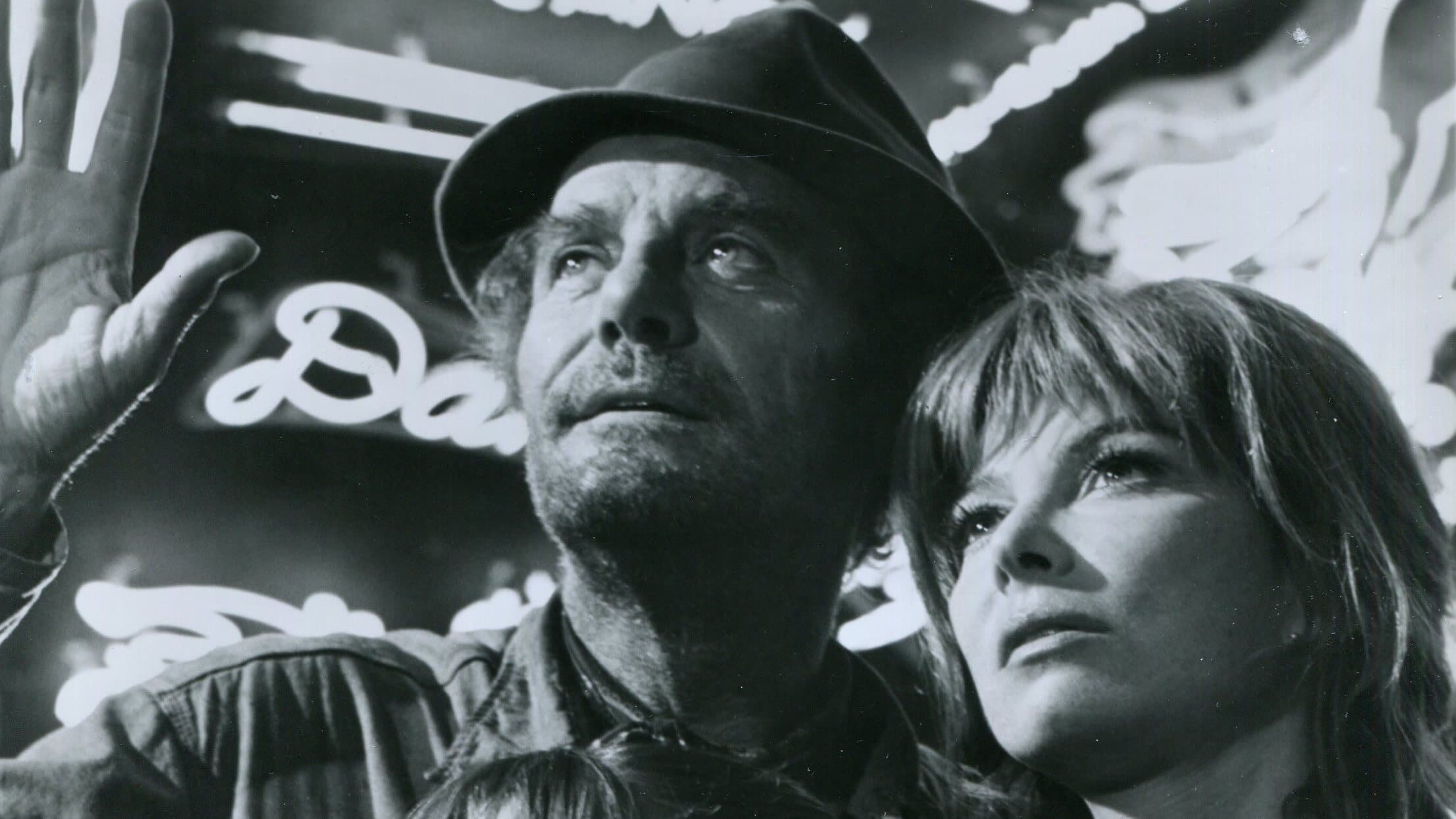
A housewife and her teenage daughter, fleeing their boring lives, stop in a diner in the California desert. She runs up against the diner's owner, a gruff, beer-drinking artist whose life's work is the neon sculptures he collects and attaches to the ceiling.
- / 5
PopScore
Representation

Pictures and Videos


Incluvie Gala

Movie Information


A housewife and her teenage daughter, fleeing their boring lives, stop in a diner in the California desert. She runs up against the diner's owner, a gruff, beer-drinking artist whose life's work is the neon sculptures he collects and attaches to the ceiling.

Rating:
Genre:Drama, TV Movie
Directed By:Frank Pierson
Written By:Carol Sobieski, Howard Rodman
In Theaters:2/8/1971
Box Office:

Runtime:100 minutes
Studio:Universal Television

Articles You May Like


Who Needs 'Independence Day' When You've Got 'Sorry to Bother You'?

Sorry to Bother You ultimately speaks to the unfair advantages that the country’s power structures award to those with the resources to control others, as Lift’s easy access to the media allows his opinion to be the only one that matters in the eyes of the unsuspecting and easily impressed public. Moreover, it reveals the extent to which the American Dream has any true validity. It postulates how the promise of success and fulfillment as promoted by the American Dream more often than not leads to the undoing of the individual. Interestingly, in its revealing of the American Dream as merely a facade, Sorry to Bother You wisely questions whether or not anything can really be done to undo a system that has been accepted and in action for centuries.

Matt Geiger

An exploration of societal expectations and madness: Die My Love (2025)

It’s been awhile since I’ve seen a film that is jarring within the first five minutes. Being at the edge of my seat from the very beginning made me feel both excited and frightened for what was to come, and it did not disappoint. Led strongly by Jennifer Lawrence as Grace, a woman trapped in the “American dream”, this film shows that society tells us what should make us happy. Many critics describe Die My Love as being about post-partem depression, but it is so much more. After moving to a secluded home with her husband Jackson, Grace finds herself in the throes of motherhood. Feeling isolated in her physical environment and her romantic relationship, Grace suffers psychologically. Lawrence brings a sense of rawness and humor to the screen that is often uncomfortable. Robert Pattinson adds to the discomfort as her loving, yet lost husband Jackson, who cares about his wife but does not know how to help her. Lynne Ramsay has presented a film that forces us to look at the realness of life, and what happens when the promise of what should make you whole fails.

Ashley Delgadillo