








Parasite and Capitalism: What the Film Says About the Pursuit of Wealth
Bong Joon Ho’s masterpiece, Parasite (2019) became one of the few international films to break into the American mainstream.

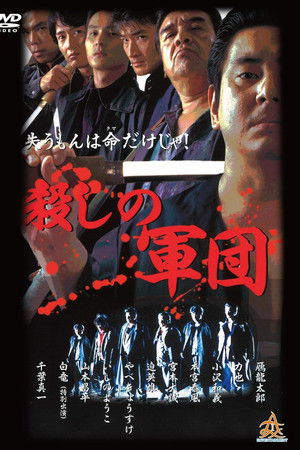
Nishinari, Osaka— Katsuhiro Tokuyama (Ryu Gan), who had been living as a civilian, gives in to repeated pleas from his former comrades and revives the delinquent gang Tokuyama-kai. The Tokuyama-kai begins seizing territory one after another from local yakuza groups. However, a clash with Nishinari’s largest prostitution syndicate, Shiraku-kai, becomes inevitable. Shiraku-kai retaliates by murdering one of Tokuyama-kai’s members, Shinjiro Nakanishi (Kyosuke Yabe), and kidnapping Katsuhiro’s only son, Nishiki. Swearing vengeance for Shinjiro and the rescue of Nishiki, six men arm themselves with Japanese swords and head for the Shiraku-kai headquarters. Waiting for them are 100 elite swordsmen, the Shiraku-kai’s fearsome “Batto-tai.” Six against one hundred. The curtain rises on a brutal, fearless battle where death holds no meaning.
Bong Joon Ho’s masterpiece, Parasite (2019) became one of the few international films to break into the American mainstream.
Movies also have the ability to make the audience think deeper about an issue that plagues society. "Blindspotting" does that without shying away from the intense reality of police brutality and racial discrimination.
This film manages to be simultaneously topical and timeless. Without being preachy, it highlights society’s flawed relationship with tech; insights into the complex ideas of family struggle are expertly dispersed among a perfectly paced and balanced story.
Mahershala Ali and Naomie Harris, with an economy of language, but a world of expression, weave us inside this futuristic tale of how your “one true love” may exist in the future in Benjamin Cleary's 'Swan Song.'
One of the reasons I love watching movies is that, much like books, they serve as windows into other times and different places. Productions from around the world offer valuable insights into the history and culture of their respective countries. And just like literature, cinema can help us understand the present by showing us the past.
Mona Fastvold’s nineteenth century lesbian romance is emotionally charged, restrained, and poetic without feeling forced.