Women can have it all! Right?! A review of HBOMax’s “Expecting Amy”
I didn’t love Expecting Amy, the mini-series following Amy Schumer’s pregnancy, but it brought up a lot of great unspoken side-effects of working and growing a human in America.




An ancient urn is found in a cemetery outside Rome. Once opened, it triggers a series of violent incidents: robberies, rapes and murders increase dramatically, while several mysterious, evil-looking young women coming from all over the world are gathering in the city. All these events are caused by the return of Mater Lacrimarum, the last of three powerful witches who have been spreading terror and death for centuries. Alone against an army of psychos and demons, Sarah Mandy, an art student who seems to have supernatural abilities of her own, is the only person left to prevent the Mother of Tears from destroying Rome.

Dario Argento
Director


Asia Argento
Sarah Mandy

Cristian Solimeno
Detective Enzo Marchi

Adam James
Michael Pierce

Moran Atias
Mater Lachrymarum

Valéria Cavalli
Marta Colussi

Philippe Leroy
Guglielmo De Witt

Daria Nicolodi
Elisa Mandy

Coralina Cataldi-Tassoni
Giselle Mares
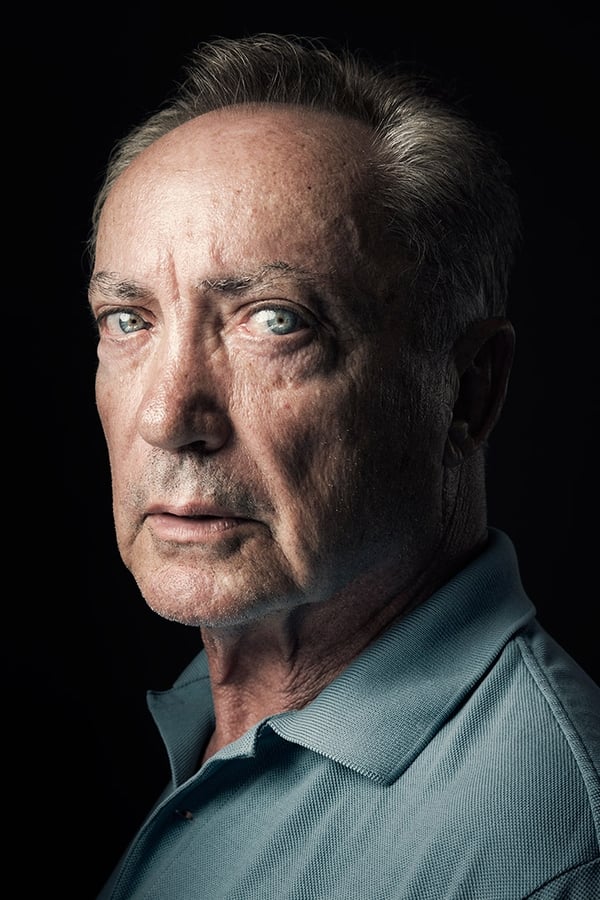
Udo Kier
Father Johannes

Robert Madison
Detective Lissoni

Jun Ichikawa
Katerina
I didn’t love Expecting Amy, the mini-series following Amy Schumer’s pregnancy, but it brought up a lot of great unspoken side-effects of working and growing a human in America.
The social issues The Half of it takes on are handled well, between the antagonization brought on to Ellie for her race and the conflict that arises from her being gay. Both aspects of her character are built up over the course of the film and don’t seem abrupt or rushed. The film shows racism towards Ellie and her and father in varying levels, from having her schoolmates specifically address her as "Chinese girl” to the fore mentioned way her Dad is treated due to language barriers. The same can be said about Ellie being a lesbian. While she never truly “comes out” in the narrative, that does not undermine her journey of self-discovery from being meaningful. These ideas aren’t thrust upon the viewer in a preachy manor, the scenarios that occur feel believable given the rural setting. The film presents watchers with problems whom those like Ellie may face, and leaves us to sit with them and reflect.
One of the reasons I love watching movies is that, much like books, they serve as windows into other times and different places. Productions from around the world offer valuable insights into the history and culture of their respective countries. And just like literature, cinema can help us understand the present by showing us the past.
Intergenerational friendships and community can be so powerful, and this was a great example.
We chat with Penelope Lawson about her short film, The Dinner Party, her experience founding her own production company, and fun cinema.
Sorry to Bother You ultimately speaks to the unfair advantages that the country’s power structures award to those with the resources to control others, as Lift’s easy access to the media allows his opinion to be the only one that matters in the eyes of the unsuspecting and easily impressed public. Moreover, it reveals the extent to which the American Dream has any true validity. It postulates how the promise of success and fulfillment as promoted by the American Dream more often than not leads to the undoing of the individual. Interestingly, in its revealing of the American Dream as merely a facade, Sorry to Bother You wisely questions whether or not anything can really be done to undo a system that has been accepted and in action for centuries.