







"Enola Holmes 3" Screws Up Its Main Character And The Worldbuilding
Netflix’s recent "Enola Holmes 3" is a disappointing and confusing entry in the stellar "Enola Holmes" franchise.
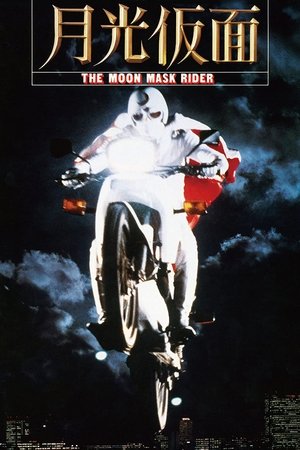


The Moon Mask Rider is a tokusatsu movie produced by Purumie International/Herald Enterprises and distributed by Nippon Herald Pictures, was released theatrically on March 14, 1981. Considered Japan's answer to the American box-office fiasco, The Legend of the Lone Ranger (released the same year), this updated version of the Moonlight Mask legend bombed at the Japanese box-office. Daisuke Kuwahara (who, like Klinton Spilsbury , disappeared from doing films) plays George Owara (Moon Mask Rider's new alter-ego), and the rest of the cast made up of veteran action starlets: Sue Shihomi, Daijiro Harada and Takayuki Godai.
Netflix’s recent "Enola Holmes 3" is a disappointing and confusing entry in the stellar "Enola Holmes" franchise.
Honey Don't! is a chaotic queer noir that's part detective story, part midnight movie madness. Margaret Qualley is fantastic as the wise-cracking private eye Honey, with Aubrey Plaza and Chris Evans adding their own dry humor to the mix. The mystery itself is pretty loose, but the film makes up for it with crackling sexual tension, weird side characters, and razor-sharp dialogue. It's messy and uneven, but in the best possible way.
'También la Iluvia' exploits Indigenous peoples' fight against the privatization of water in order to tell a story about Spanish characters.
With raw and unapologetic performances by Viola Davis and Chadwick Boseman, stories about the hardships of Black musicians are weaved in with The Blues.
Dead Poets Society relies on patriarchal tropes such as overbearing fathers, contrived brotherhood, and faux-individuality in order to portray its straight white male characters as oppressed.
'Legally Blonde' remains a standard of feminist filmmaking over two decades after its release, although its poor treatment of racial and sexual minorities make it a product of its time.