

Dead Poets Society Steals a Queer Story
Dead Poets Society relies on patriarchal tropes such as overbearing fathers, contrived brotherhood, and faux-individuality in order to portray its straight white male characters as oppressed.
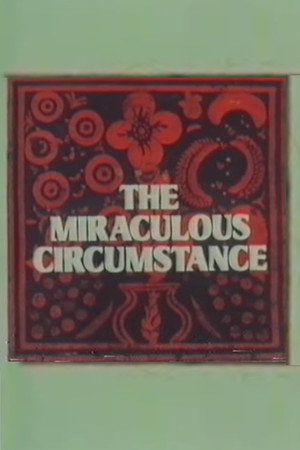


In 1906 the young Bela Bartok set out to discover the forgotten music of his people. He found a vast treasure of folk music all over Eastern Europe, and he called his discovery 'a miraculous circumstance'. In this film the late A. L. Lloyd retraces Bartok's journeys through Hungary and Romania to rediscover that treasure of native music.
Dead Poets Society relies on patriarchal tropes such as overbearing fathers, contrived brotherhood, and faux-individuality in order to portray its straight white male characters as oppressed.
Desi’s “straight man” to Lucy’s playful exuberance subverted people’s expectations of what a Latino man could be and added respect and nuance to the way onscreen marriages between men and women were portrayed.
The newest Pedro Almodóvar movie, Pain and Glory, focuses on an aging and debilitated filmmaker, Salvador Mallo (played by Antonio Banderas) reflecting on his life in his old age.
A simple question often sparks intense debate. Incluvie attempts a working definition for the beloved horror genre.
Juno is extremely funny, very well-written, and contains great performances. The film is also about a very important topic, one that is extremely relevant now: women’s reproductive rights. Is this Oscar-winning film spreading a pro-life or pro-choice message to its audience?
This is not McDonald’s. This is something different.