
The Émigré: Everything is Different
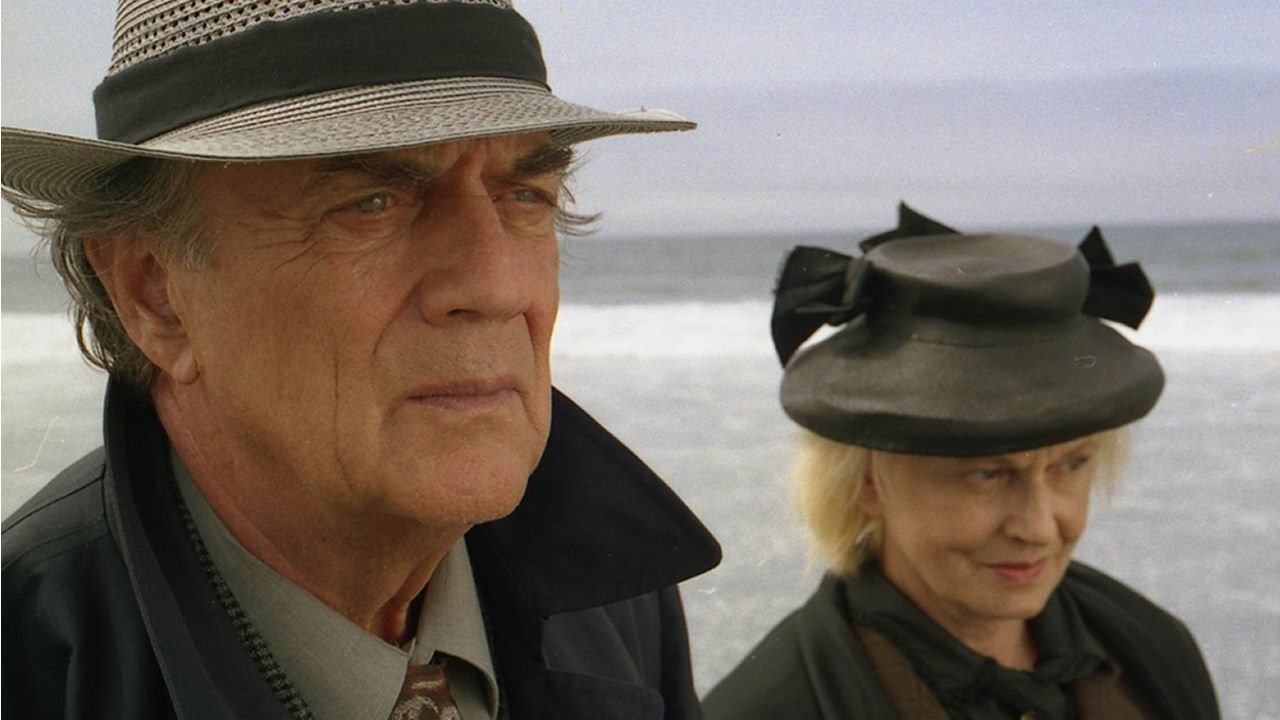
The final years of Sándor Márai's voluntary exile in San Diego, which led to his suicide in 1989. Based on his own diary.

- / 5
PopScore
Representation
Pictures and Videos

Movie Information
The final years of Sándor Márai's voluntary exile in San Diego, which led to his suicide in 1989. Based on his own diary.
Rating:
Genre:Drama
Written By:Györgyi Szalai, István Dárday
In Theaters:
Box Office:
Runtime:108 minutes
Studio:Focusfilm Kft., Film-Art Kft.
Cast





Articles You May Like
‘Fast Color’: A Strikingly Different Take on the Superhero Film - Movie Review
Set in a future dystopian United States in which water is running out, Julia Hart’s Fast Color (2018) is a refreshingly different take on the superhero film.
Short Film Review "Jamarcus Rose & Da 5 Bullet Holes" - Chasing ambitions, accepting guidance, finding brotherhood, and realizing the fragility of life
Over the last several years, I have had the privilege of being one of the critics having the opportunity to watch and review several films from writer/director/producer Marcellus Cox, whose efforts are never anything less but grounded, relevant, and steeped in unflinching glimpses illustrating the gripping, inspired, and ever-vacillating realms that make up the human condition.
The Rape Post-Memory in 'Grbavica'
I understood post-memory as passing down stories and images of one’s experiences that are not your own. For decades, rape has been depicted in cinema through a third-person perspective, leaving the viewer to observe rape; not to experience it.
'INTERNET' - MiamisFF Review
A man invents the internet with the help of an otherworldly force. But he soon learns that not all is what it seems. A delightful sequence of images for a delightful fictional story about what lies behind.
'Synchronic': An Accelerated Time Travel That Could Have Been Great
“Synchronic” is special, but it doesn’t succeed in achieving all the objectives it aims for. The film is a science fiction oeuvre which tries to be cerebral at some points, although the original idea is interesting, it only accomplishes to talk about some serious matters superficially.