


Opposing the Reviews for "Horse Girl"
One of the great achievements of this film is its ability to challenge the mind and to force you to try to process information in a different way than you’re used to.
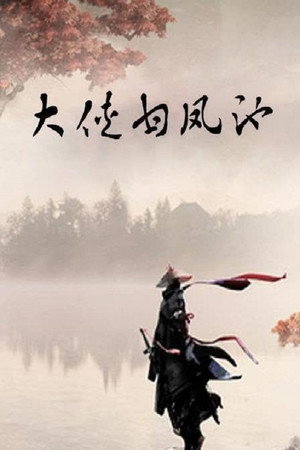


The Mighty Hero Gan Fengchi 大俠甘鳳池 (1928) is a silent film released in China by the Great Wall Film Company during a peak in popularity of the wuxia (martial chivalry) genre. No copies were known to exist. Currently there's a 23-minute fragment incorrectly listed as this film due to the mistakes originated from China Film Archive, that fragment was actually two existing reels of another 1929 wuxia film "续甘氏两小侠" (Two Little Heroes Named Gan: Part II).
One of the great achievements of this film is its ability to challenge the mind and to force you to try to process information in a different way than you’re used to.
t’s relatable and heartbreaking all at once, and it’s impossible to watch Happy Together without reflecting on oneself. The film is stunning in every aspect, and is a vital piece of LGBTQ cinema.
Throughout Brendan Fraser’s career, he has played a plethora of unique, layered characters who explore the importance of not being afraid to display your emotions, something that is often seen to not be a masculine trait. This idea of regulating emotion and what traits men are able to possess creates a toxic atmosphere for men who are often told they should not cry or represent their emotions in any physical way. These characters represent that men can be joyful, emotionally conscious, and sensitive, while also representing their masculine identity instead of painting those qualities as fighting against their masculinity.
A young girl named Hailey Mays sings a country song that is named after the film's title.
Jennifer Lopez leads the story as Zoe, a determined woman who opts for artificial insemination after a string of failed relationships. Lopez's portrayal adds depth and warmth to Zoe