



'Show Dogs' Are On the Case
A K-9 police dog goes undercover to stop an illegal animal smuggling ring and learns a valuable lesson along the way.
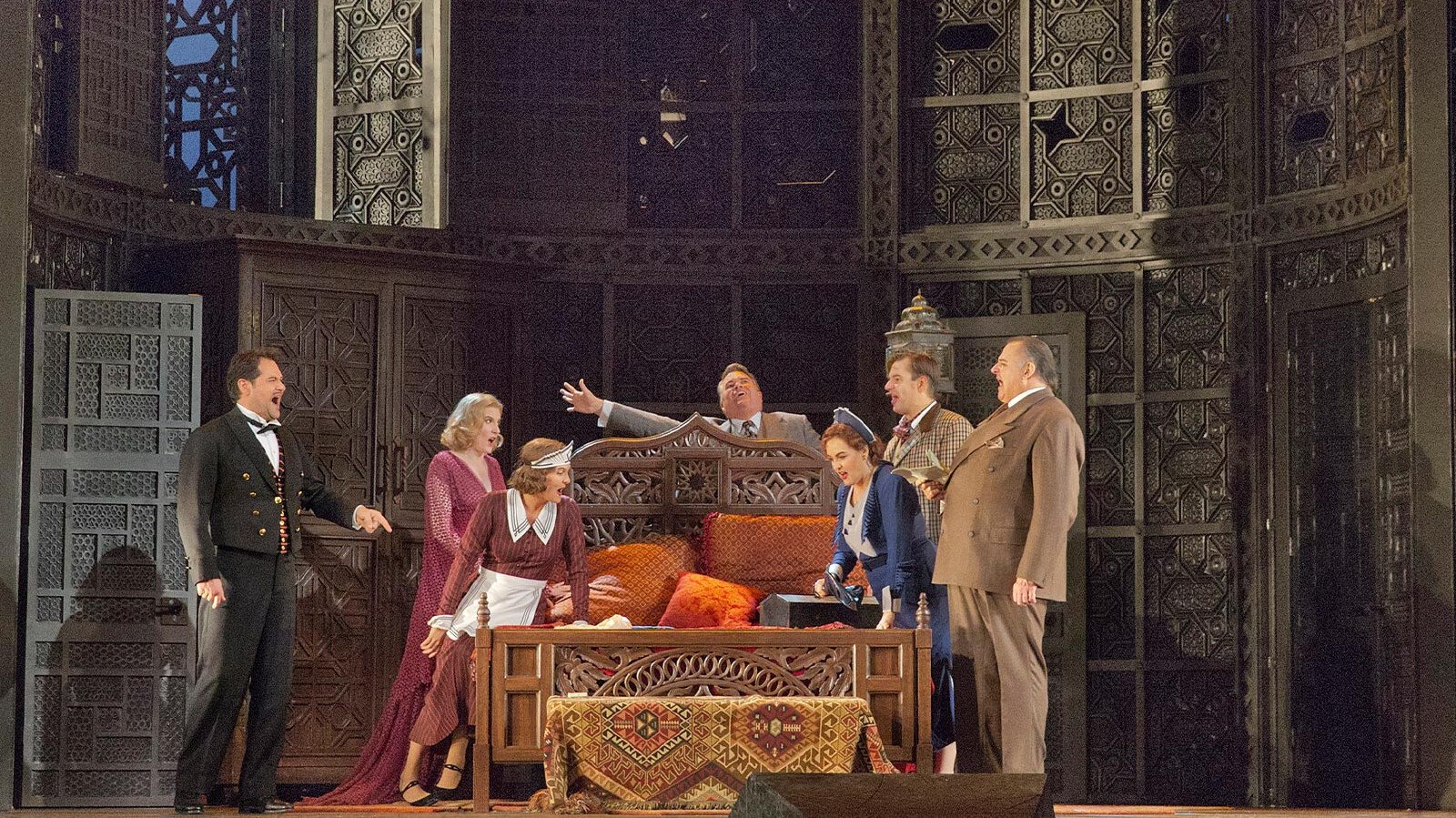
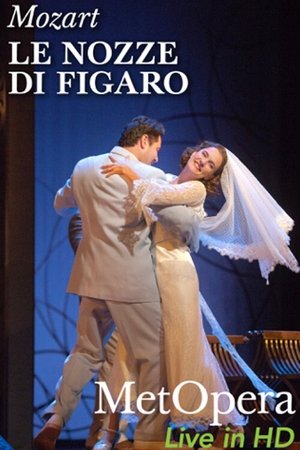


Richard Eyre’s elegant production, which opened the Met’s 2014–15 season, sets the action of Mozart’s timeless social comedy in a manor house in 1930s Seville. Ildar Abdrazakov leads the cast as the resourceful Figaro set on outwitting his master, the philandering Count Almaviva, played by Peter Mattei. Marlis Petersen sings Susanna, the object of the Count’s affection and Figaro’s bride-to-be, Amanda Majeski is the Countess, and Isabel Leonard gives a standout performance as the pageboy Cherubino. Music Director James Levine on the podium brings out all the humor, drama, and humanity of Mozart’s score.
A K-9 police dog goes undercover to stop an illegal animal smuggling ring and learns a valuable lesson along the way.
'Alice' is a genre trifecta: one part revenge drama, one part historical account, one part throwback to Blaxploitation—kinda 'Django' meets 'Roots' meets 'Foxy Brown.'
Pressure is an unambiguously great movie, lead by convincing performances, a well-crafted script, good direction, and at least some social awareness.
A dynamic journey of self-acceptance and identity.
If the message here is that without a support system, grieving people turn into monsters, it’s not really well-delivered and may be flawed as a message itself.
The [SPOILER-Free] story of Jurassic World: Dominion is that the humans never learned from their mistakes from the previous films, science is still running amok, and the world is paying the price.