


'Meshes of the Afternoon' Enters the Realm of Sci-Fi
Many have interpreted Maya Deren’s Meshes of the Afternoon as a dream sequence, but what if the repetitive scenes we are given are not dreams but, a time loop.

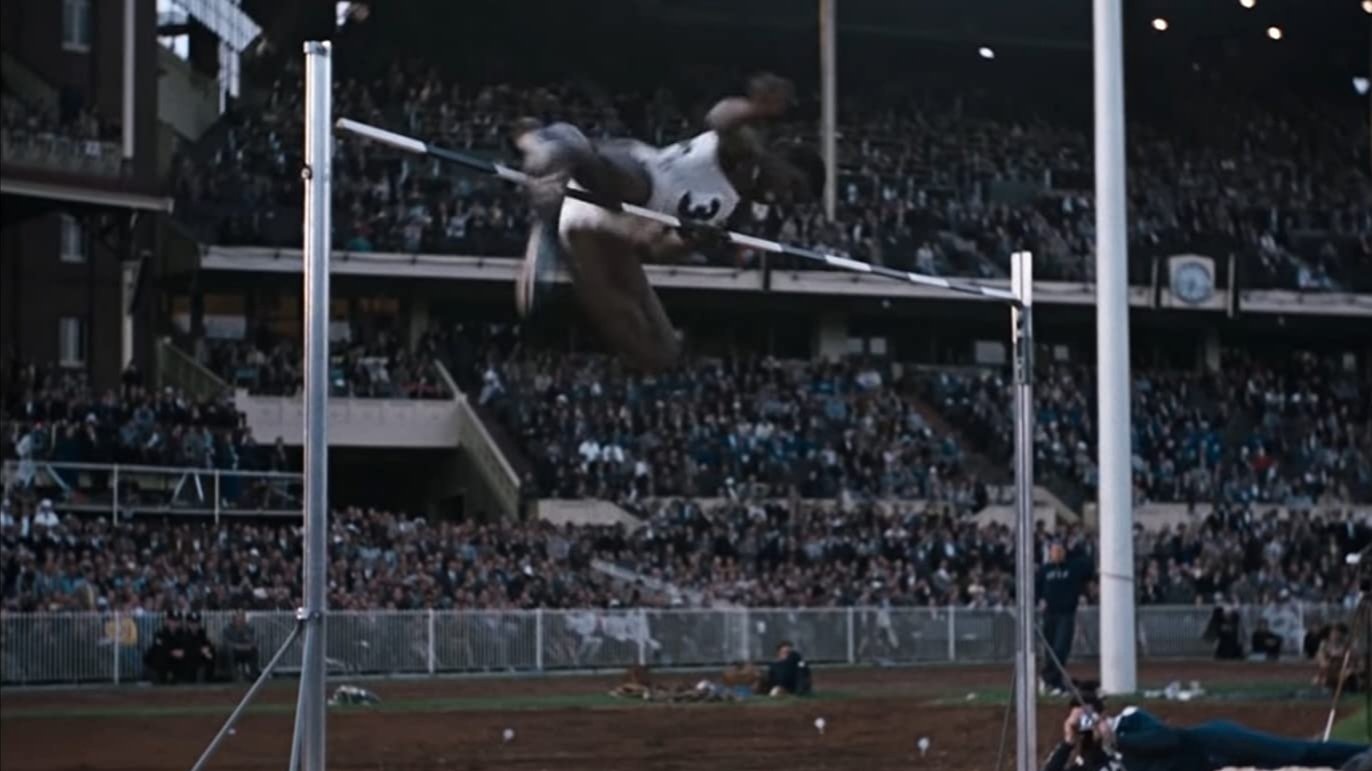
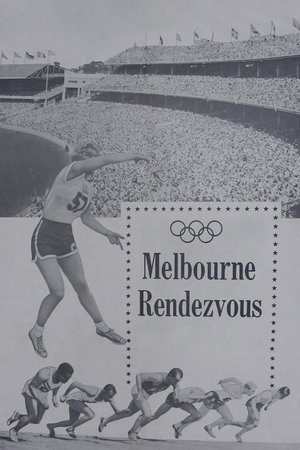
Rendez-Vous a Melbourne is the official filmed record of the 1956 Olympic Games in Australia. At the time of its release, there was much controversy in the documentary-filmmaking world over the fact that the Aussies signed over exclusive distribution rights to a French firm, resulting in a boycott from other movie companies. None of this matters when the film is seen today: though not in the same league as Leni Reifenstahl's Olympiad, this 110-minute extravaganza is consistently entertaining. Fifteen cameras were utilized to lens every aspect of the event; it was then up to editors Jean Dudrumet and Monique Lacombe to burrow through miles and miles of film to cull the highlights seen herein. Portions of Rendez-Vous a Melbourne have since resurfaced in practically every Olympics documentary -- not to mention the many TV specials attending the now-biannual event.
Many have interpreted Maya Deren’s Meshes of the Afternoon as a dream sequence, but what if the repetitive scenes we are given are not dreams but, a time loop.
The roaring emotional ride that was the season four finale sets June on a new path: more of a Survivor's Journey.
The second episode of the highly anticipated Afrofuturism series delivers with a high-speed race teaching us to go far beyond just accepting ourselves.
On their new show, The Kardashians, the famous family continues to use their personal lives as advertisements for thier billion-dollar businesses.
“Candyman ain't a 'he.’ Candyman is the whole damn hive." Candyman represents all Black victims of white supremacy, and this art form narratively conveys it in a succinct, adulatory way, the history of which is rare to find.