The Haunted Mansion (2023)
This Halloween movie is a remake of the 2003 movie of the same name with Black representation.
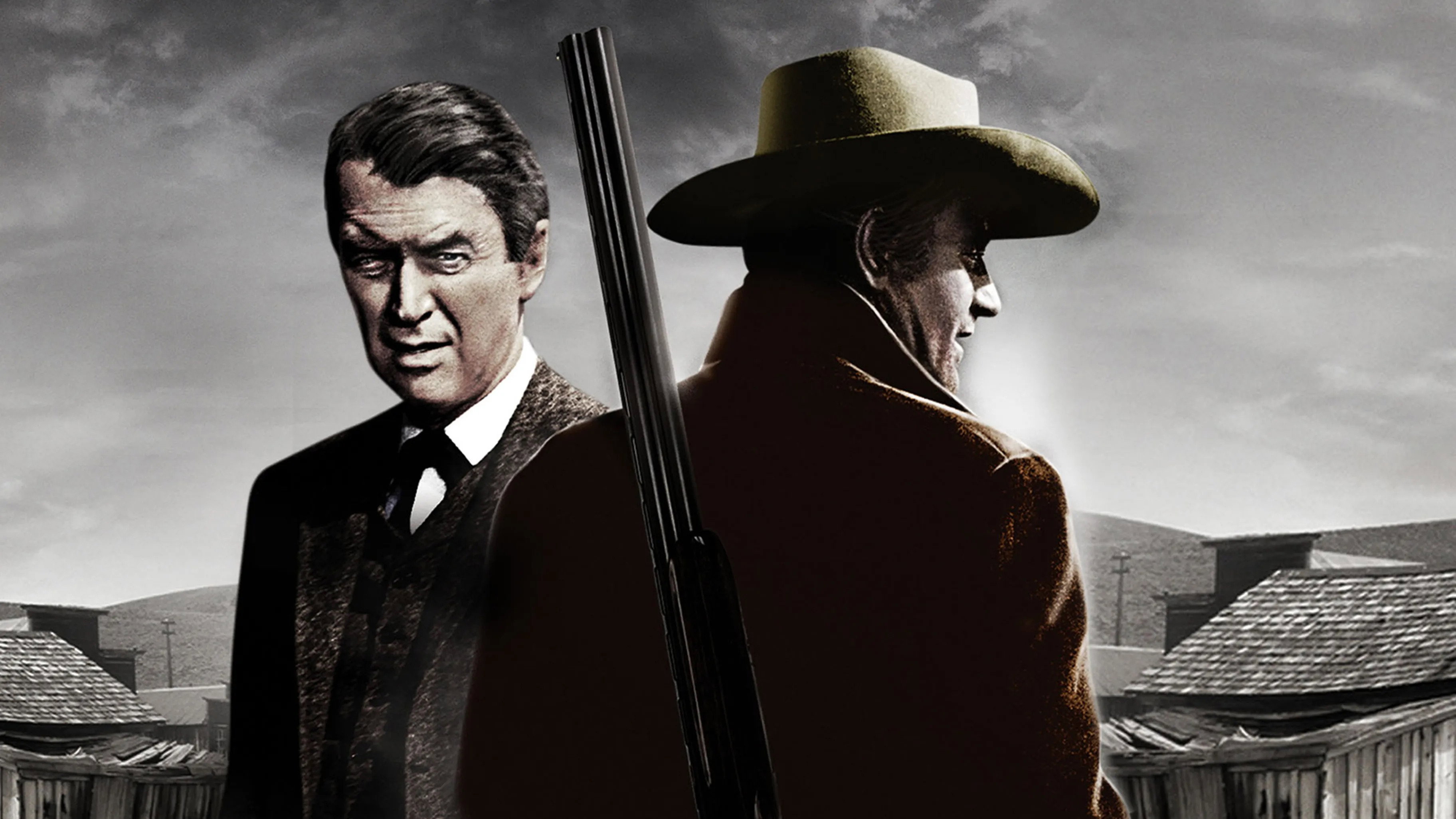
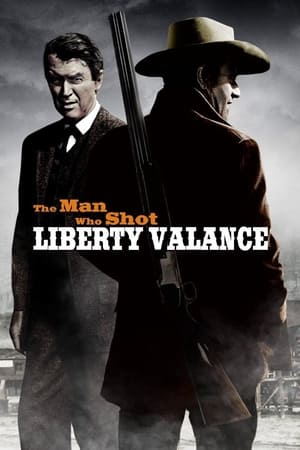


Questions arise when Senator Stoddard attends the funeral of a local man named Tom Doniphon in a small Western town. Flashing back, we learn Doniphon saved Stoddard, then a lawyer, when he was roughed up by a crew of outlaws terrorizing the town, led by Liberty Valance. As the territory's safety hung in the balance, Doniphon and Stoddard, two of the only people standing up to him, proved to be very important, but different, foes to Valance.
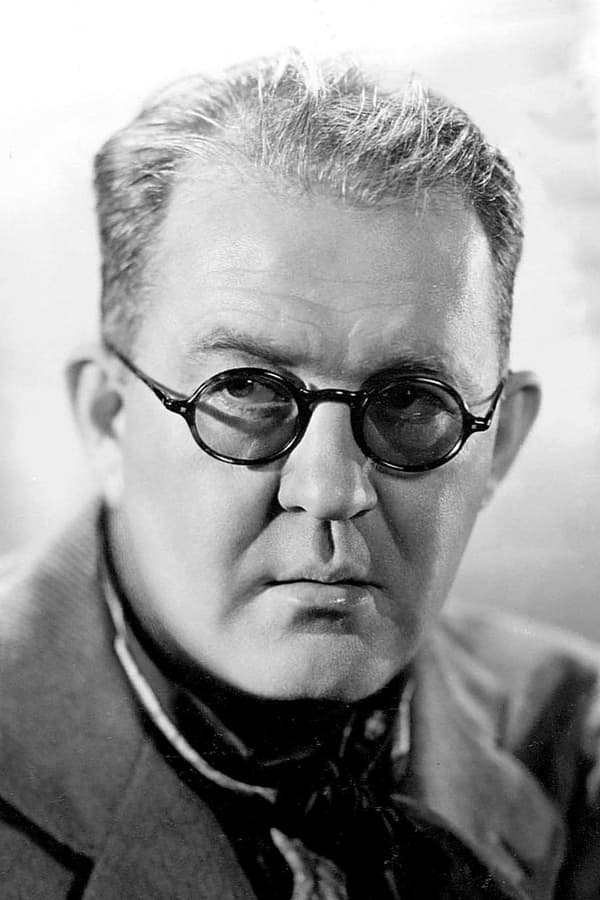
John Ford
Director

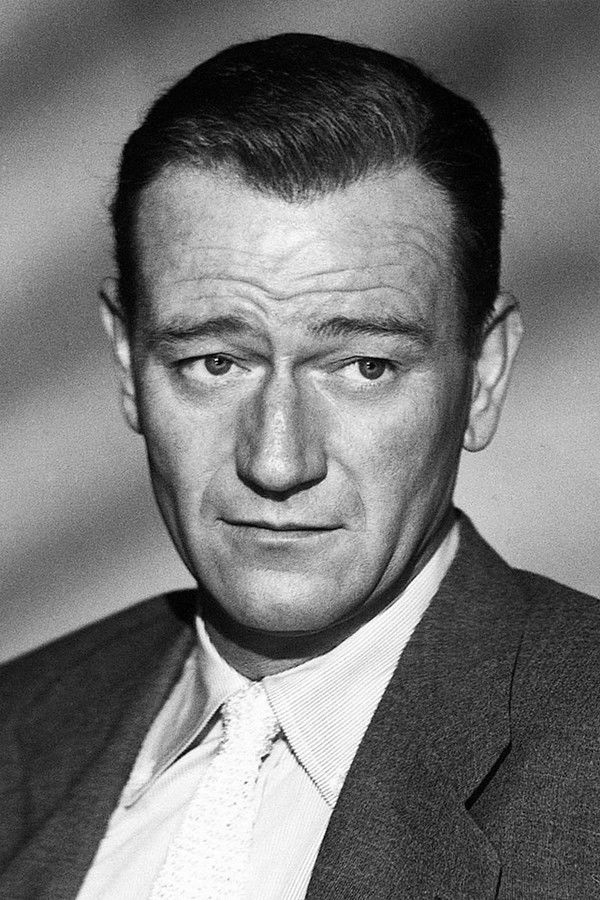
John Wayne
Tom Doniphon
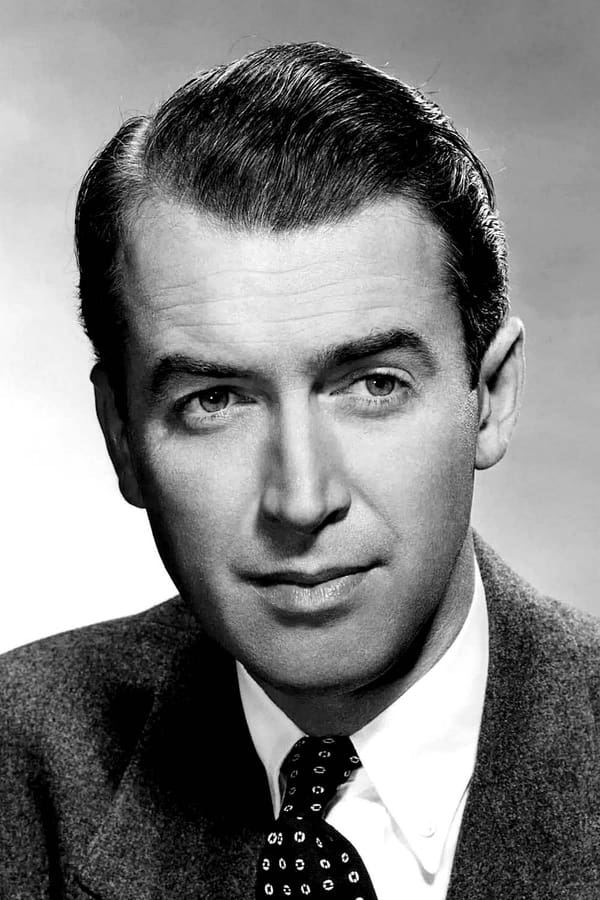
James Stewart
Ransom Stoddard

Vera Miles
Hallie Stoddard
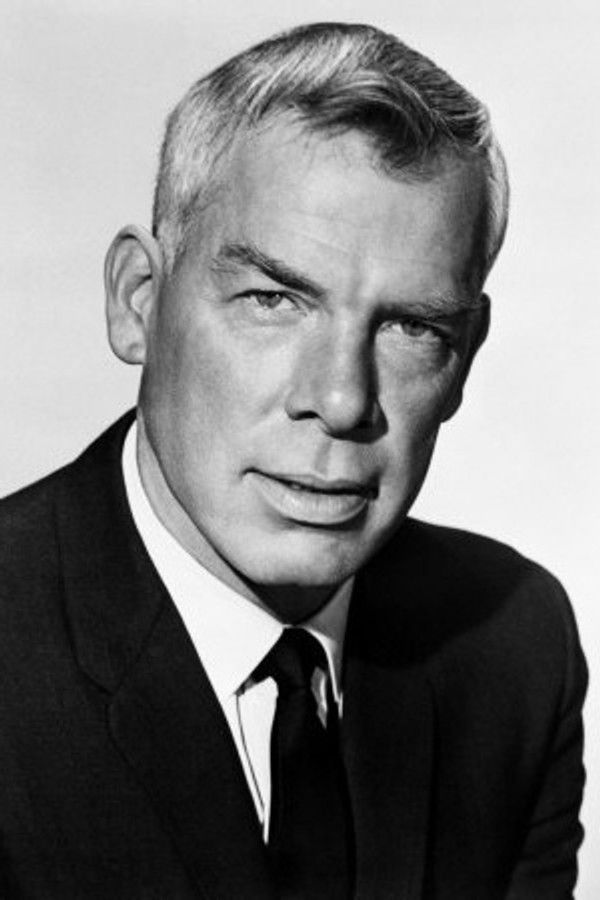
Lee Marvin
Liberty Valance

Edmond O'Brien
Dutton Peabody
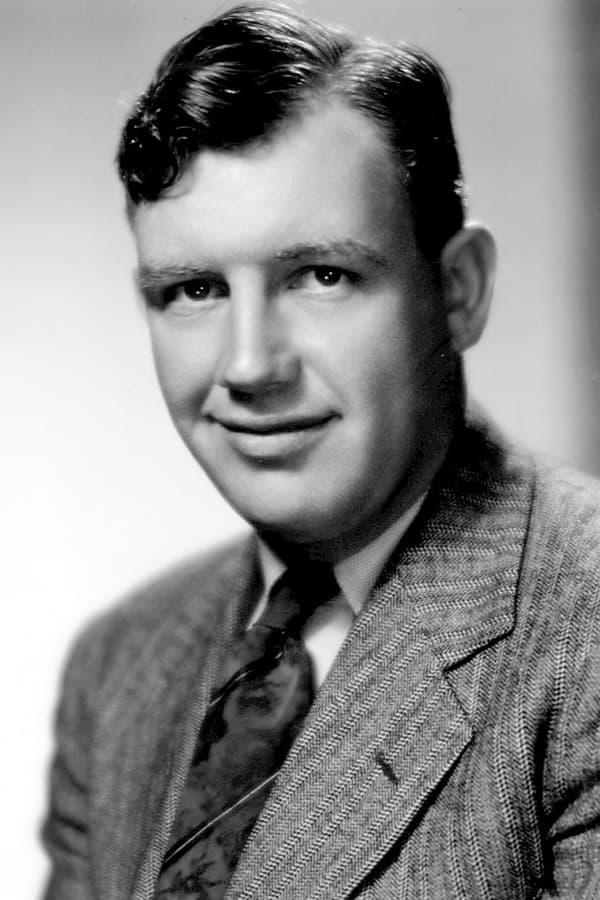
Andy Devine
Link Appleyard
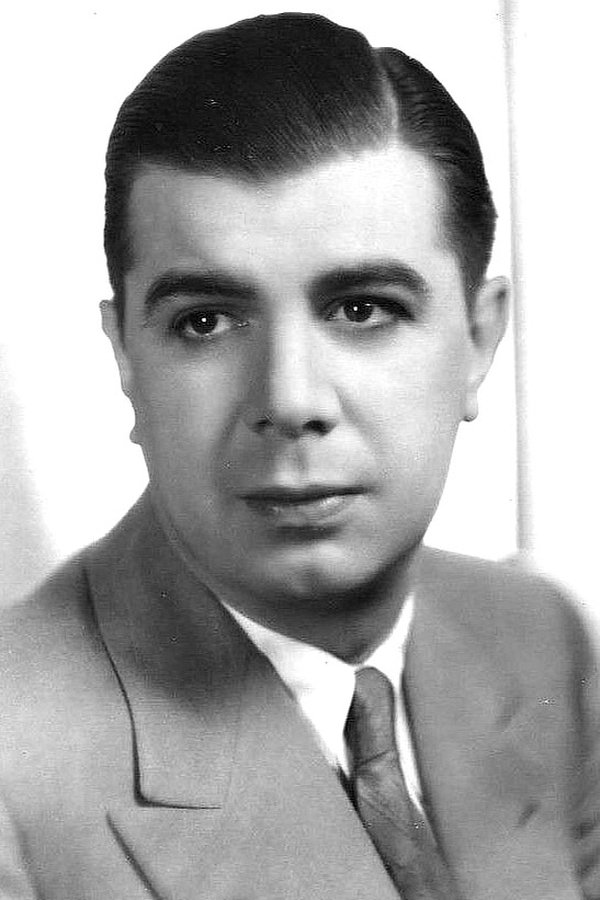
Ken Murray
Doc Willoughby
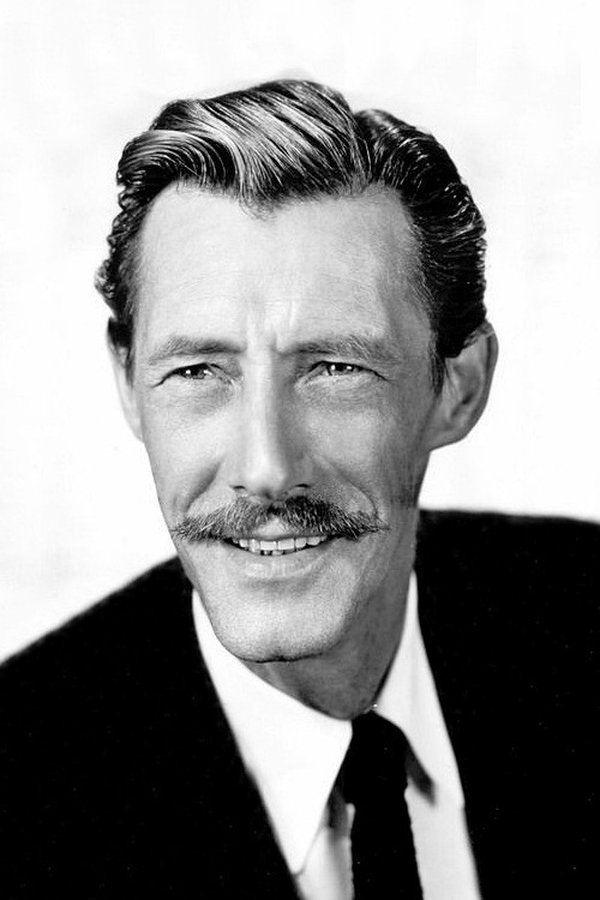
John Carradine
Cassius Starbuckle
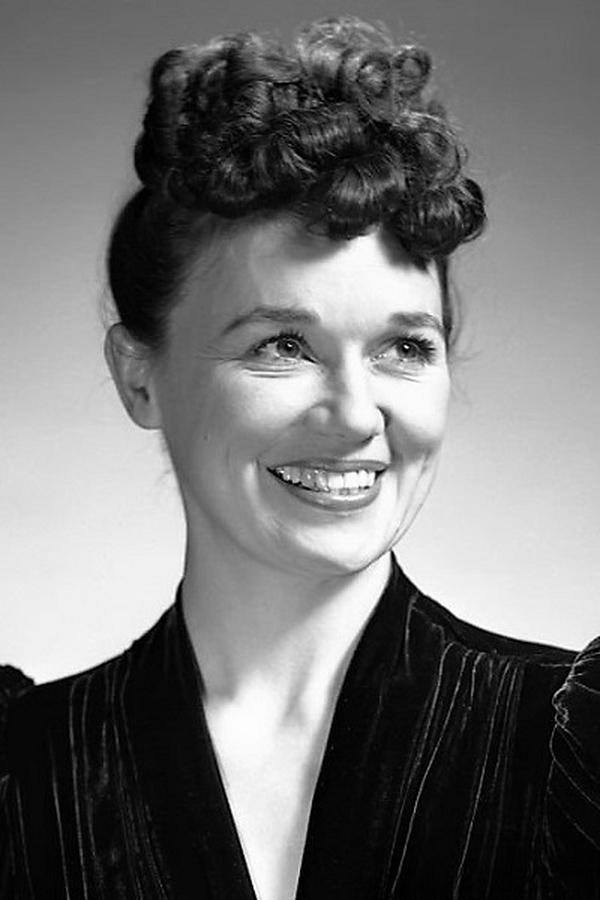
Jeanette Nolan
Nora Ericson
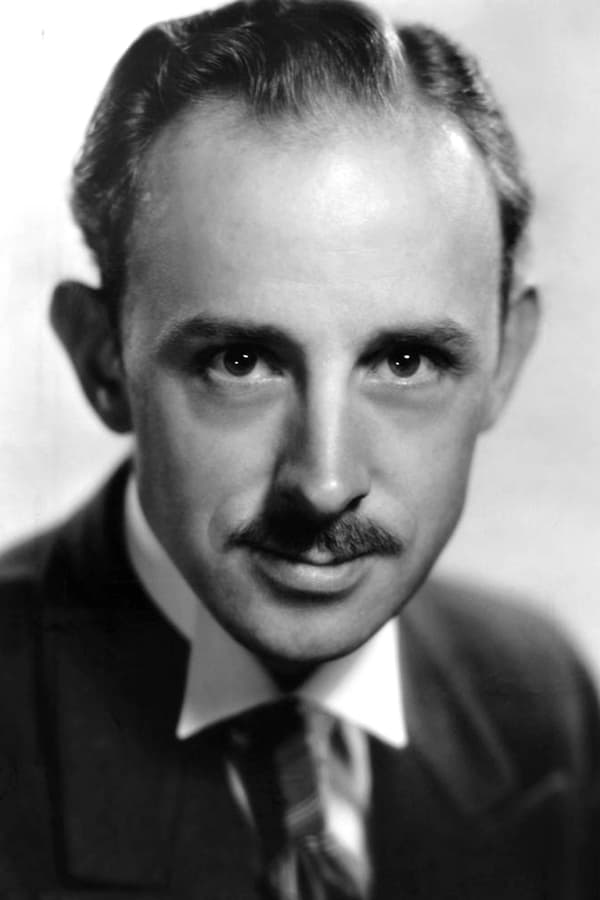
John Qualen
Peter Ericson
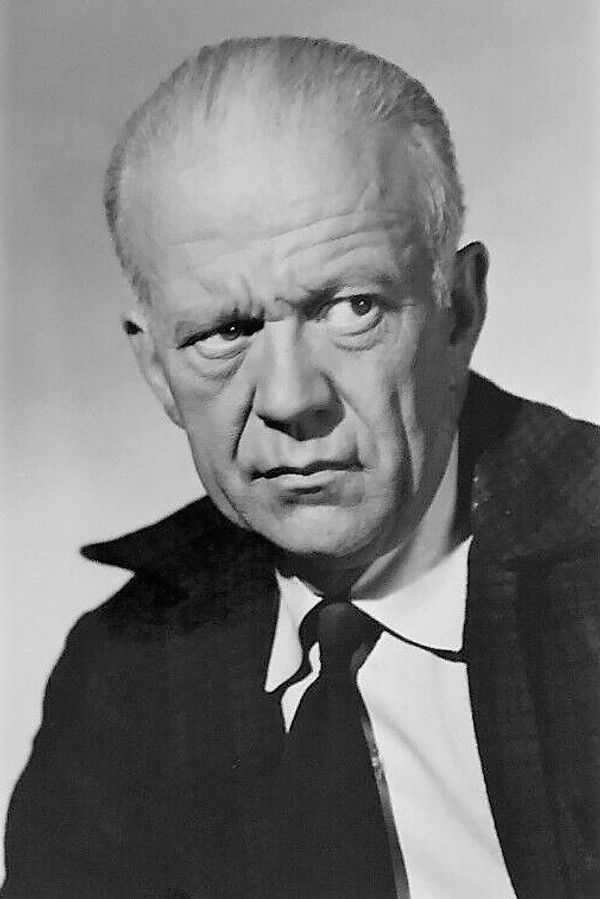
Willis Bouchey
Jason Tully
This Halloween movie is a remake of the 2003 movie of the same name with Black representation.
In all honesty, “Black and Blue” is a satisfying experience, complete with solid craftsmanship. With the help of cinematographer Dante Spinotti, Deon Taylor (the director) creates a murky, lived in atmosphere.
This fantasy musical movie is an origin story about the title character.
"Peter Pan & Wendy" is a diverse fantasy brought to life and an adventure for all ages.
This Nickelodeon live-action TV series features strong Black representation.
Throughout Brendan Fraser’s career, he has played a plethora of unique, layered characters who explore the importance of not being afraid to display your emotions, something that is often seen to not be a masculine trait. This idea of regulating emotion and what traits men are able to possess creates a toxic atmosphere for men who are often told they should not cry or represent their emotions in any physical way. These characters represent that men can be joyful, emotionally conscious, and sensitive, while also representing their masculine identity instead of painting those qualities as fighting against their masculinity.