
'The Suicide Squad' Is Gory, Gratuitous, but Great
'The Suicide Squad' is at its best when it focuses on its characters and commentary on real-life issues, but stumbles when it relies too heavily on gratuitous gore and insensitive humor.
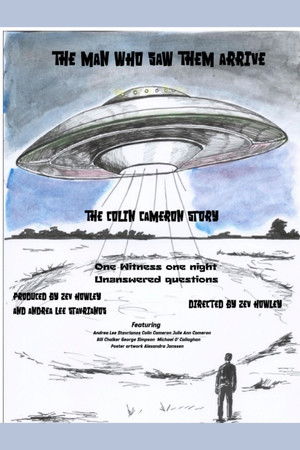


In January 1968, the quiet life of Melbourne resident Colin Cameron was shattered following a mysterious encounter on Kew Boulevard. Obsessed with uncovering the truth, Colin documented strange phenomena and shared his experiences with those closest to him as the events grew increasingly intense and dangerous. Told through the eyes of those honouring a promise to share his story, THE MAN WHO SAW THEM ARRIVE recounts Colin’s journey, presents first-hand accounts of Australia’s most famous UFO sightings—including Westall 1966—and provides insights from leading UFO researchers. A haunting exploration of mystery, memory, and unanswered questions hidden in Melbourne’s backstreets.
'The Suicide Squad' is at its best when it focuses on its characters and commentary on real-life issues, but stumbles when it relies too heavily on gratuitous gore and insensitive humor.
A successful author’s life is upended when she finds herself on a plantation straight out of the antebellum south.
There is a lot of controversy around Q-force. It’s certainly not hard to see why—the series is quite hyperbolic. I will say, that was the first aspect I noticed on my initial watch. Right from the get-go Q-Force barrages you with gay joke after gay joke. This is hit or miss throughout the series.
Based on a true story, when his beloved dog goes missing, the owner embarks on an incredible search with his parents to find him.
Mona Fastvold’s nineteenth century lesbian romance is emotionally charged, restrained, and poetic without feeling forced.