


"A man has got to see his face." Horror Noire: A History of Black Horror
This documentary moves chronologically through Black representation in horror films, revealing the genre's connections to Black history.
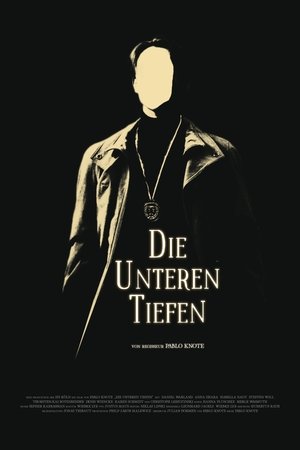


A newcomer to a mental health unit wants to help his fellow patients. But instead of seeking healing through self-recognition, he builds castles in the air and thus becomes a great threat to his fellow sufferers and ultimately to himself.
This documentary moves chronologically through Black representation in horror films, revealing the genre's connections to Black history.
Throughout Brendan Fraser’s career, he has played a plethora of unique, layered characters who explore the importance of not being afraid to display your emotions, something that is often seen to not be a masculine trait. This idea of regulating emotion and what traits men are able to possess creates a toxic atmosphere for men who are often told they should not cry or represent their emotions in any physical way. These characters represent that men can be joyful, emotionally conscious, and sensitive, while also representing their masculine identity instead of painting those qualities as fighting against their masculinity.
Explore the tension between director intention and viewer interpretation in this review of the excellent sci-fi horror of 'No One Will Save You.'
“The most disrespected person in America is the Black Woman/the most unprotected person in America is the Black Woman,” Director Spivey Jr quotes. The quotes are absolutely true. Misogynoir is a devastating social ill that is not given the weight it is due.
Telling a story about the French and Indian Wars from the perspective of the British prioritizes the perspective of the colonizers.