

'Blue Beetle': Family over Fanfare
'Blue Beetle' is another solid addition to the superhero film canon.
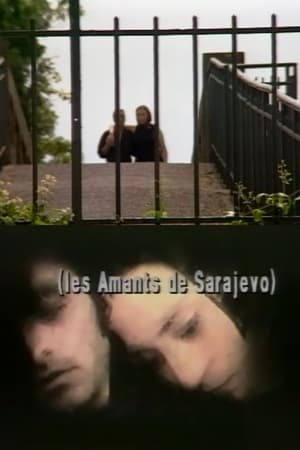


Deeply moved by the Bosnian tragedy and, more specifically, by the nightmare that the inhabitants of Sarajevo have been living for two years, the filmmaker Marcel Hanoun, like other great creators (from Susan Sontag to Juan Goytisolo), wanted to give testimony. He has made a superb film-poem in homage to this young Bosnian couple (belonging to two enemy communities) that was killed by an anonymous sniper on Liberty Bridge, in the summer of 1993, as they were trying to flee from the besieged city. ("Le Monde Diplomatique", 1994)
'Blue Beetle' is another solid addition to the superhero film canon.
I imagine that it would be a dream job for an actor to play the parts of twin brothers Dominick and Thomas Birdsey in I Know This Much Is True.
Slytherin is painted negatively for the traits the members of this house embody. Although Slytherin students are ambitious, cunning, and determined, they are more.
Juno is extremely funny, very well-written, and contains great performances. The film is also about a very important topic, one that is extremely relevant now: women’s reproductive rights. Is this Oscar-winning film spreading a pro-life or pro-choice message to its audience?
Sorry to Bother You ultimately speaks to the unfair advantages that the country’s power structures award to those with the resources to control others, as Lift’s easy access to the media allows his opinion to be the only one that matters in the eyes of the unsuspecting and easily impressed public. Moreover, it reveals the extent to which the American Dream has any true validity. It postulates how the promise of success and fulfillment as promoted by the American Dream more often than not leads to the undoing of the individual. Interestingly, in its revealing of the American Dream as merely a facade, Sorry to Bother You wisely questions whether or not anything can really be done to undo a system that has been accepted and in action for centuries.
"Driveways" is a nuanced portrait of an Asian American family, touching on themes of loss, growth, and belonging.